
The Hardangerfjord region is also known as "the kingdom of waterfalls," and it is not without reason. In Hardanger, you will find several of the most spectacular waterfalls Norway has to offer.
For us Norwegians, it is easy to see us blind to our beautiful nature. The steep mountains, long fjords, and rushing waterfalls are something we all really appreciate. Still, it is also something we see "every day." And what is normal for us, tourists come from all over the world to experience Hardanger. Because just as there is a difference between people, there is a big difference between the waterfalls. If you really take the time to stop and experience a waterfall, it is hard not to be enchanted by the sight and forces at work.

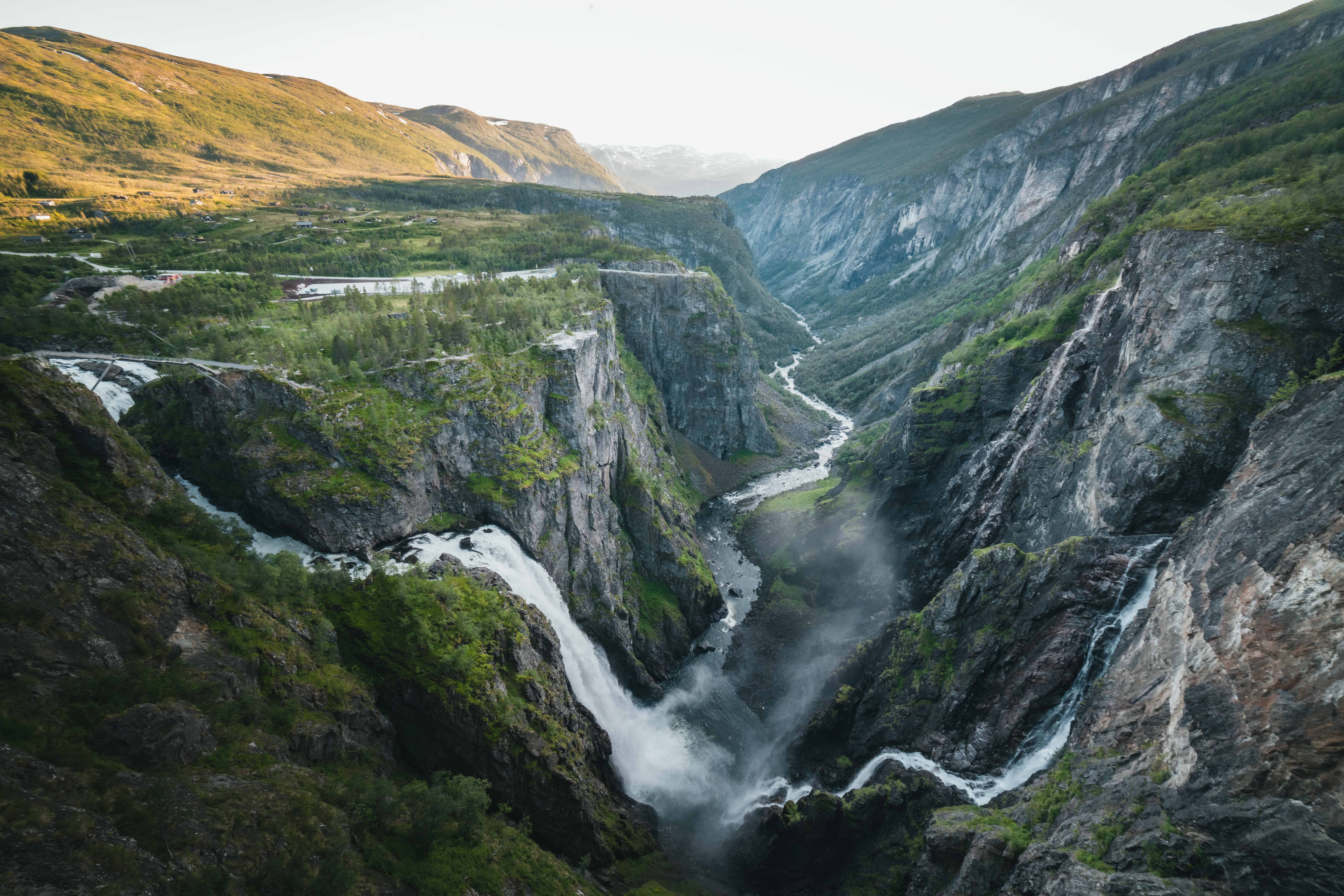
Experience the Vøringsfossen waterfall - the most famous waterfall in Norway!
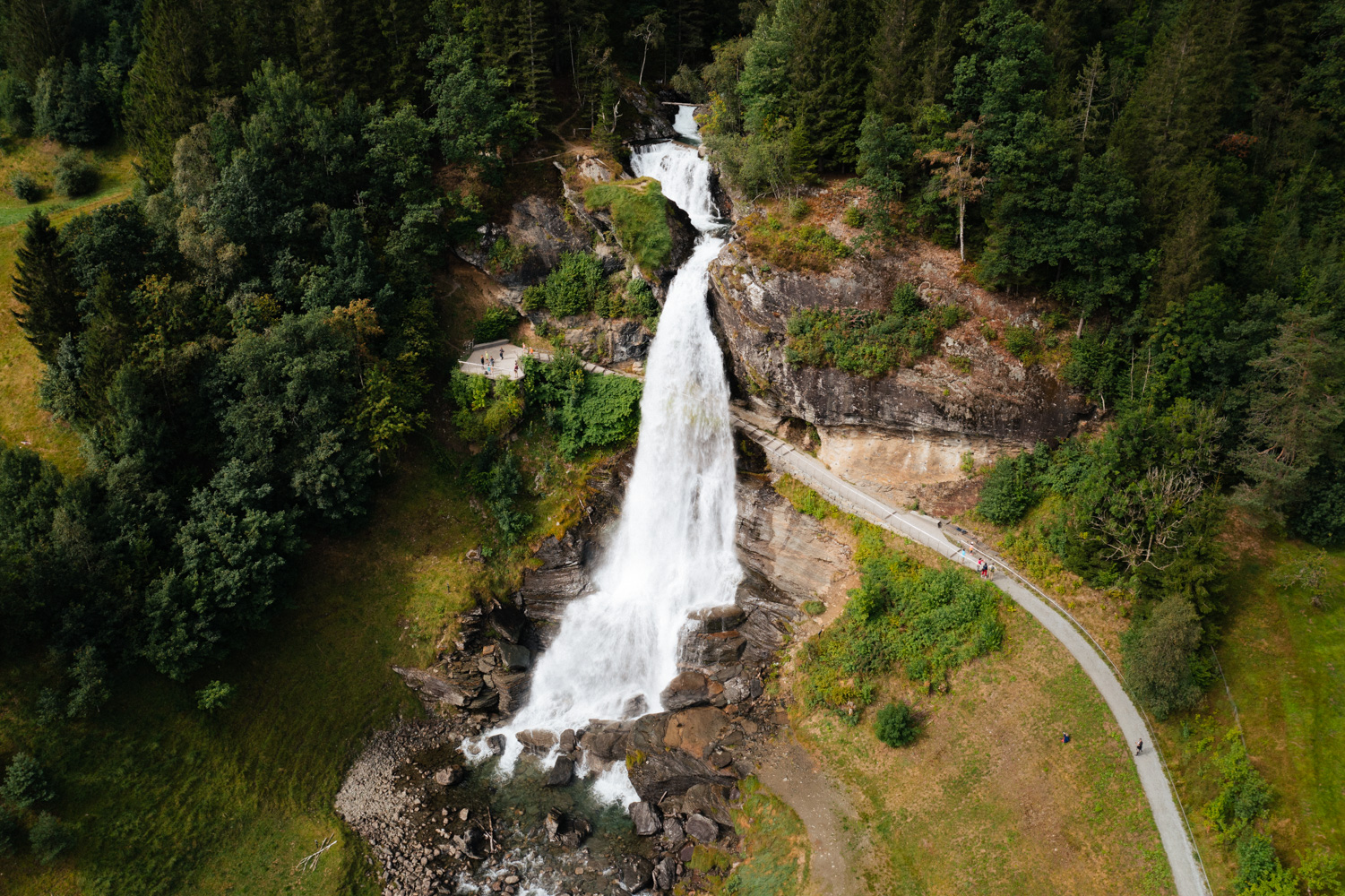
Walk safe and dry behind one of Norway's most popular waterfalls. Steinsdalsfossen near Norheimsund, is easily accessible right next to the road.
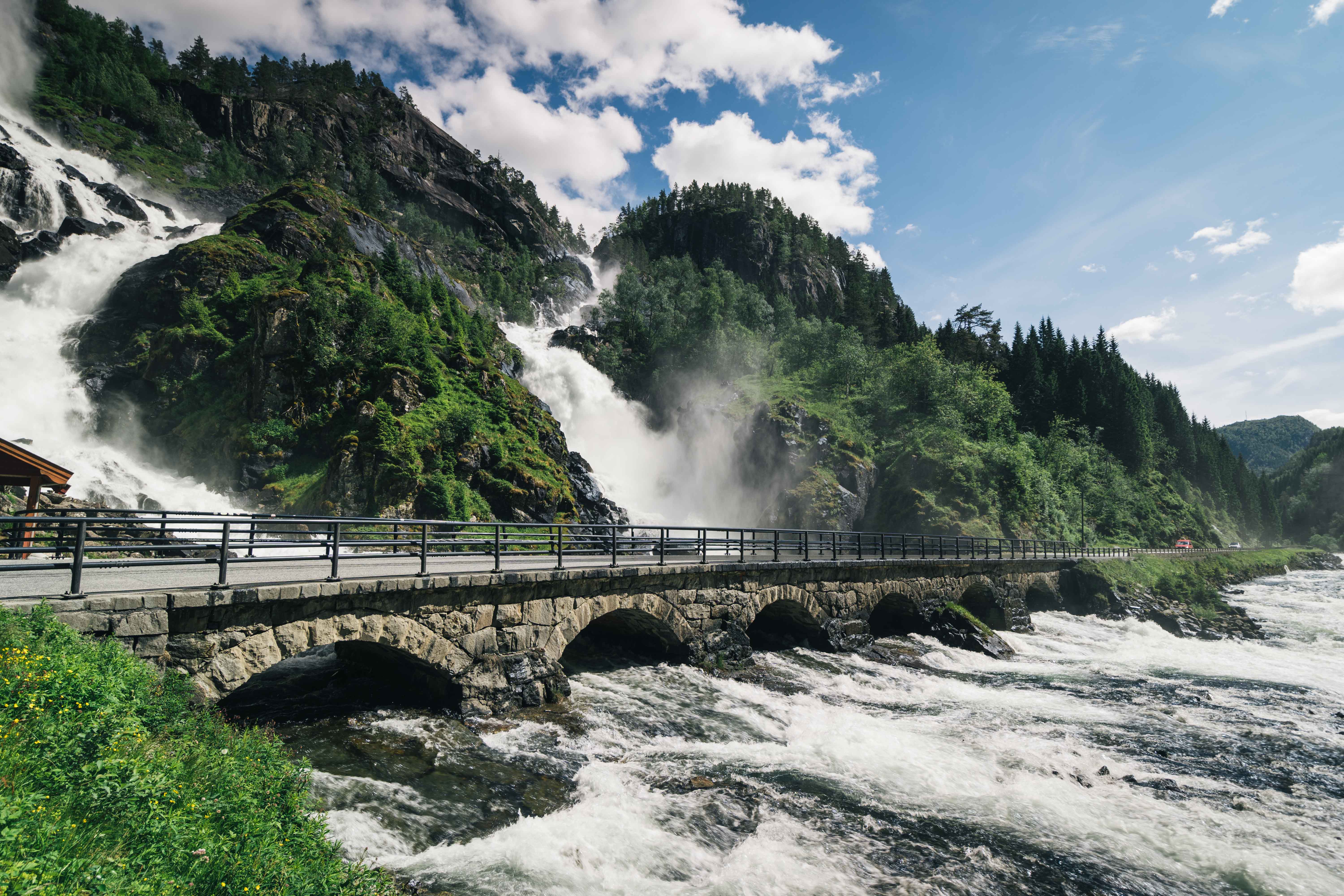
Experience the spectacular twin waterfall Låtefossen, located in the Odda Valley, with a total drop of about 165 meters. The waterfall lies right next to National Road 13 between Odda and Røldal. It takes around 15 minut...
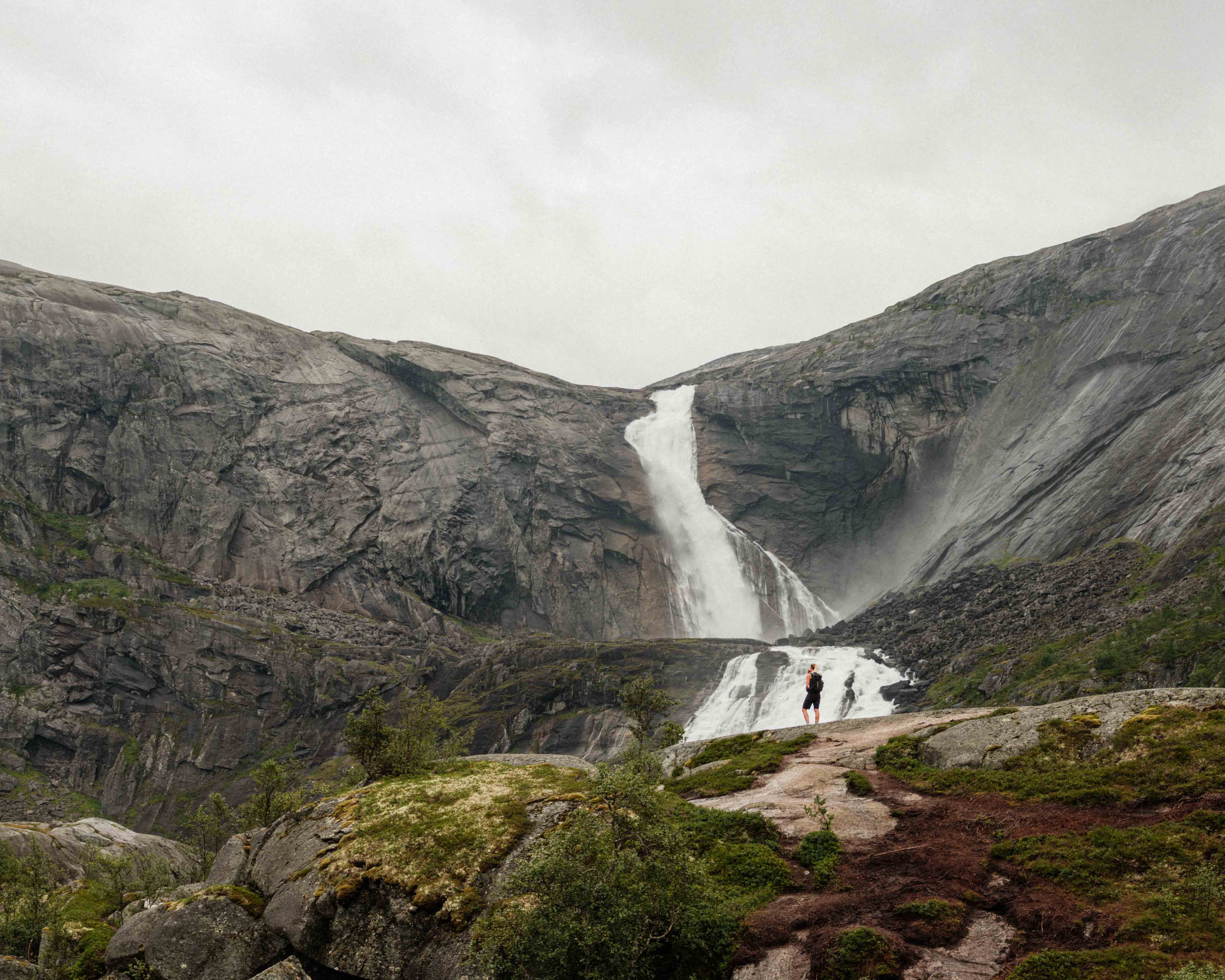
Discover the majestic Husedalen waterfalls on a 3-6 hour hike from Kinsarvik to Hardangervidda. The well-marked trail offers spectacular nature and varied routes.
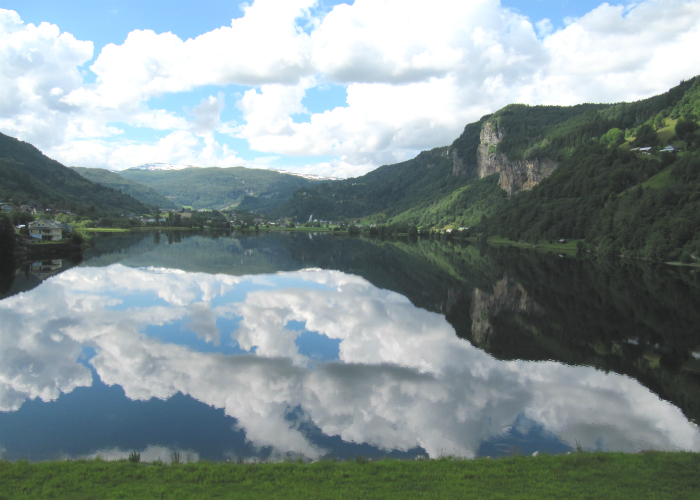
Starting point: Steinsdalsfossen waterfall About the trail: From the shops at Steinsdalsfossen waterfall, walk 60 meters towards Rosseland, and turn right following the road signposted "Fjærabygda". Follow the ...
Most waterfalls are easily accessible by car and are located along Norwegian Scenic Route Hardanger and Norwegian Scenic Route Hardangervidda. Steinsdalsfossen and Vøringsfossen are good examples. The first is truly spectacular, as you can walk safe and dry under the waterfall itself and experience the forces of nature up close. You cannot do that at Vøringsfossen, but that does not make it any less spectacular. They have a step-bridge that goes over the waterfall, which has a fall of 182 meters!
Experience the spectacular twin waterfall Låtefossen, located in the Odda Valley, with a total drop of about 165 meters. The waterfall lies right next to National Road 13 between Odda and Røldal. It takes around 15 minut...
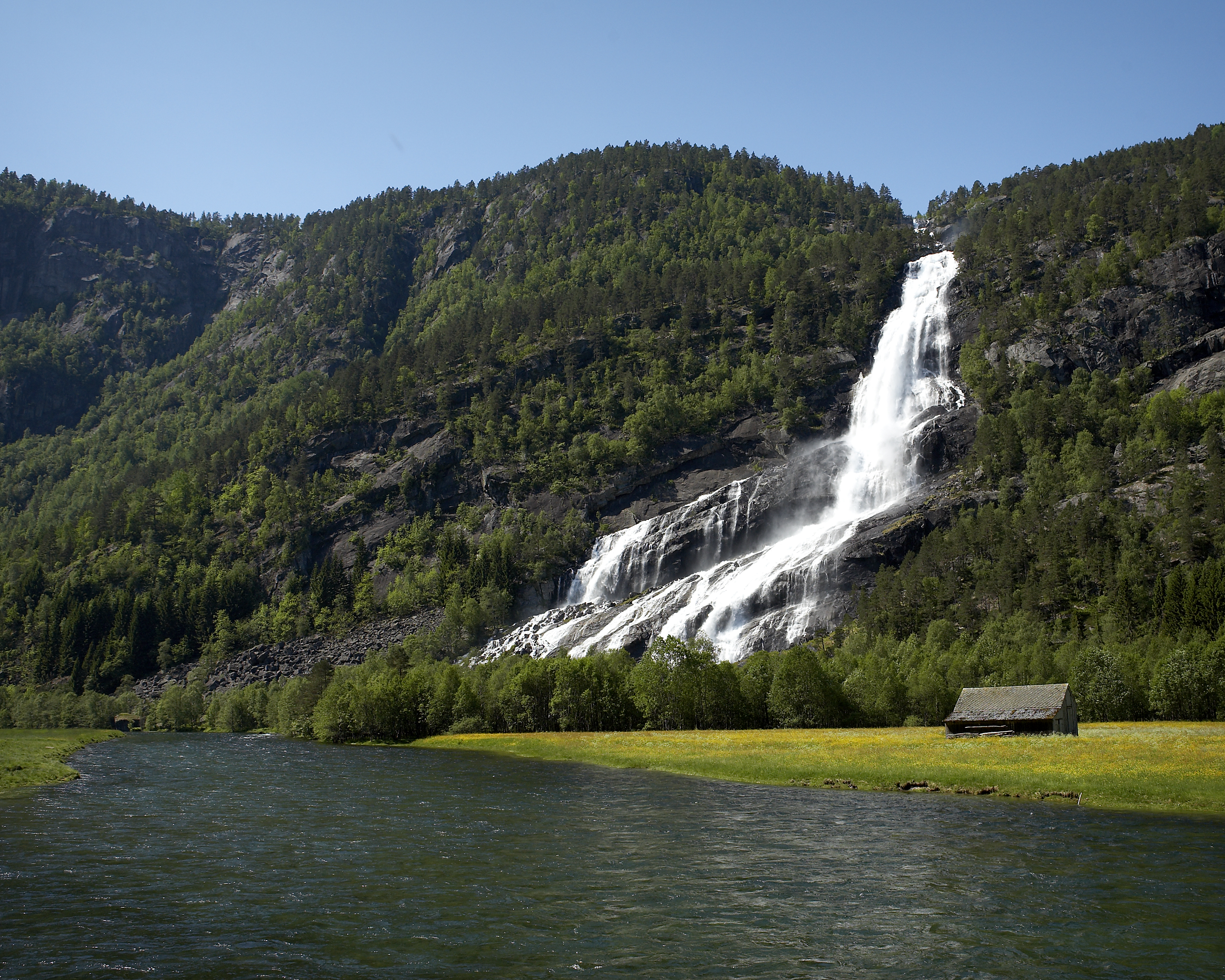
Explore Oddadalen along RV 13, a pristine landscape dotted with waterfalls like Tjørnadalsfoss, Strandfoss, Vidfoss, Espelandsfoss, and the famous twin waterfall, Låtefoss. Ideal for nature enthusiasts, with convenient r...
Walk safe and dry behind one of Norway's most popular waterfalls. Steinsdalsfossen near Norheimsund, is easily accessible right next to the road.
Experience the Vøringsfossen waterfall - the most famous waterfall in Norway!
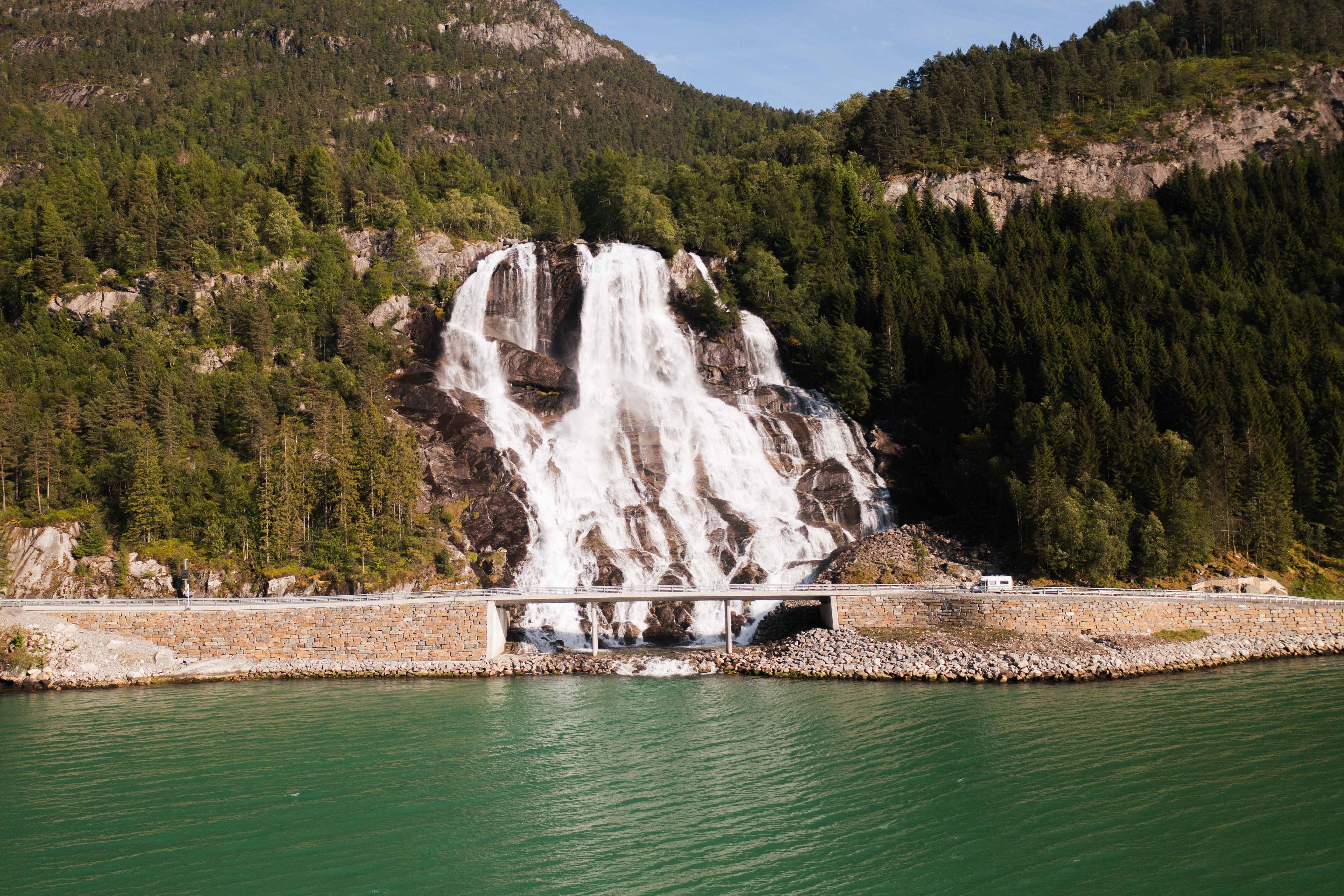
The Furebergfossen waterfall is situated along route 551 between Årsnes and Sunndal. The waterfall flows under the road and directly into the Maurangerfjord, and arm of the Hardangerfjord. The waterfall follows the st...

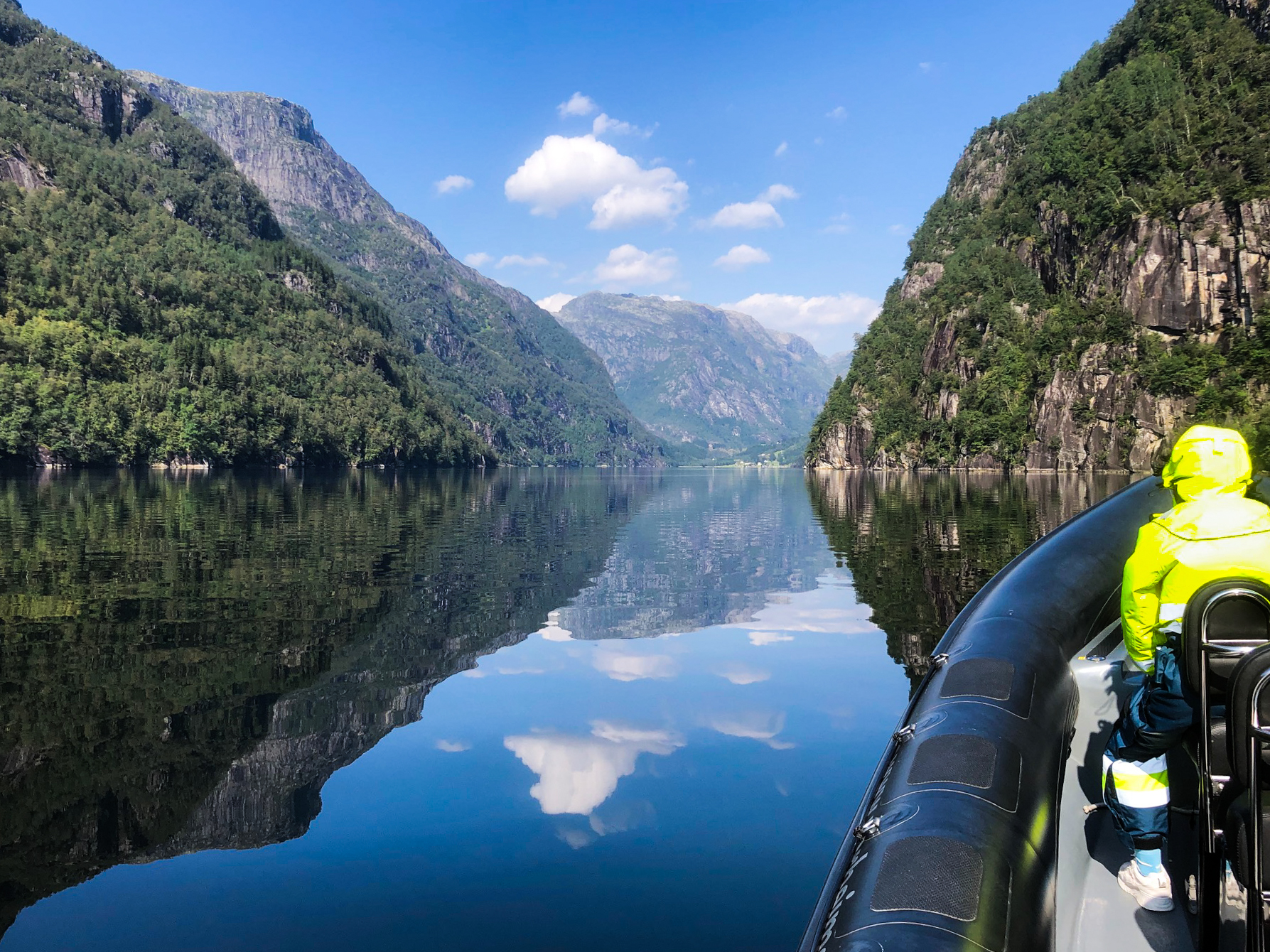
Get close contact with the Hardangerfjord, rumbling waterfalls and steep mountainsides with Norheimsund RIB Seafari. Several daily departures in season from Norheimsund, Hardanger.
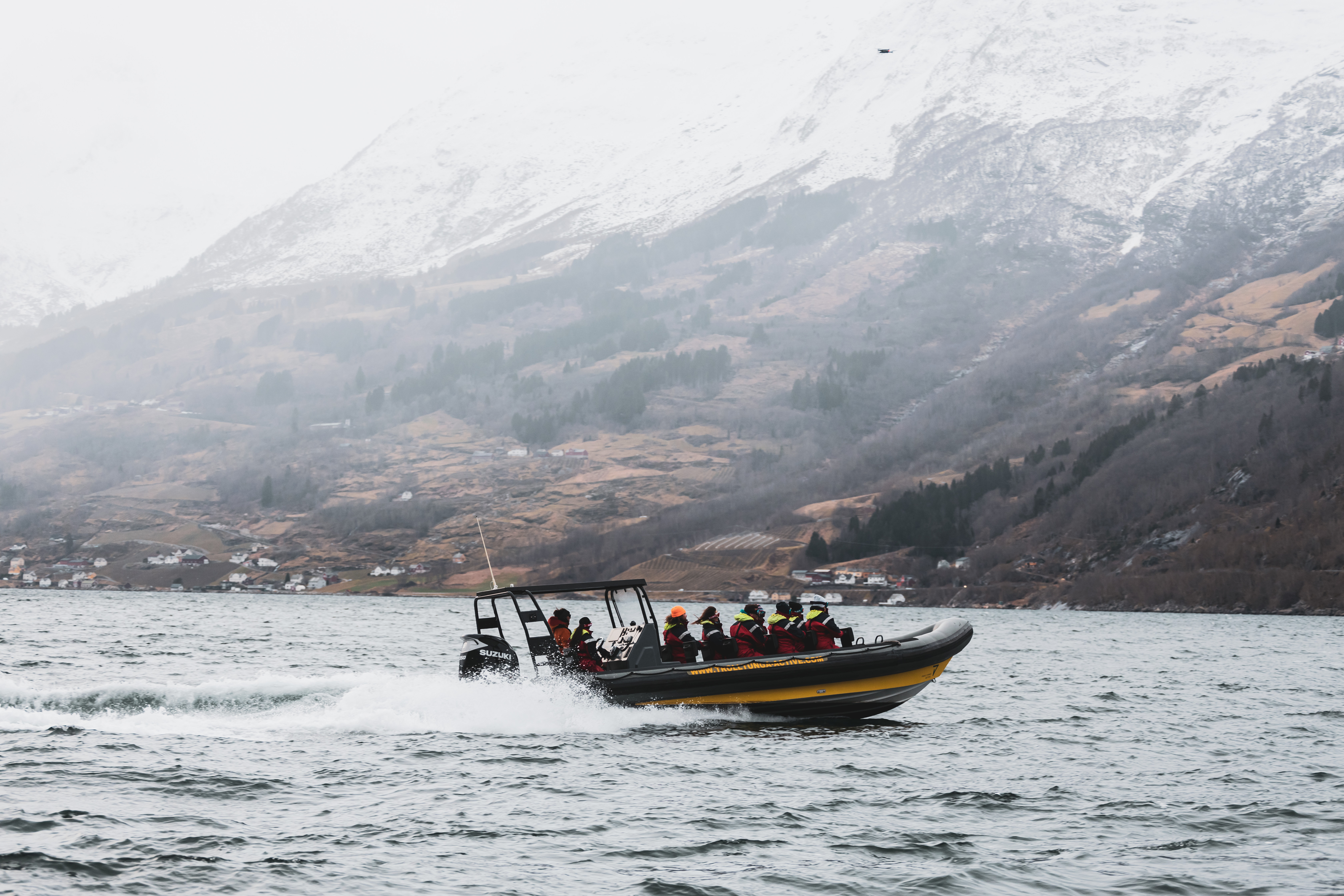
Experience the Hardangerfjord together with experienced guides from Trolltunga Active - a fast-paced and rewarding RIB tour with fjords, mountains, local history, and magnificent nature.
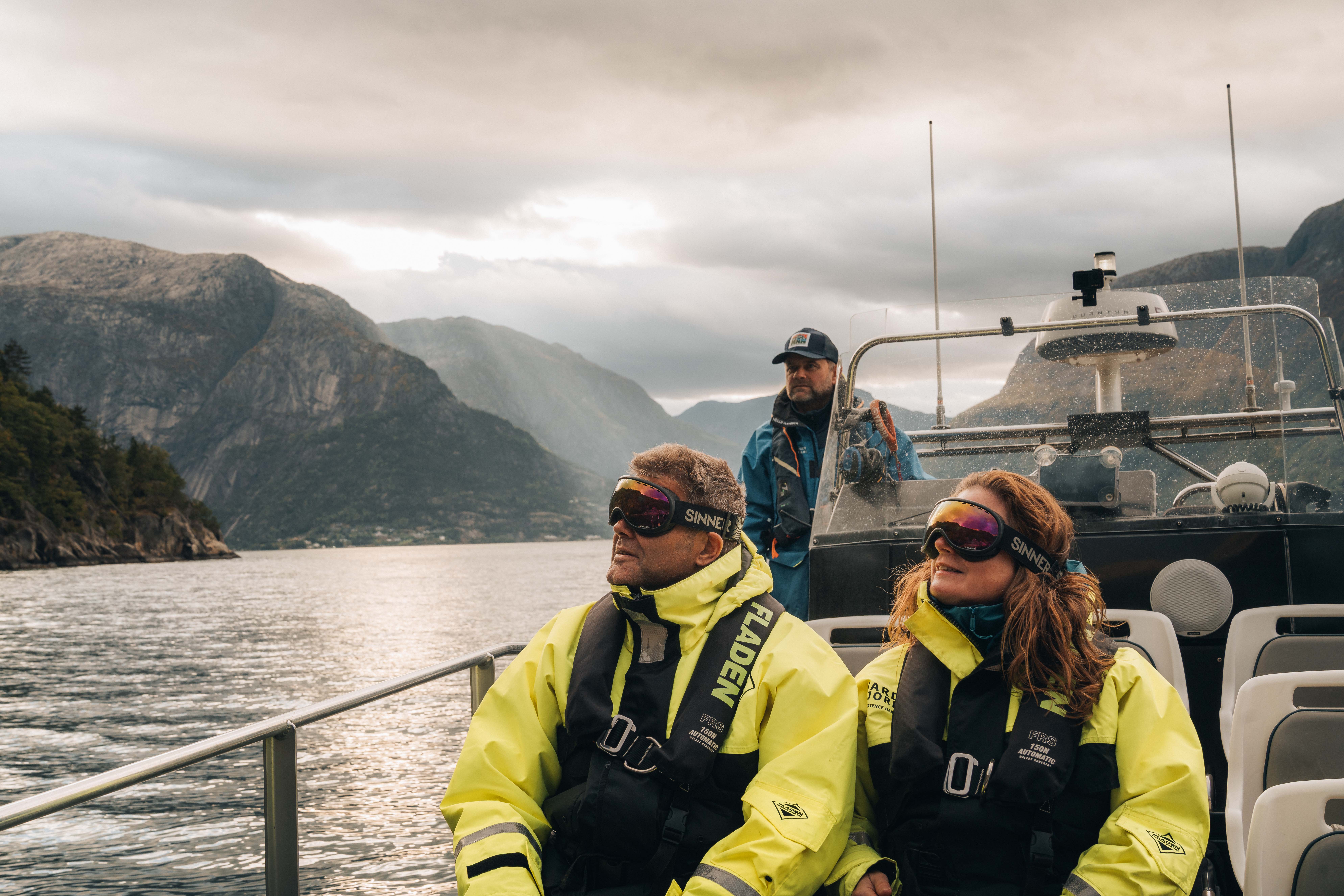
Hardanger Fjordsafari offers 30-minute RIB boat tours for groups of 15-24 people.
Hardanger has some of Norway’s most visited waterfalls, spread across the region within 1–2.5 hours’ drive from Bergen. Steinsdalsfossen near Norheimsund is the closest, about 1 hour from Bergen along the main road. Vøringsfossen near Eidfjord is roughly 2 hours away and is Norway’s most famous waterfall, with a total drop of 182 metres. Låtefoss in Oddadalen is about 2 hours from Bergen via Odda. The four waterfalls of Husedalen valley above Kinsarvik are around 1.5 hours away. Most are located along the Norwegian Scenic Routes Hardanger and Hardangervidda, making them easy to combine on a road trip through the region.
Vøringsfossen near Eidfjord is Norway's most famous waterfall, with a total drop of 182 metres from the Hardangervidda plateau into the Måbødalen gorge. Take Road 7 east through the Hardanger region — the turn-off for Fossli Hotel and the viewpoints is signposted from Road 7. A footbridge crosses the river just above the falls, and a trail leads down to Fossatromma, where a new car park with toilets and EV charging opened in September 2024. The car park and facilities are open approximately 1 April–31 October (subject to snow). Viewpoints, the bridge, and parts of the trail are closed in winter. Note that Vøringsfossen is partially regulated by the Sima hydropower plant, which can affect water flow at certain times.
Yes — at Steinsdalsfossen near Norheimsund, a paved path takes you safely behind the 50-metre waterfall without getting wet. Entry is free, the site is open year-round, and the path is partly accessible to wheelchair users. It is one of the most visited waterfalls in Norway, and a natural first stop if you are arriving from Bergen.
The Husedalen valley above Kinsarvik leads past four waterfalls in succession — Tveitafossen, Nyastølsfossen, Nykkjesøyfossen and Søtefossen — on a well-marked trail up towards the Hardangervidda plateau. The trail is 5 km one way with 700 metres of elevation gain, rated red (demanding), with sections that are steep and slippery when wet. A full return trip to the top waterfall takes 5–6 hours. It is not a beginner hike, but you can turn back after the first two waterfalls for a shorter, less strenuous outing of around 3 hours. The season runs roughly May through October, parking at the trailhead is free, and Shuttlebus Hardanger offers transport to and from the start. Find details at hardangerfjord.com.
Låtefoss in Oddadalen is a twin waterfall — two parallel streams plunging 165 metres down the same mountainside, converging beneath a stone-arch bridge built in 1859. It sits directly beside Road 13, about 15 minutes from Odda, is free to visit and open year-round. The car park is small and can fill up on busy summer days. A historic cobblestone path south of the bridge leads up to a viewpoint above the falls. Låtefoss lies in Fossanes valley, a stretch of Road 13 lined with several additional waterfalls — making the whole valley worth driving slowly through.
Steinsdalsfossen, Vøringsfossen and Låtefoss are all accessible without a hike — you park and walk a short, flat distance to the viewpoints. Furebergsfossen in Mauranger is even more immediate: the road runs directly past the base of the waterfall. If you want waterfalls with minimal effort, these four make a good driving route through the region.
Late April through early July is when the waterfalls are at their most powerful, fed by snowmelt from the Hardangervidda plateau and the surrounding mountains. May is particularly impressive — the air fills with roaring sound and mist, and cascades appear on almost every mountainside. Water levels drop somewhat in August, and autumn brings fresh surges after rainfall. Steinsdalsfossen and Låtefoss are open and accessible year-round.
Yes. From the water you reach waterfalls that are inaccessible from land, particularly inside Fyksesund — a narrow, roadless branch of the Hardangerfjord east of Norheimsund where cascades fall directly into the fjord from both sides. Several operators run RIB safaris into Fyksesund. You can find an overview of fjord experiences in Hardanger on hardangerfjord.com.
Several of the waterfalls are well suited to families and visitors with reduced mobility. Steinsdalsfossen has a flat, paved path and is partly accessible to wheelchair users. The viewpoint at Fossatromma by Vøringsfossen is accessible with pushchairs and wheelchairs, with toilets and EV charging on site. Låtefoss and Furebergsfossen are both right beside the road. The Husedalen hike is rated demanding and is better suited to children already comfortable with mountain trails.

