Vøringsfossen waterfall
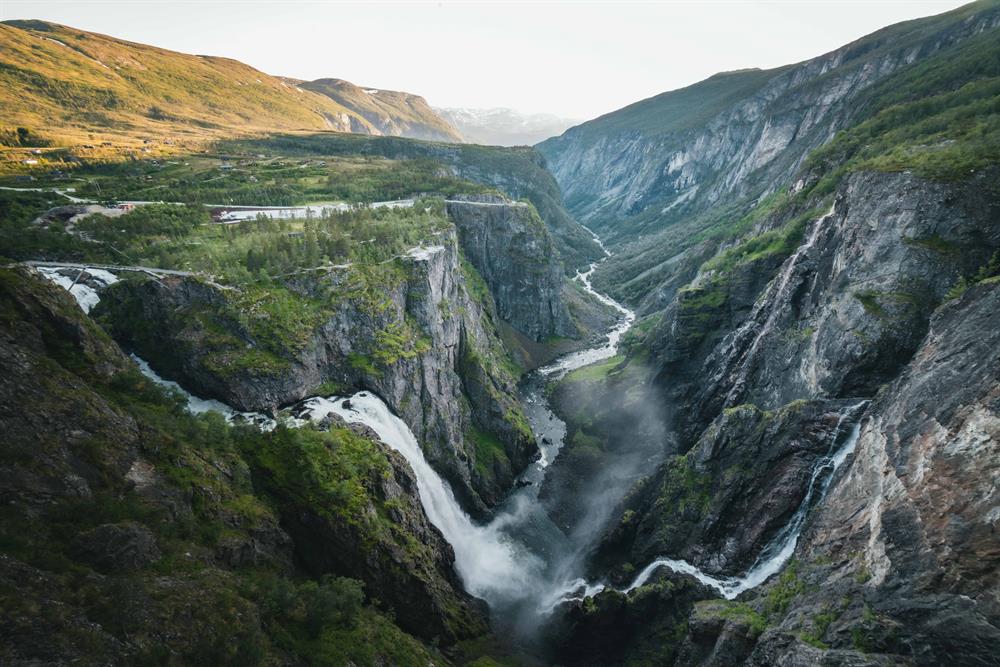
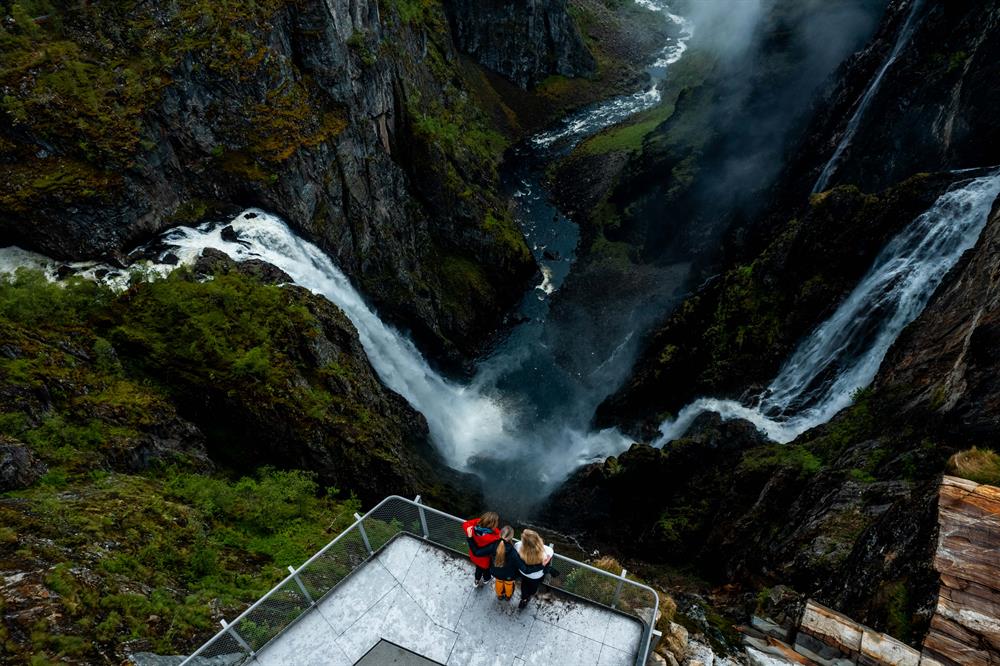
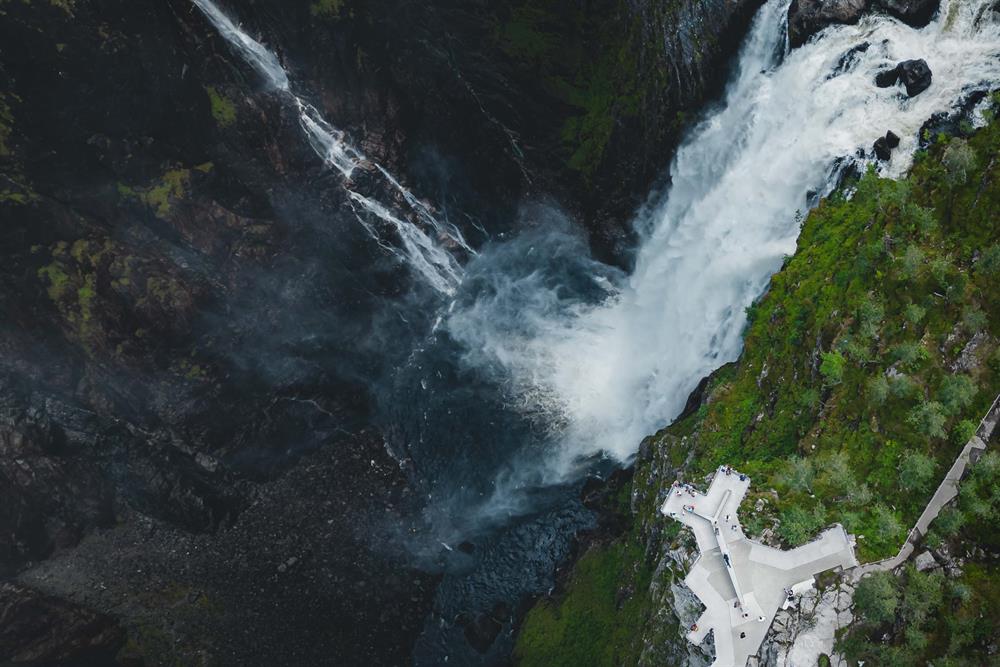
Experience the Vøringsfossen waterfall - the most famous waterfall in Norway!
Booking
About
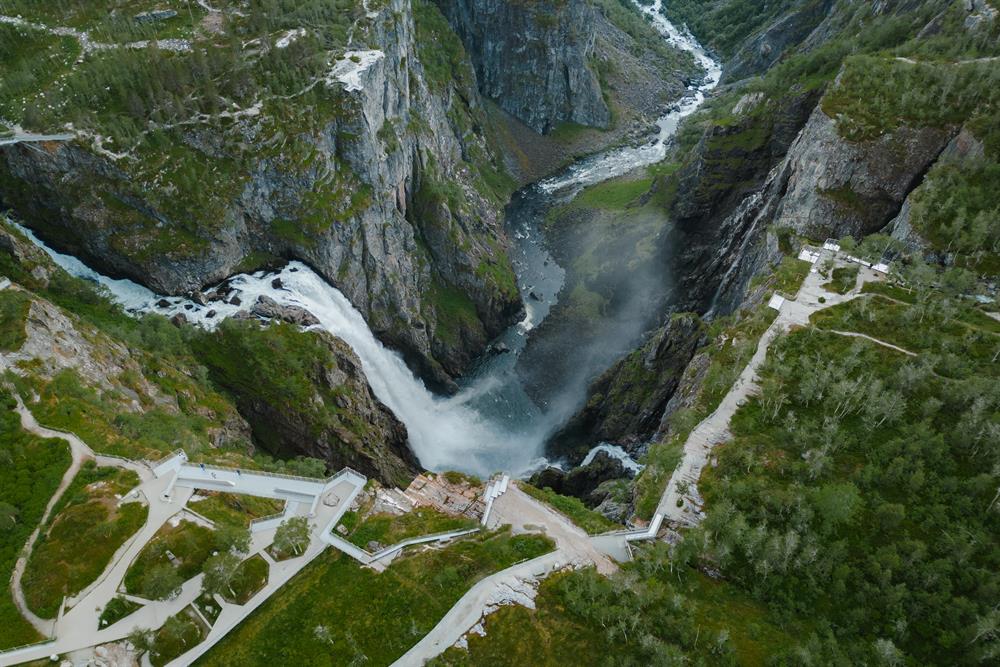
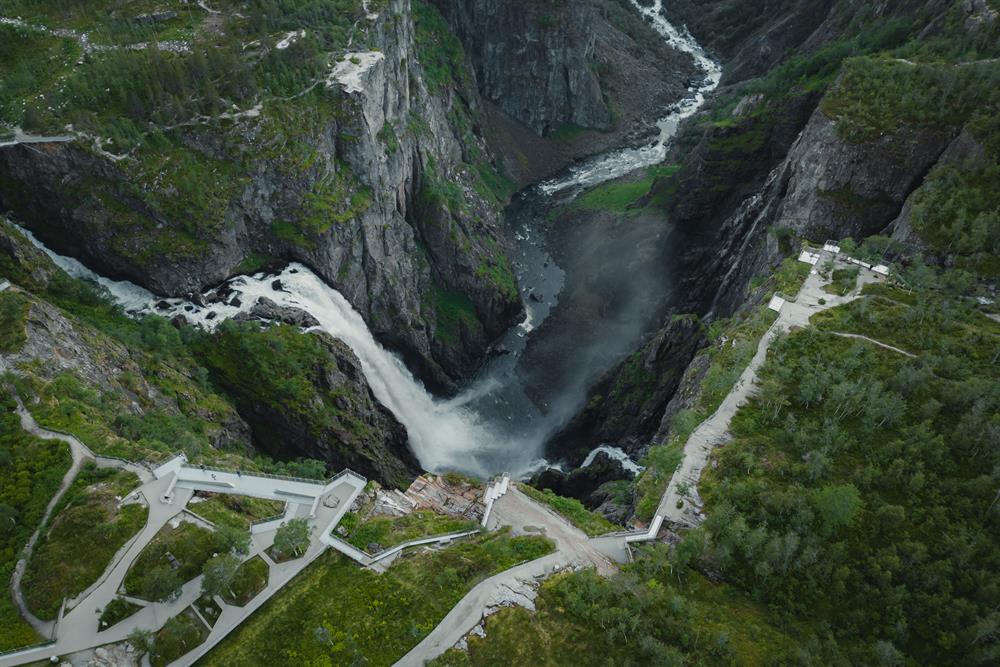
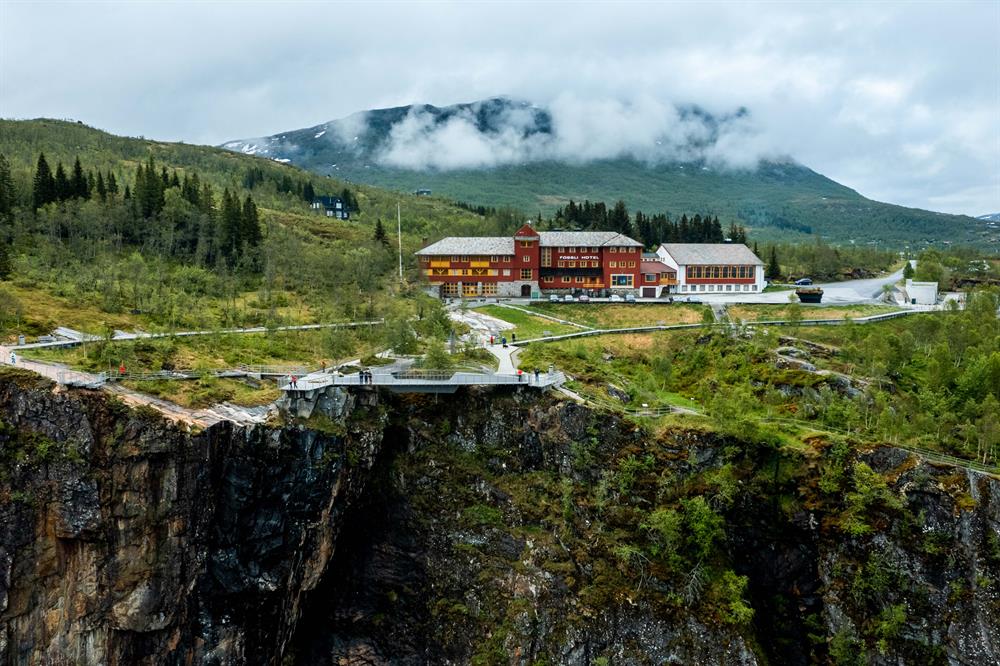
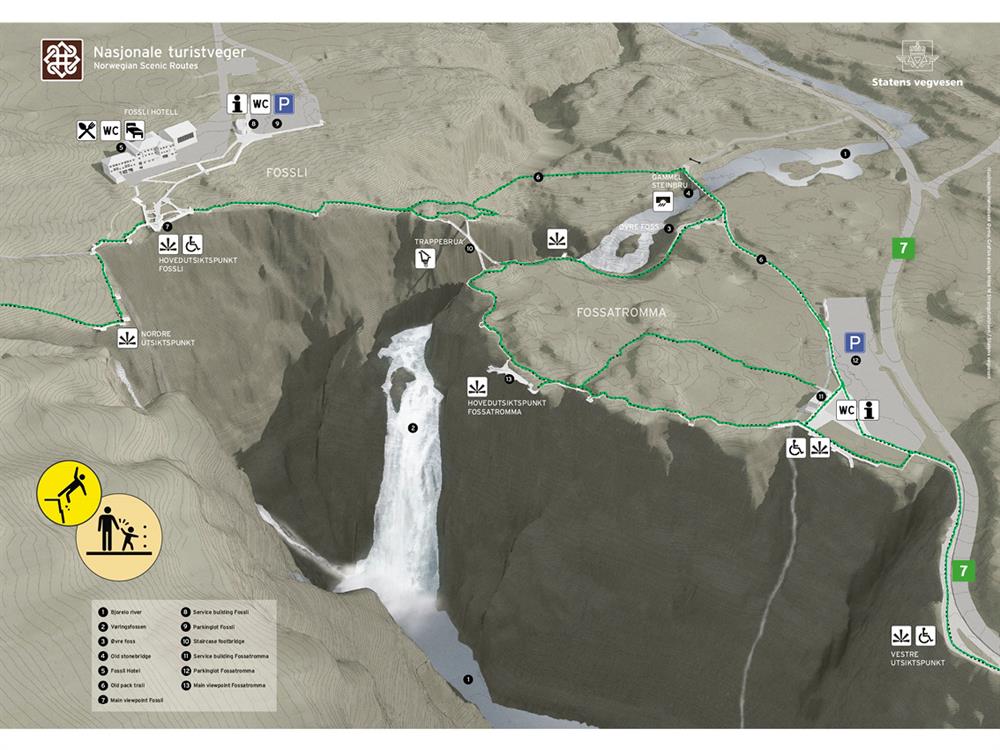
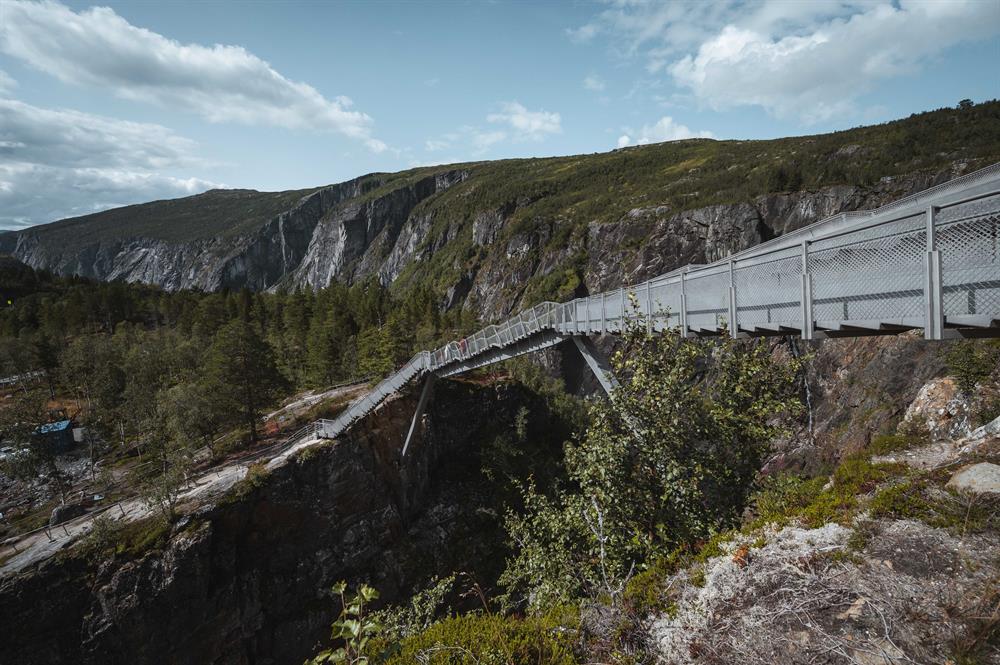
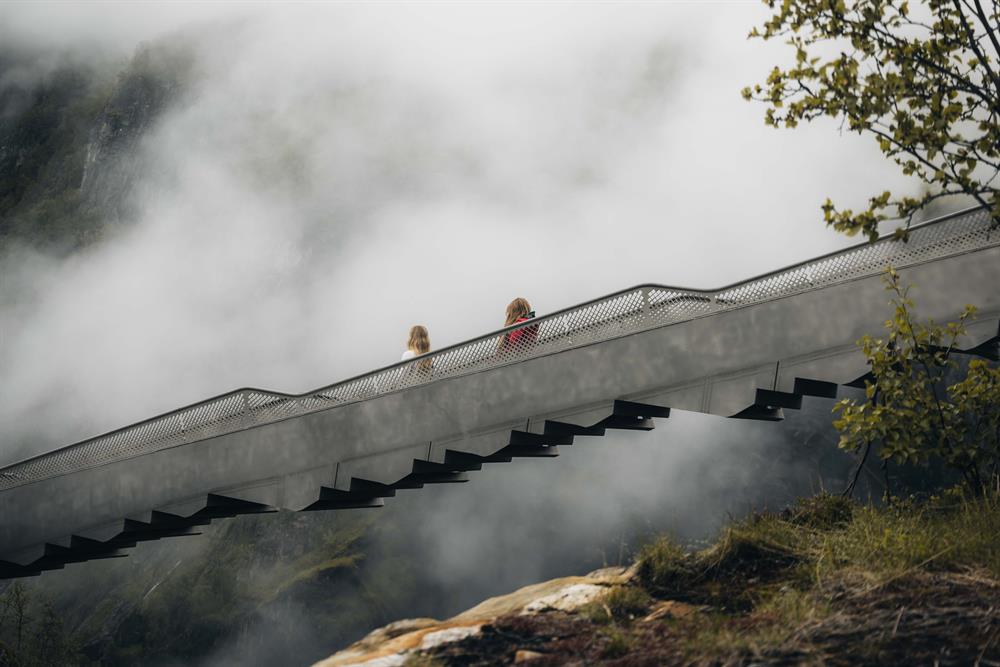
From the spectacular viewing platforms near the Fossli Hotel, to the step bridge crossing the river over the waterfall and to the new viewing platforms and walking path all the way down to Fossatromma, you can watch large amounts of water tumble down into the Måbødalen valley.
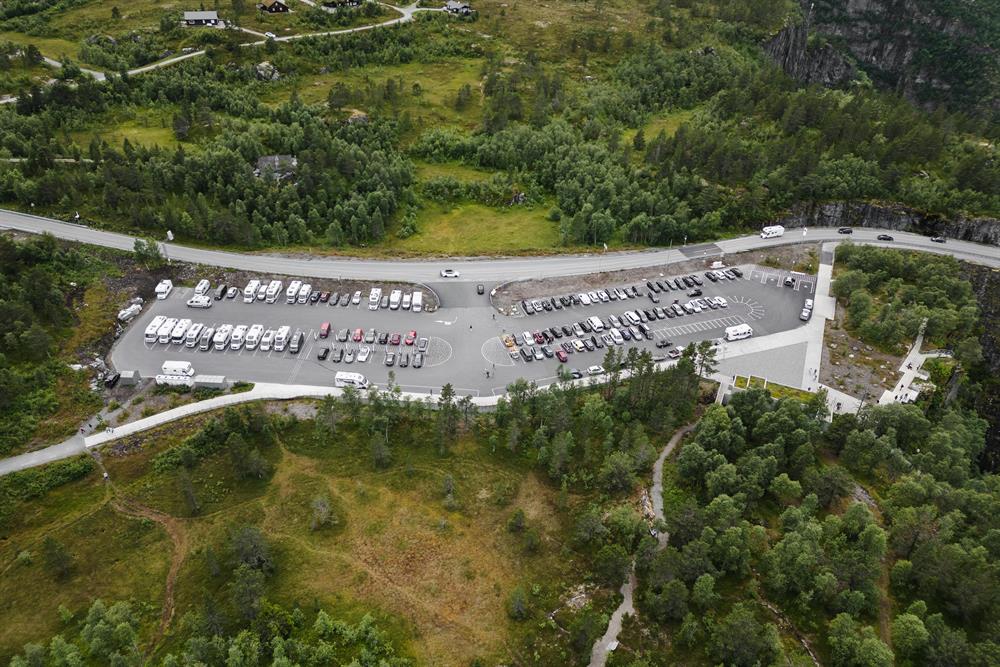
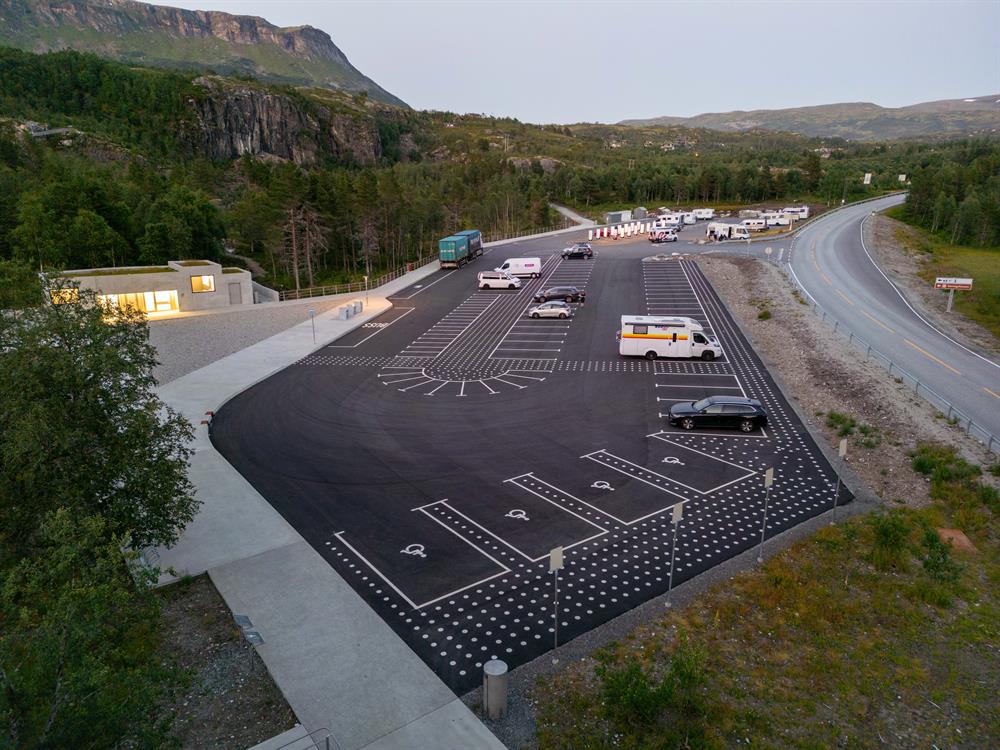
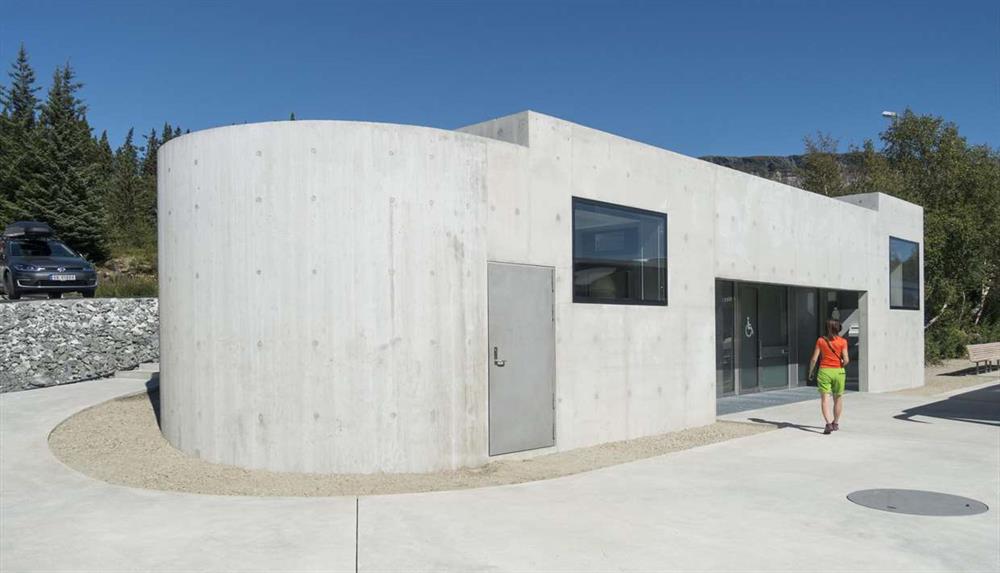
The best-known waterfall in Norway. See vast quantities of water plunge 182 m from the Hardangervidda plateau into the Måbødalen valley. Spectacular viewing platforms near Fossli Hotel 1 km from route 7 Norwegian Scenic Route Hardangervidda. The National Tourist Routes started the construction at Vøringsfossen waterfall in the autumn of 2015, and everything, including the parking lot at Fossatromma (right next to Route 7) with toilets and charging stations, was completed in September 2024.
The waterfall is partially or entirely frozen during winter. When large amounts of snow, it is not safe to go to the viewpoints at Fossli Hotel. This because the safety fences can be entirely covered by snow.
Season:
Be aware of that Vøringsfossen waterfall is located in the mountains, 700 masl. During spring and autumn make sure to wear warm and weatherproof clothing and shoes, as there might be snow and harsh weather conditions by the waterfall. Parking and toilet facilities at Fossli and Fossatromma are available from 01.04. – 31.10 - subject to small / normal amounts of snow, might open later and /or close earlier due to snow, ice and weather conditions. When traveling at the viewing points, please pay attention to weather and conditions. The viewpoint, the step bridge, and parts of the trail system are closed during the winter.
FAQ
It's about 2.5–3 hours' drive from Bergen (roughly 150 km), so a day trip by car is possible — but you'll experience far more of the region by basing yourself in Hardanger. Staying in Eidfjord, just 20 minutes from the falls, lets you treat Vøringsfossen as one stop among many: the Hardangervidda plateau, Kjeåsen viewpoint, fjord cruises and the Norwegian Nature Center are all close by. Within the region you'll find guided sightseeing tours and fjord cruises, and you can rent a car locally.
The waterfall is in the Måbødalen valley in Eidfjord, in the Hardangerfjord region of western Norway, right beside road Rv7 — the Hardangervidda National Scenic Route. From Eidfjord village it is a 20-minute drive (about 18 km) toward Geilo. Without your own car, you can rent one locally from Eidfjord Autorent, or join a guided sightseeing tour or fjord cruise in the region. Public transport to the falls themselves is very limited, so a car or an organised tour is the practical choice.
Vøringsfossen has a total drop of 182 metres, with a main vertical plunge of 145 metres straight into Måbødalen. It is part of the river Bjoreio, which falls from the Hardangervidda plateau — Norway's largest mountain plateau — down toward the Hardangerfjord. That sharp transition from high plateau to deep valley is what makes it one of Norway's most famous and most visited waterfalls.
Very much so. Rv7 over Hardangervidda is one of the two main road routes between Oslo and Bergen, and it is designated the Norwegian Scenic Route Hardangervidda — Vøringsfossen sits directly on it, so the detour is minimal. From Oslo the falls are about 5–6 hours away; from the mountain resort of Geilo, around one hour (73 km). A quick stop at the Fossli or Fossatromma viewpoints takes 30–60 minutes, making it one of the easiest major sights to add to a cross-country drive.
Yes — it sits at the heart of a rich area. Just below the falls is the Norwegian Nature Center in Øvre Eidfjord, while driving on brings you up onto the Hardangervidda plateau itself. The Kjeåsen viewpoint, perched like an eagle's nest high above the Simadalsfjord, is a short detour from Eidfjord, and RIB fjord safaris depart from Eidfjord on the Hardangerfjord.
The falls are visible all year from Rv7, but the facilities are seasonal. Car parks and toilets at Fossli and Fossatromma are normally open from early April to late October/November, weather permitting; the viewing platforms, the stair bridge and parts of the trail close in winter, as the safety railings can be buried in snow. Note too that Rv7 over Hardangervidda can be closed or open only for convoy driving in winter. The water is at its most dramatic during the May–June snowmelt. The falls sit at around 700 metres above sea level, so bring warm, waterproof clothing even in summer.
No. Seeing Vøringsfossen is free and there is no entrance ticket. Parking at both Fossatromma and Fossli is free too, with EV charging at Fossatromma. You only pay for optional extras such as guided tours, or food and lodging at the historic Fossli Hotel, which sits right above the falls.
Vøringsfossen is among the most famous and most visited waterfalls in Norway, prized less for being the tallest than for its dramatic setting and the purpose-built network of platforms, bridges and trails that let you view it from above, alongside and below. Compared with roadside falls like Steinsdalsfossen in Hardanger — where you can walk behind the water — or Låtefossen further south, Vøringsfossen offers the most developed viewing experience and the sheer plateau-to-valley drop.
The flow of the river Bjoreio is regulated in connection with the Sima hydropower plant, so the volume can vary. However, a minimum flow of 12 cubic metres per second is required during the summer season, so there is always water when most visitors come. Flow peaks during the late-spring and early-summer snowmelt.
Allow at least one to two hours to walk the loop between Fossli and Fossatromma and take in the falls from the different viewpoints. Nearby you'll find the historic Fossli Hotel just above the falls, the Norwegian Nature Center in Øvre Eidfjord, and the Kjeåsen viewpoint above the Simadalsfjord. Måbødalen itself — with its 1916 road and stone steps first built in the 1780s — is worth a stop in its own right.
