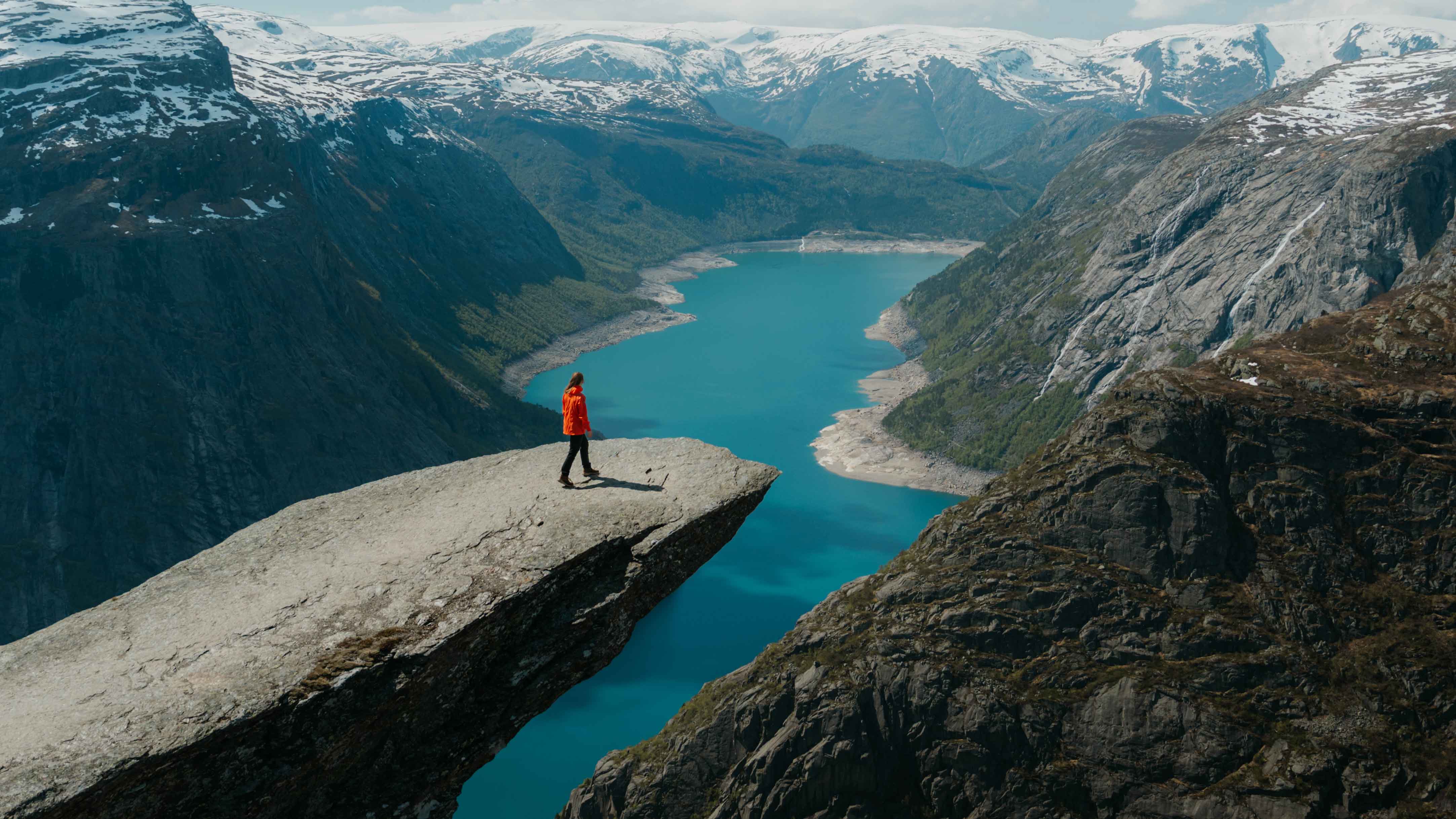
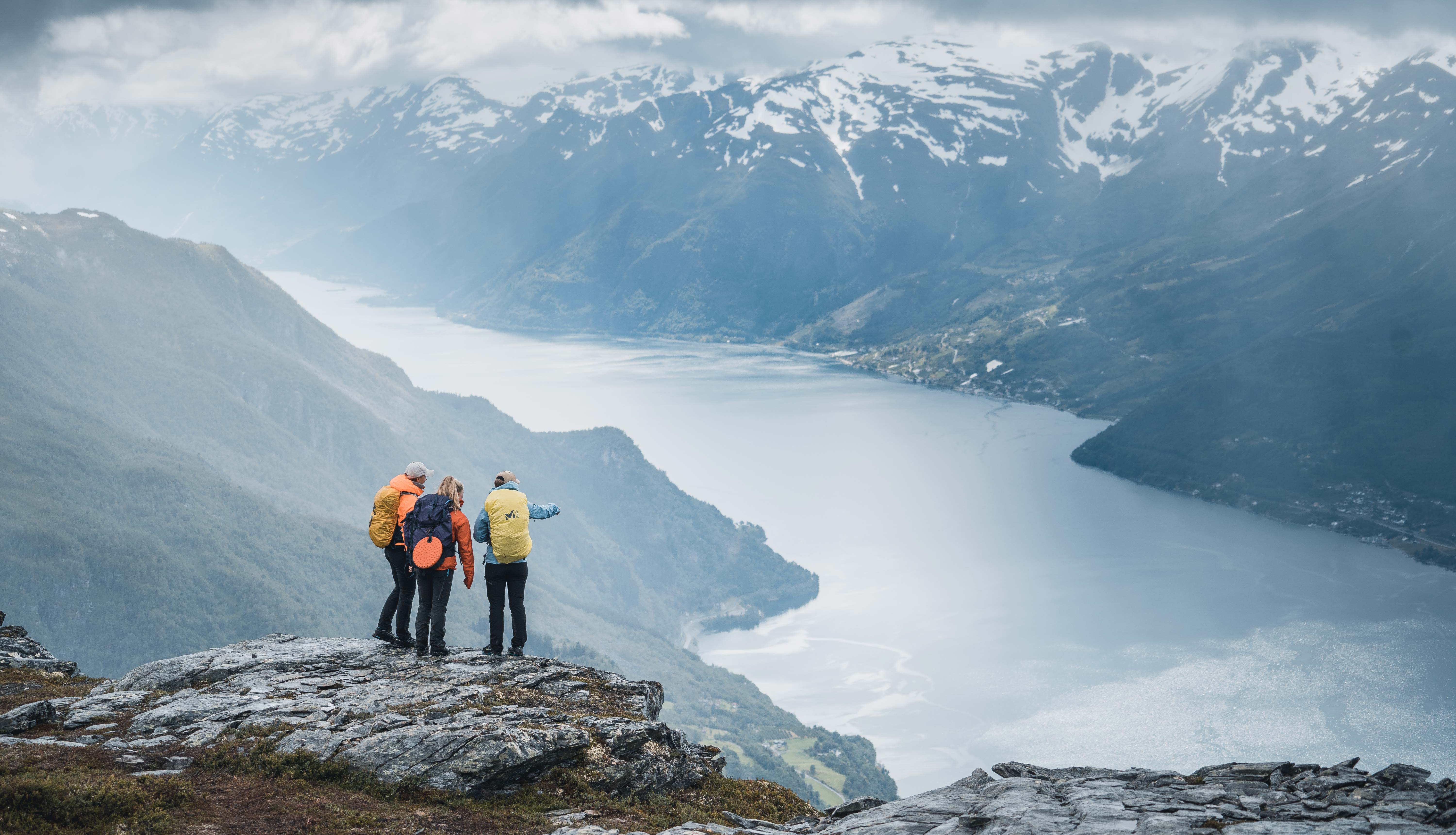
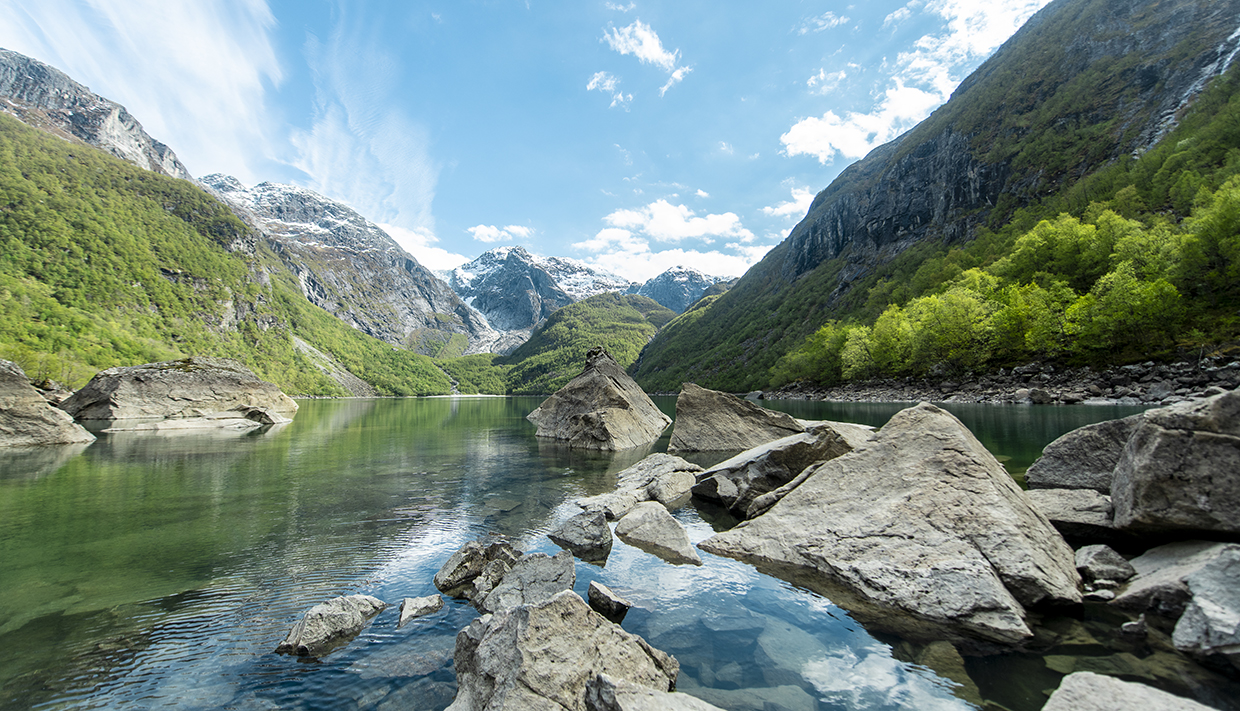
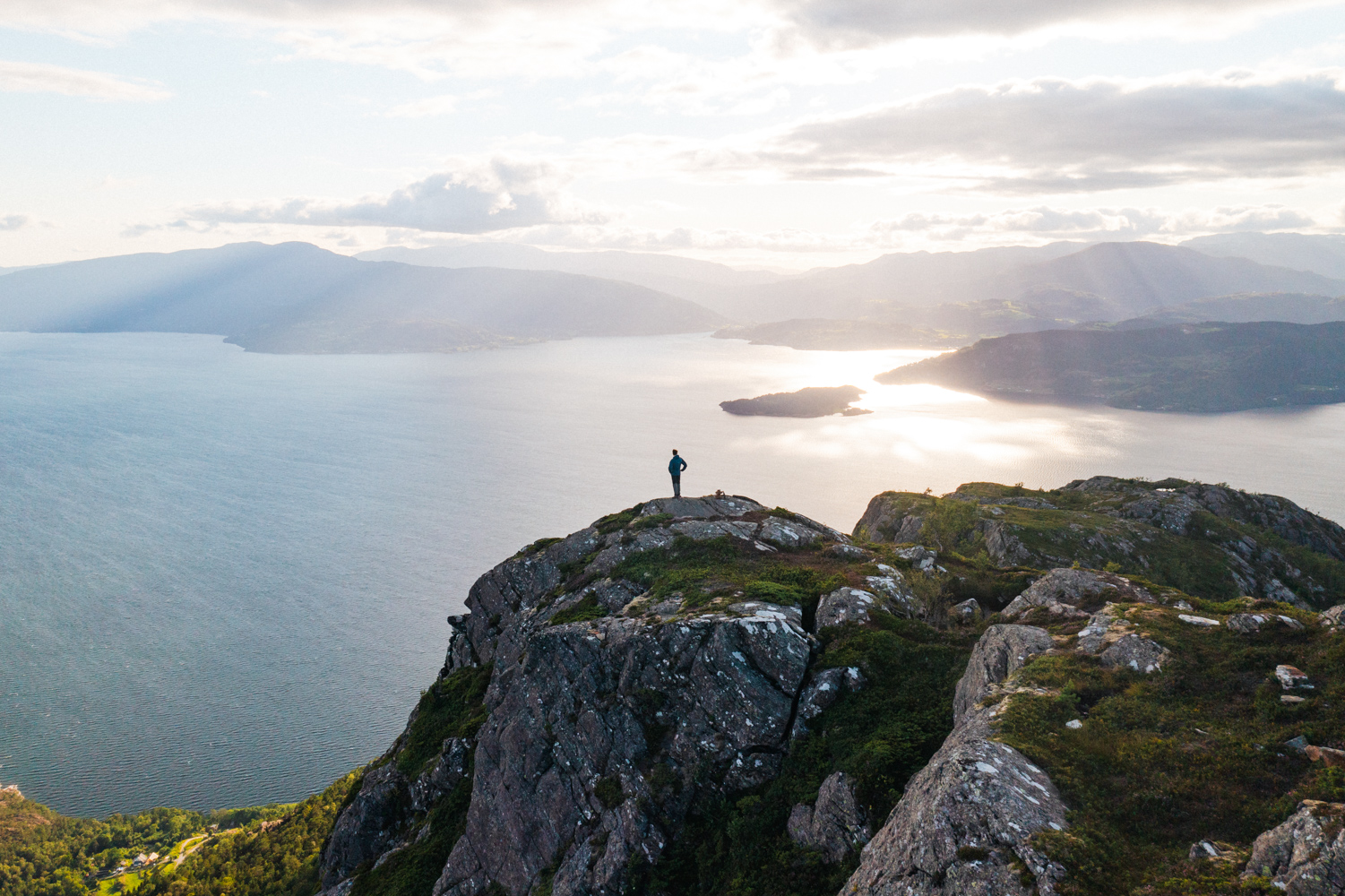
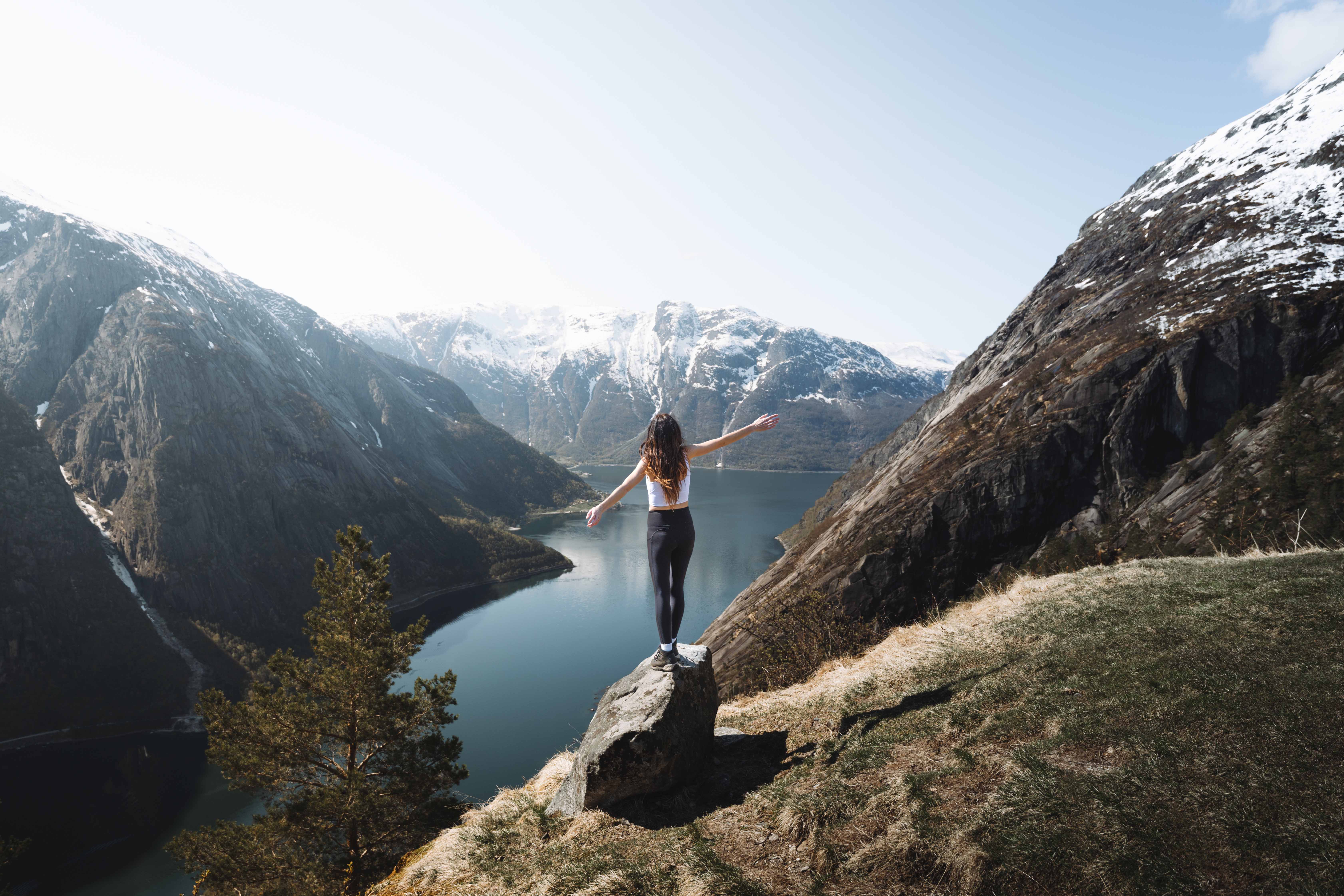
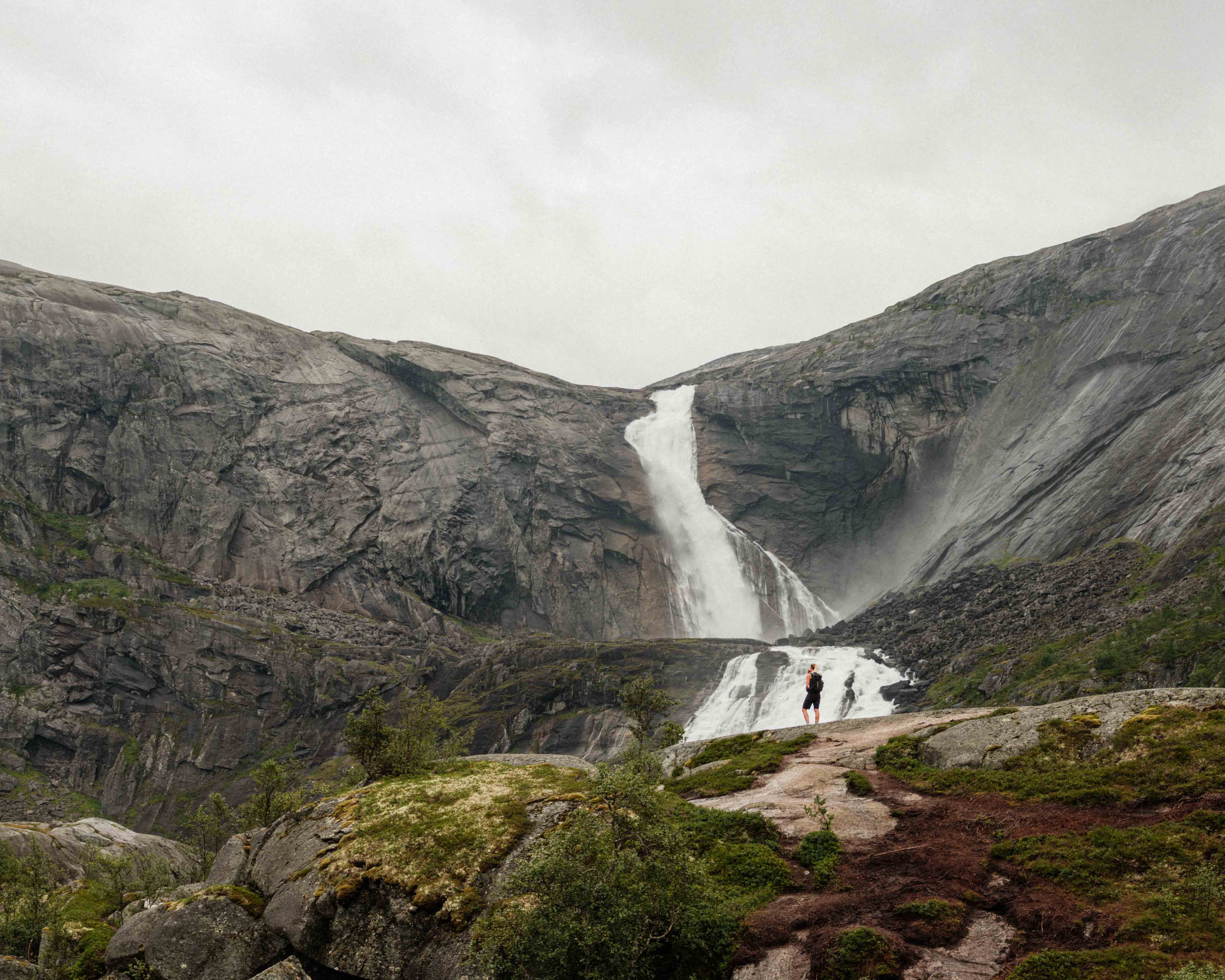
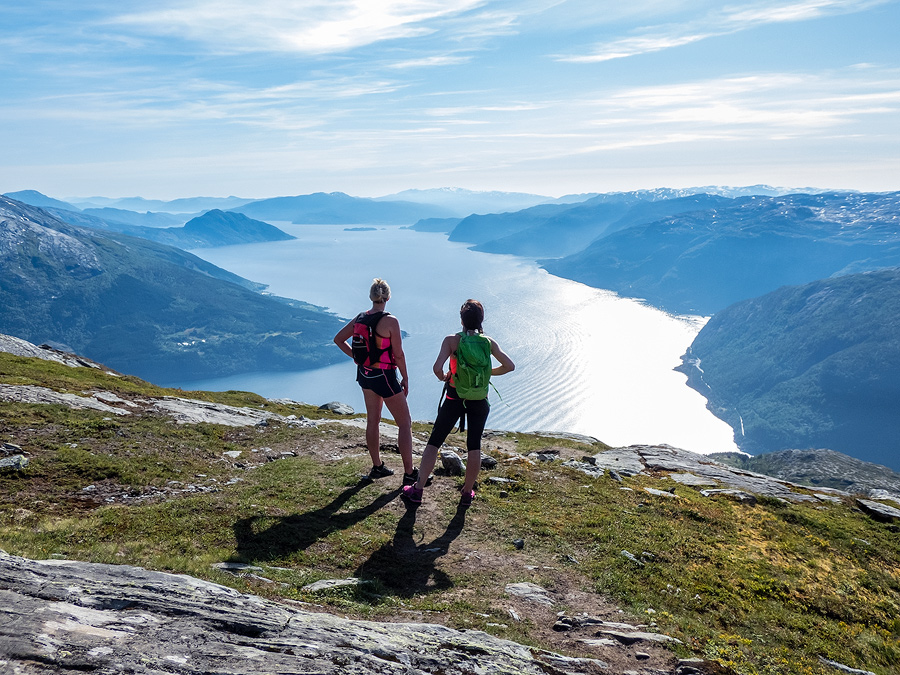
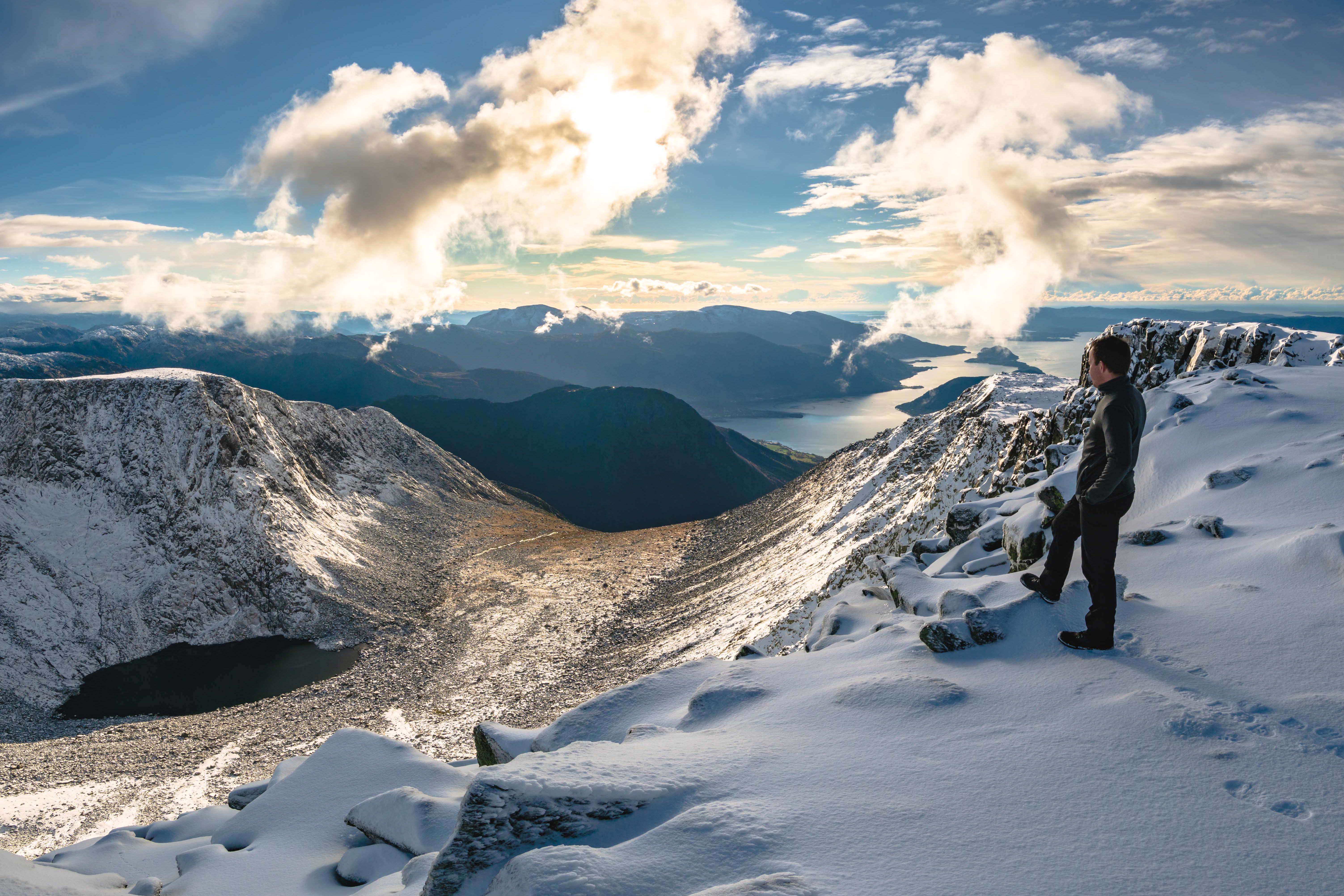
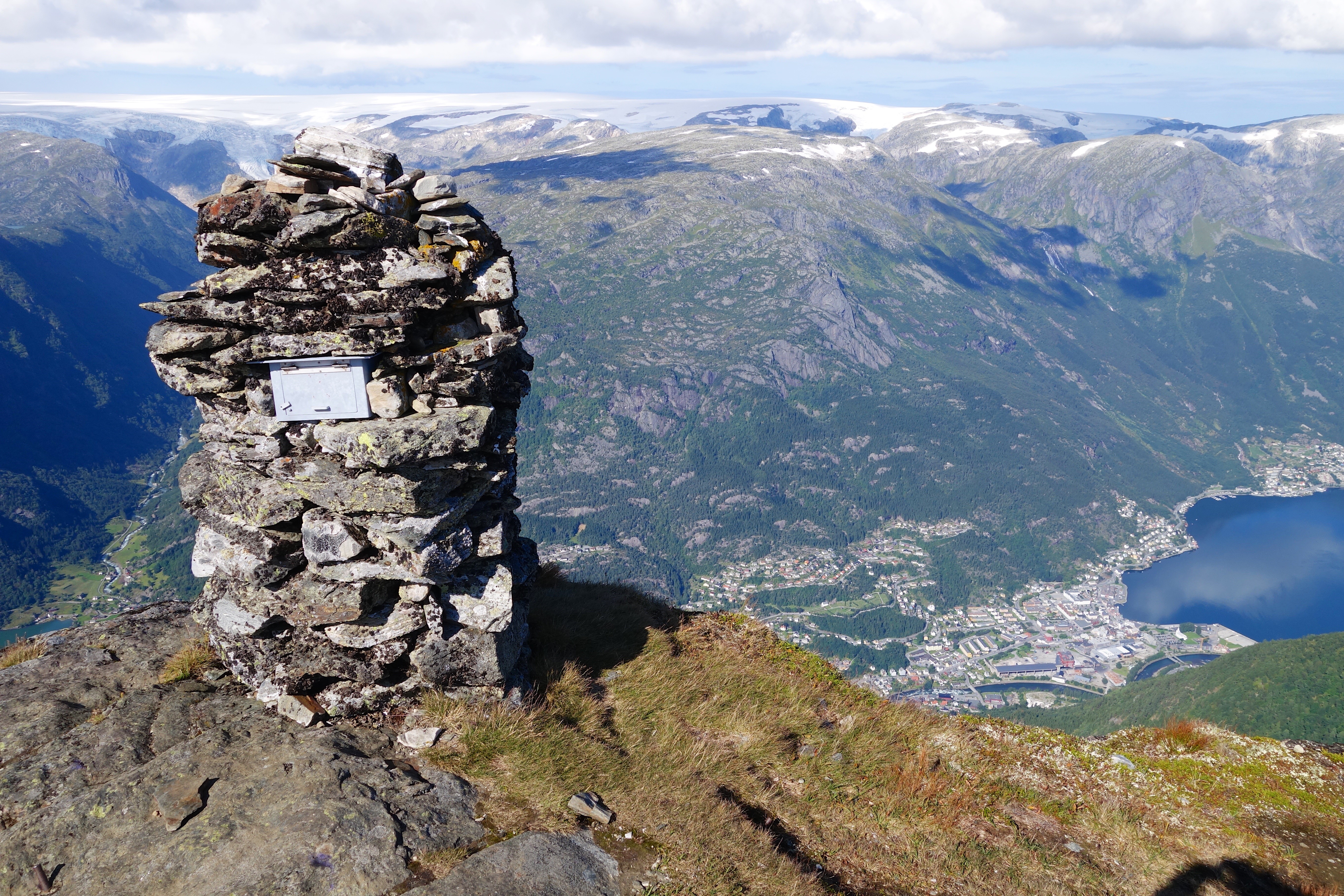
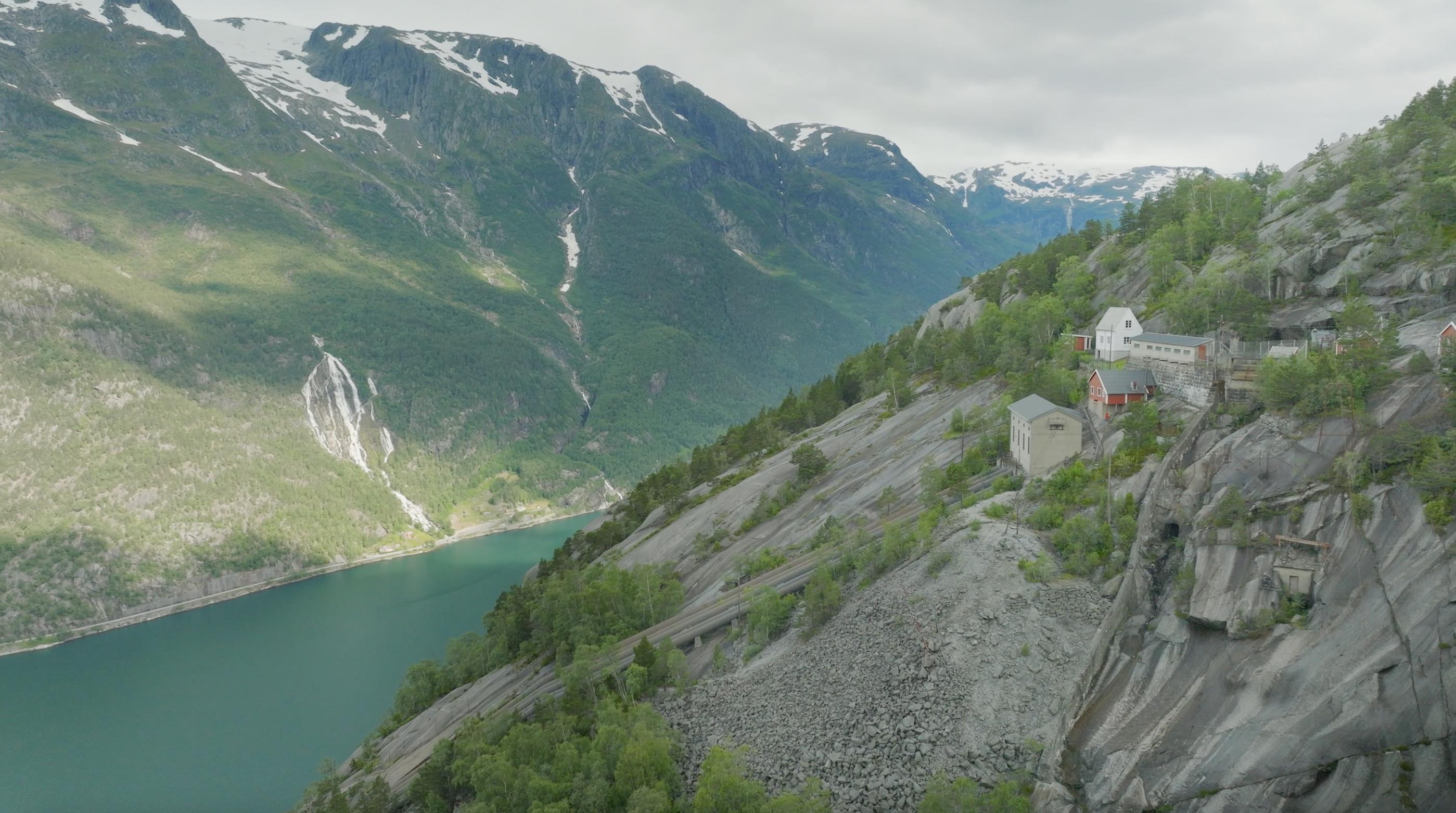
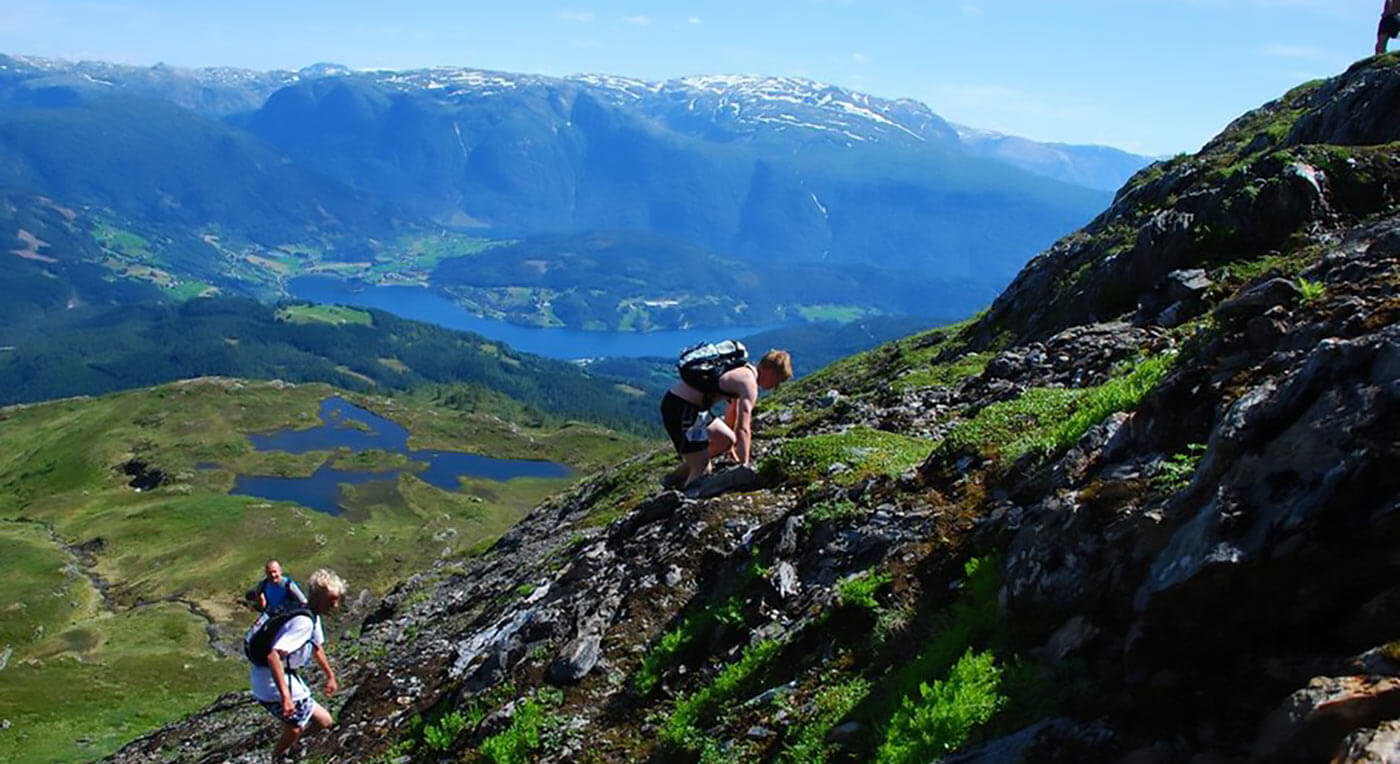
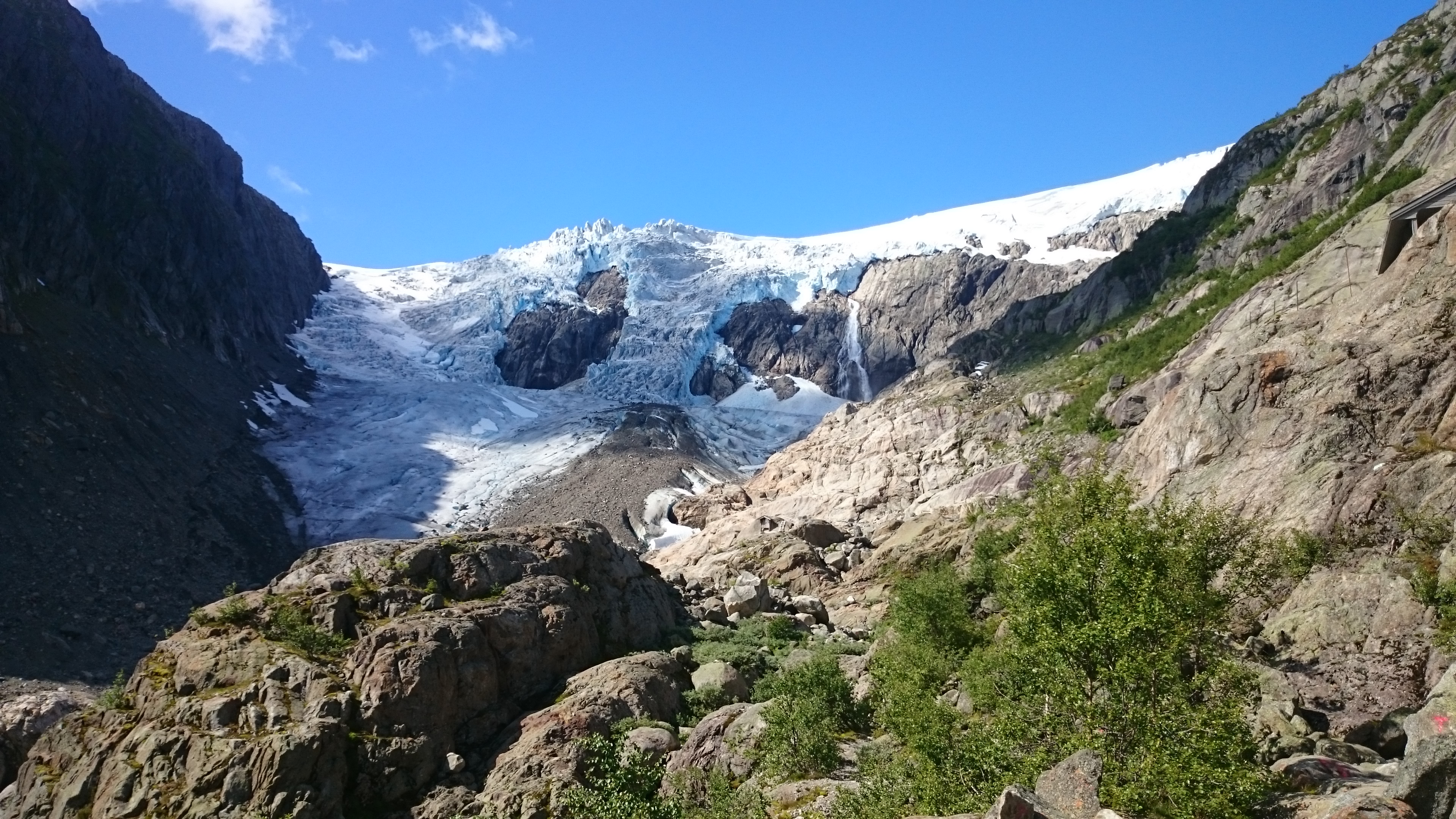
Trolltunga, Dronningstien, Lake Bondhusvatnet, Mount Oksen. There is no shortage of well-known hikes in Hardanger. Here in the region, you will find several of the most popular and spectacular hikes Norway has to offer.

Whether you want to explore the mountain peaks or just want to stretch your legs, you will find well-suited hiking destinations in the entire region. Here you get a complete overview!
See all
Built-up areas, rest areas, parks and parking lots are exempt from the statutory Right to Roam.
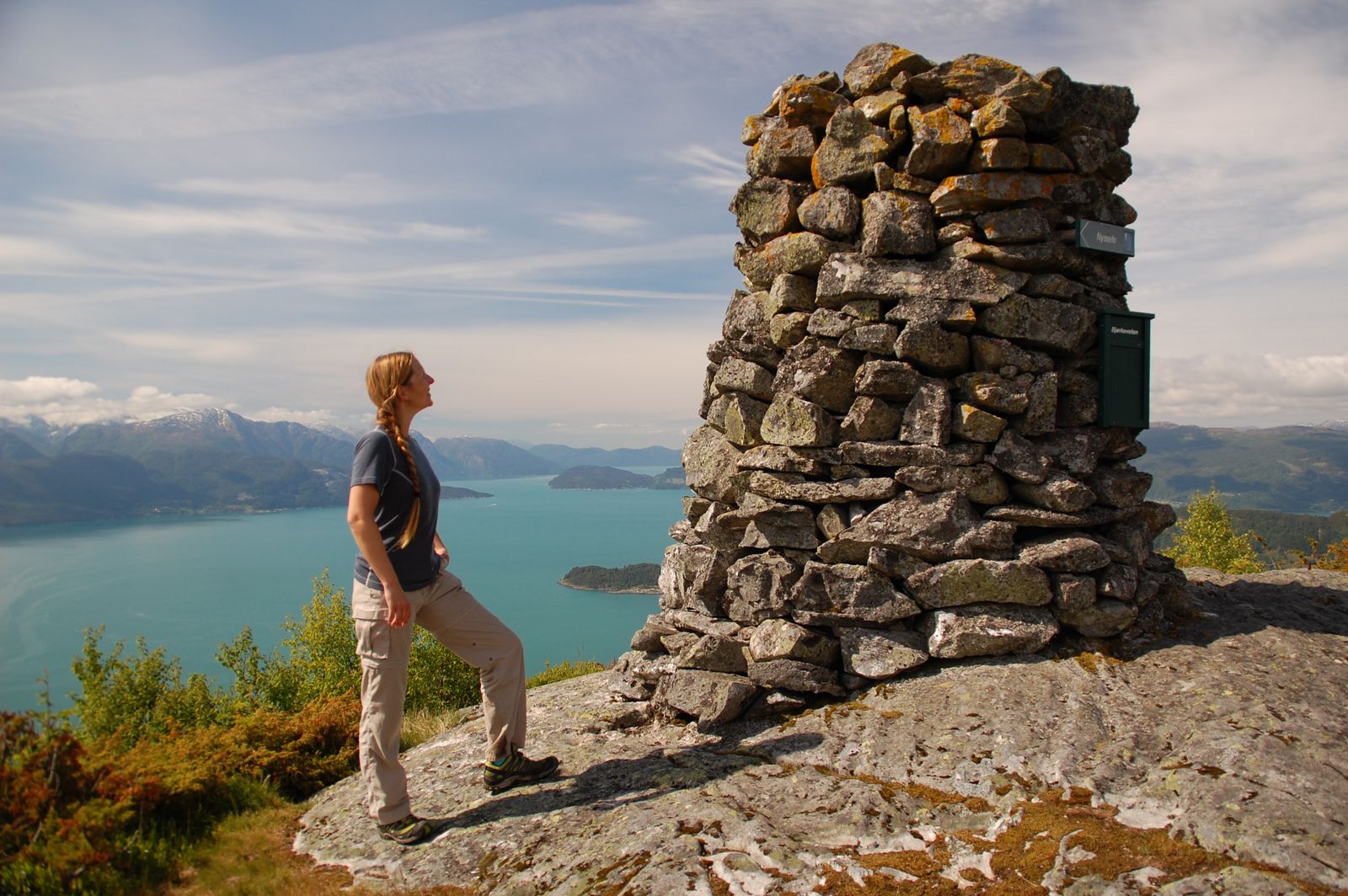
Avoid leaving any trace, such as cairns, tent pegs, etc. Allow others to have the same great experience that you’ve had.
If you are in an area without bins, take your waste back with you for proper disposal.
If none are available, dig a pit in the ground. Avoid using wet wipes, as they take a long time to decompose.
Camping closer than 150 meters from an occupied house or cabin is forbidden. You can camp on cultivated land only by permission from the landowner.
The roads in Hardanger are narrow, so be extra cautious. Keep well clear of cyclists when passing them. Be especially mindful of bicycles in tunnels.
Between 15 April and 15 September, there is a ban on open fires. Use designated sites for campfires, and make sure there is no risk of a forest or brush fire.
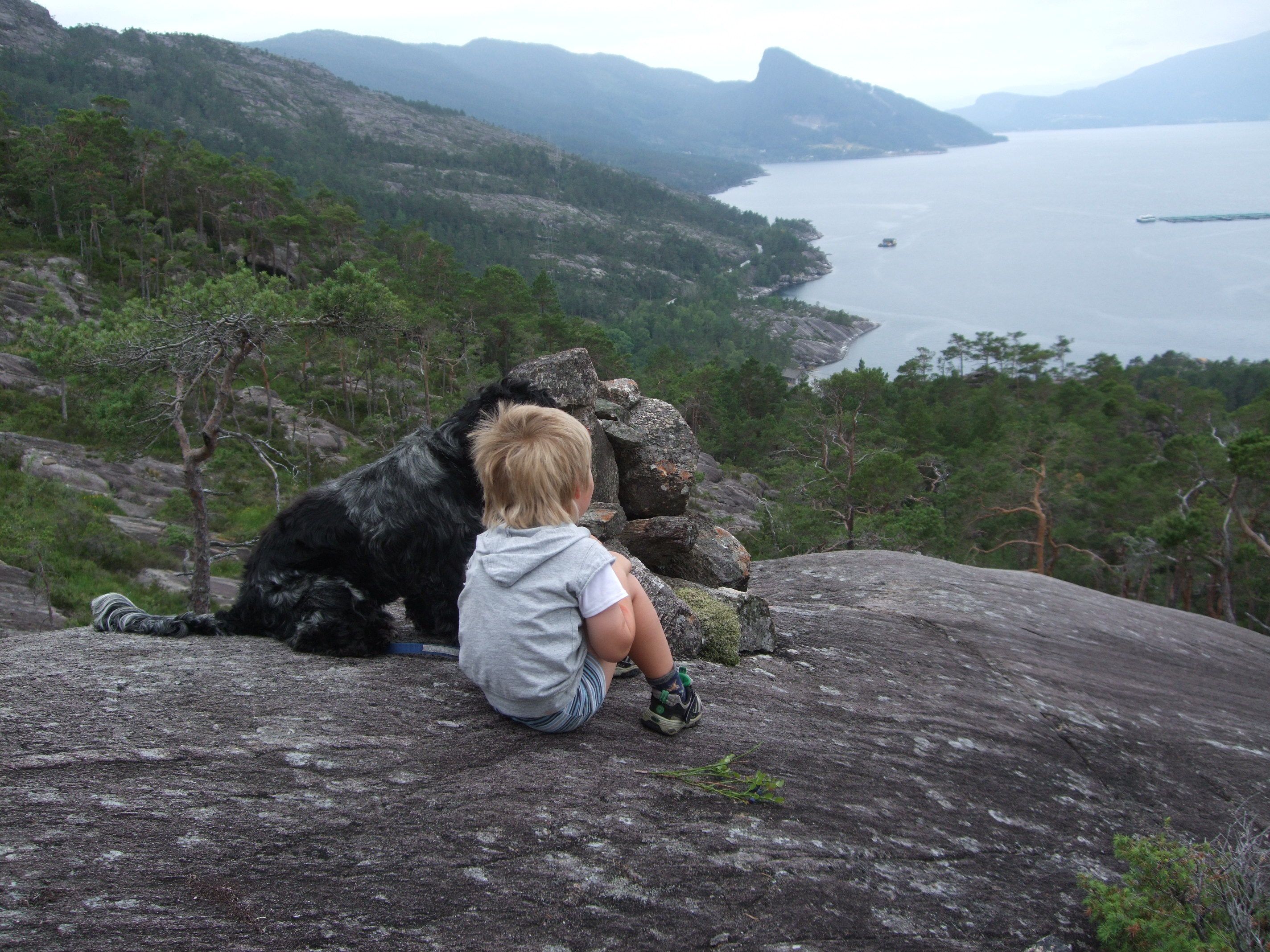
Avoid disturbing animals unnecessarily. Dogs must be kept on a leash at all times.
as well as your own experience and safety, we recommend activities organised by an activity company. You can find a list of such companies at www.hardangerfjord.com
Hardanger is about 2 to 2.5 hours by car from Bergen and holds some of Norway's most celebrated hikes. The region stretches from the outer fjord near Norheimsund and Kvam eastward to Eidfjord and the Hardangervidda plateau, and includes five municipalities — Ullensvang, Ulvik, Eidfjord, Kvam and Kvinnherad — each with its own hiking terrain. The two most famous trails, Trolltunga and Dronningstien, draw visitors from across the world, but the region also offers the four-waterfall valley of Husedalen, the glacier lake at Bondhusvatnet, the Oksen summit ridge, Kjeåsen mountain farm, and gentler options like Fruktstien (the Fruit Trail) in Lofthus. See the full hiking overview for all options.
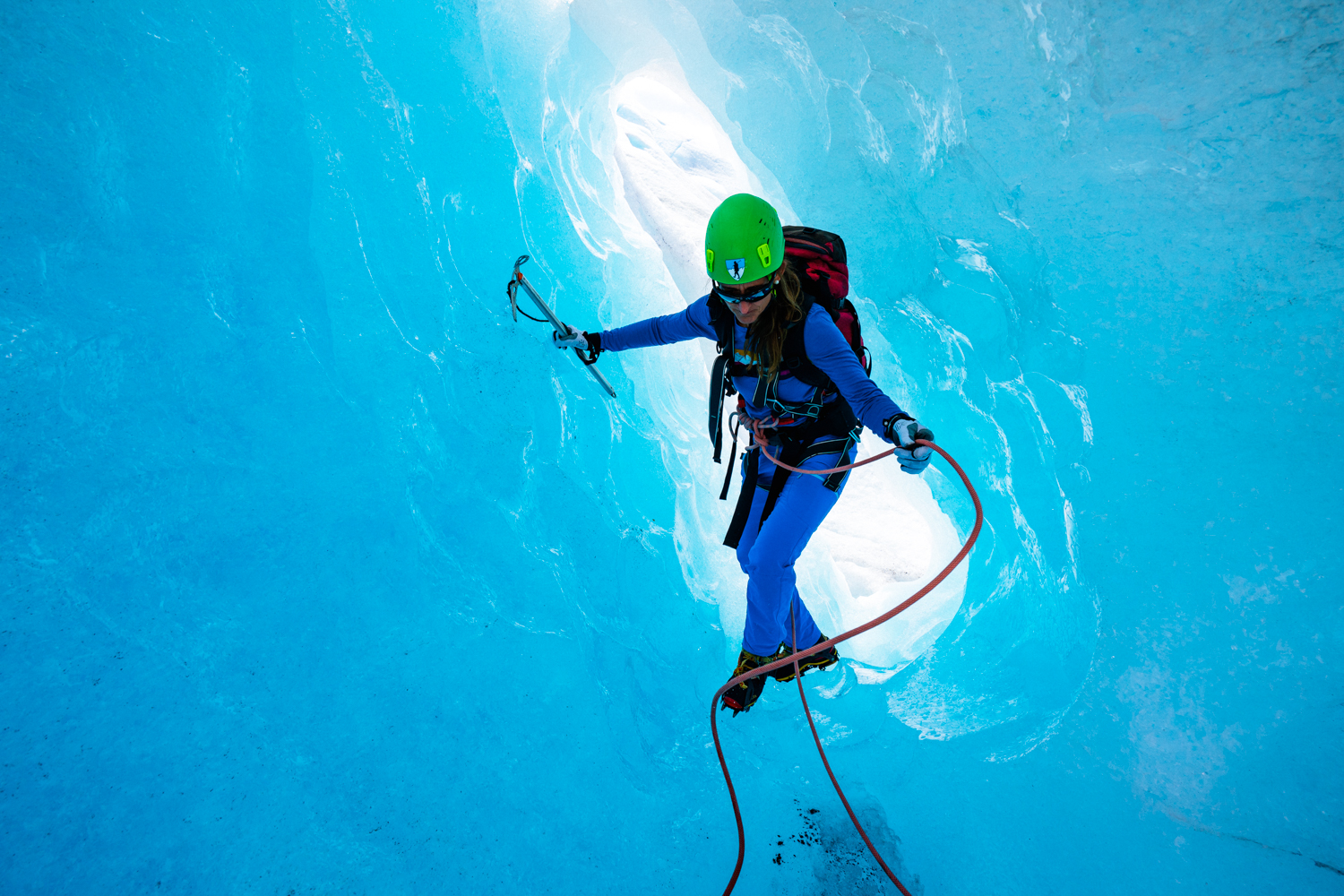
Hardanger hiking divides roughly into three tiers. The easiest walks are Bondhusvatnet (4.6 km round trip, 135 m elevation gain on a gravel path — one of the simplest glacier-lake walks in Norway), the Fruit Trail, and Simadal. These are suitable for families with young children or those looking for a relaxed day in nature. Moderate hikes include Husedalen (5 km one way, 700 m ascent, taking 3–6 hours depending on how many waterfalls you visit) and the guided blue-ice hike at Folgefonna. Demanding hikes are Dronningstien (approx. 16 km, 6–8 hours on the trail itself), Oksen, and the Kjeåsen path. Trolltunga is the most demanding of the widely-visited trails, at 23 km round trip from the upper car park P2, around 800 m elevation gain, and 10–12 hours for most hikers. See the full hiking overview for all trails sorted by difficulty.
Trolltunga is a genuinely demanding hike and not suitable for everyone. The round trip from P2 Skjeggedal is 23 km with around 800 m of elevation gain, taking most people 10–12 hours. As a rough guide: if you can comfortably walk 15–20 km in a day on varied terrain and have some experience with mountain paths, you can likely do it with good preparation. If you are new to hiking or in doubt, a guided hike gives you experienced company and a safety net. The alternative is Dronningstien, which is shorter and less exposed, or Husedalen, which you can tailor to your own energy level. See the full hiking overview to find the right match for your fitness level.
A car gives the most flexibility, but the most popular hikes are reachable without one. Buses run from Bergen to Odda (for Trolltunga) and to Kinsarvik (for Husedalen and Dronningstien); check timetables at Skyss.no. Trolltunga has a shuttle bus from Odda to the upper car park P2/P3 in summer. Without a car, it helps to base yourself in one of the main villages — Odda for Trolltunga, Kinsarvik or Lofthus for Dronningstien and Husedalen — rather than trying to cover all areas in one trip. For Bondhusvatnet, guided day trips from Bergen are available. See how to get to Hardanger for transport options.
Husedalen is a valley above Kinsarvik where the Kinso River drops over four waterfalls — Tveitafossen, Nyastølsfossen, Nykkjesøyfossen and Søtefossen — on its way down from the Hardangervidda plateau. It is roughly 2.5 hours from Bergen or 30 minutes from Odda. The trail starts either from Kinsarvik town centre or from the free car park further into the valley (follow signs from Route 13 in Kinsarvik). The full round trip to all four waterfalls from the car park is about 10 km with 700 m of ascent, taking 5–6 hours; you can turn back after two waterfalls for a 3–4 hour outing. Parts of the trail are steep and slippery when wet, so proper hiking shoes with grip are essential. See the Husedalen product page for maps and current information.
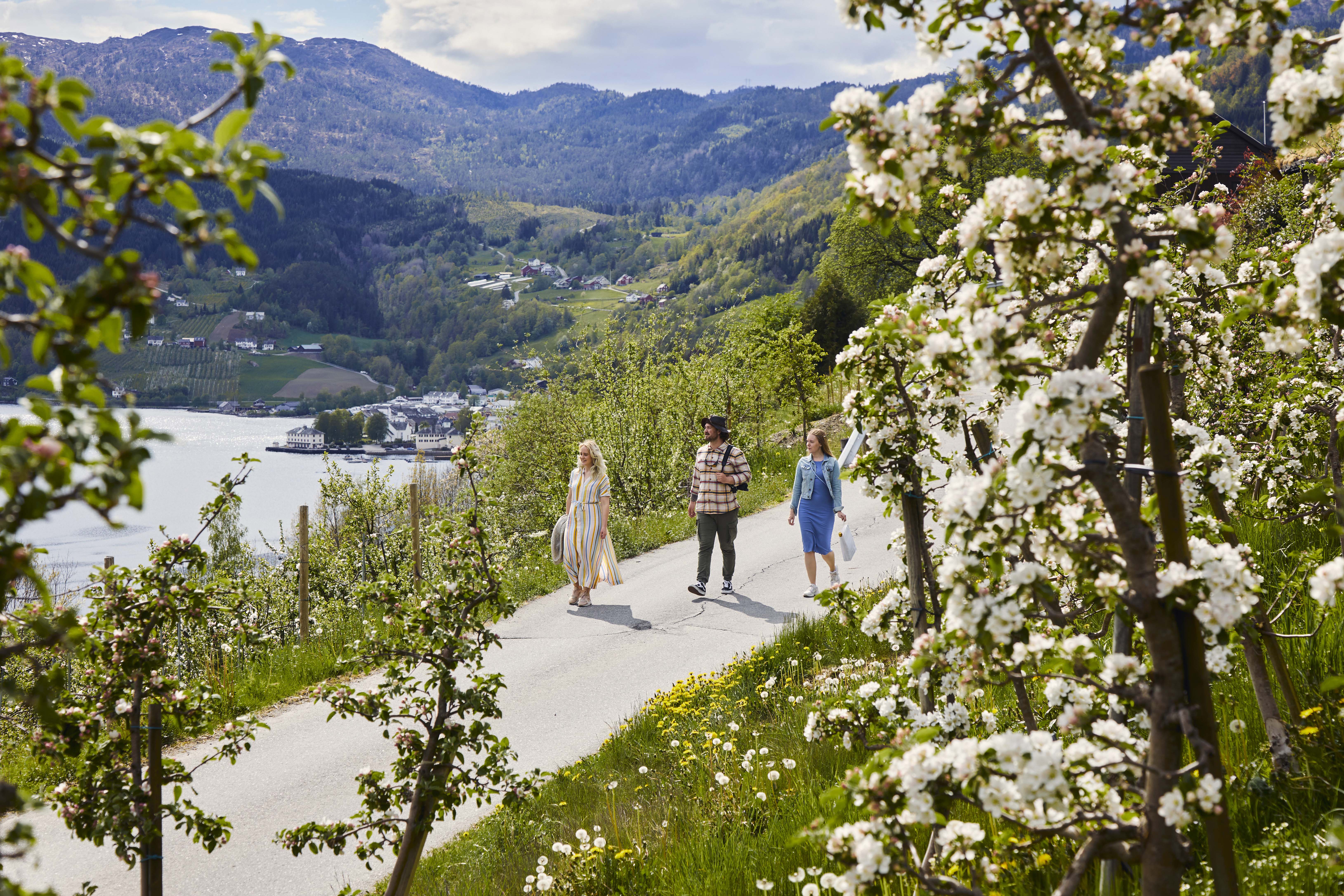
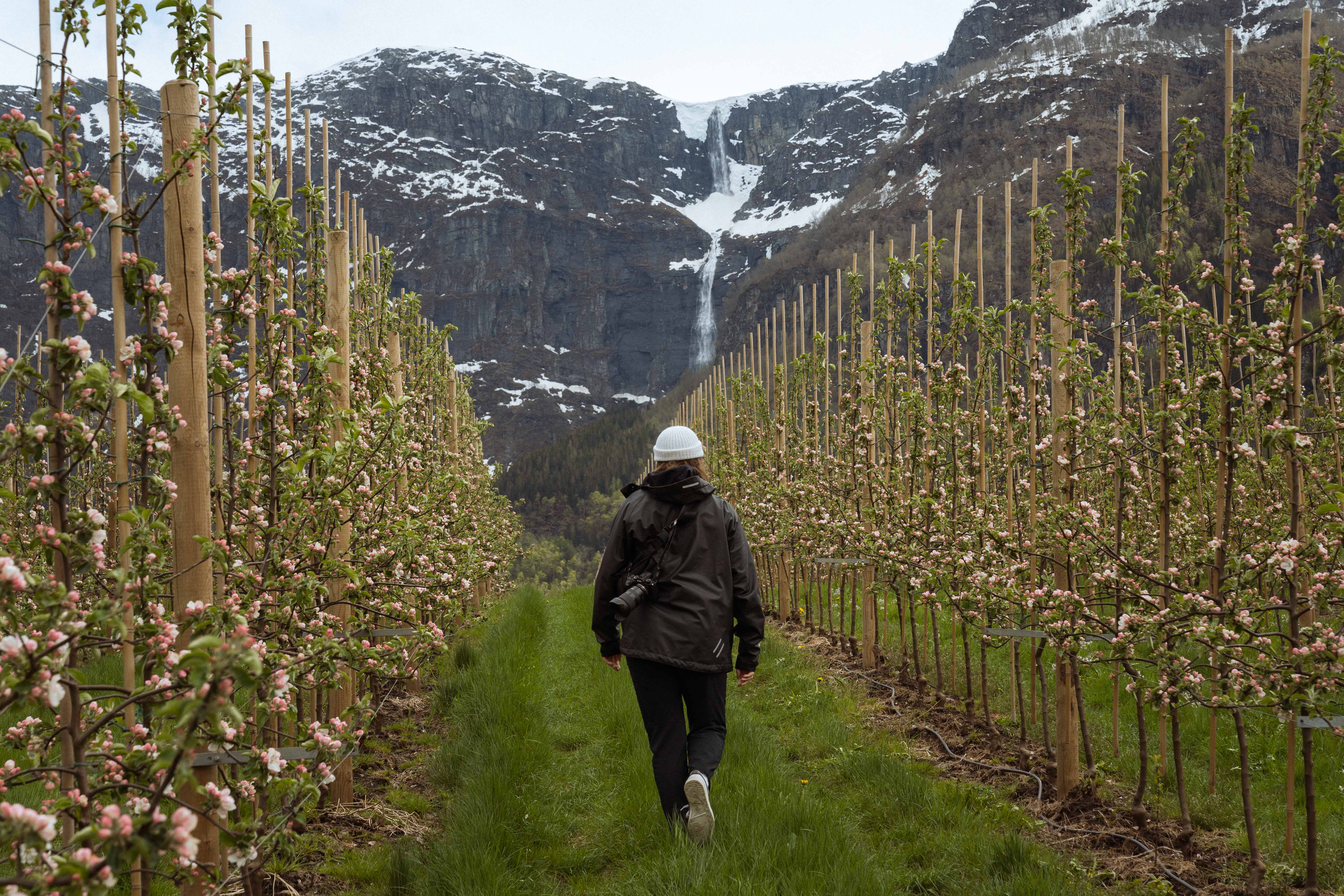
Dronningstien — Queen Sonja's Panoramic Trail — runs between Kinsarvik and Lofthus along the hillside above Sørfjorden, offering continuous views of the fjord, the orchards and, on clear days, the Folgefonna glacier and Hardanger Bridge. The trail itself is around 16 km, marked with blue Ds rather than the usual red Ts. Most hikers allow 6–8 hours for the trail section, plus additional time to ascend from and descend to the villages at either end — making it a full day out. It is best suited to experienced hikers in good physical condition, and many base themselves overnight in Kinsarvik or Lofthus.
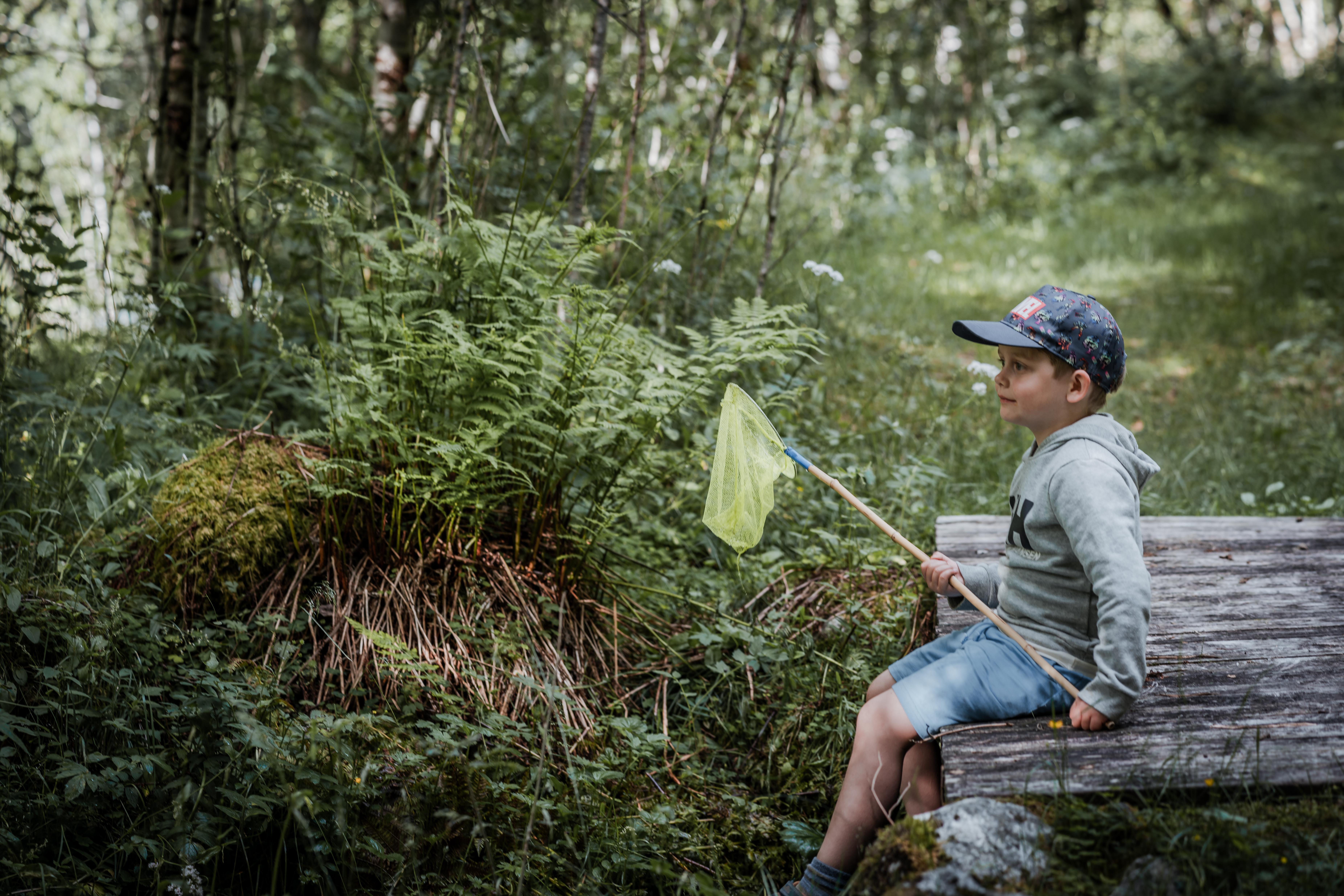
Yes. Bondhusvatnet in Bondhusdalen (Kvinnherad) is one of the most accessible glacier-lake walks in the region — a gentle 2.3 km gravel path from the car park to the lake, suitable for pushchairs in dry conditions. The Fruit Trail in Lofthus runs through orchards along the fjord, and the walk to Vøringsfossen viewpoint is accessible to most visitors. In Husedalen, you can turn back after the first waterfall for a 1.5-hour round trip that is manageable for most families. See family-friendly experiences in Hardanger for more options.
Some trails are accessible year-round: Bondhusvatnet, the lower section of Husedalen and the Fruit Trail can all be walked in winter, though you should expect snow and ice and check conditions before setting out. Trolltunga, Dronningstien and the summit hikes are winter routes that require snow experience, proper gear and ideally a guide. The main season for most Hardanger hikes is May to October, with the peak waterfall flows in late May and June from snowmelt. Check yr.no for weather forecasts and see individual trail pages for seasonal advice.