

Preservation through use. That is the principle behind Olavsrosa — the highest quality seal awarded by the Norwegian Heritage Foundation (Norsk Kulturarv) to places where cultural heritage is not merely preserved, but actively kept alive. In Hardanger, a fjord region in western Norway, six places have earned the seal.
Olavsrosa is Norway's national quality seal for cultural heritage. It is awarded by the Norwegian Heritage Foundation to businesses that preserve and share Norwegian cultural heritage in a living way — not as static exhibits, but through active, daily use.
The seal is granted after an expert assessment of three criteria: the cultural-historical value of the site, how those values are cared for, and how the story is conveyed to visitors. Only one or two businesses in Norway receive it each year, and all holders submit annual reports. The seal is automatically withdrawn if a business closes or changes its character significantly.
Behind Olavsrosa lies a simple but demanding principle: preservation through use. The best way to protect a cultural monument is not to lock it away — it is to keep it alive.

Norway has thousands of protected buildings and cultural monuments. Most are safeguarded through legislation — they cannot be demolished or significantly altered. But protection alone is not enough. A house left empty falls into disrepair. A craft tradition that is no longer practised dies out. A story that is never told is forgotten.
Olavsrosa addresses that problem. By awarding the seal to businesses that actively use and share their heritage, the Norwegian Heritage Foundation helps ensure that history lives on — not just on paper, but in rooms people actually sleep in, on boats people actually sail, and in workshops where craftspeople still work using the same methods as a hundred years ago.
Together, the more than 139 seal-holders across Norway form a living network of cultural heritage — from the Arctic north to the southern coast, from fishing villages to fjord-side farms, from industrial history to Bronze Age homesteads.
Utne Hotel has welcomed guests since 1722 — the same spot, the same fjord, for almost 300 years. The hotel is protected together with its ice house and courthouse as a single heritage environment, and 100 percent of its interior and exterior is preserved. With 17 rooms, local food and local staff, this is one of Norway's oldest hotels in continuous operation. Utne Hotel received Olavsrosa for the same reason the hotel is worth a visit: a place where cultural heritage is not on display — it is in use.
In rural Norway, families once lived in tight clusters of shared buildings called klyngetun — the Norwegian equivalent of a small village, where farmhouses, storehouses and workshops stood side by side. Most disappeared during land reforms in the 19th and 20th centuries. Agatunet is one of the very few that remain, with 30 protected buildings on a single farmyard. Among them is the Lagmannsstova from 1220–1230 — one of the best preserved non-ecclesiastical medieval buildings in the country and the oldest known court venue in Norway. Open from May to August, and for groups all year.
On a headland by Mundheim, where the Hardangerfjord is at its widest, lies another surviving farm cluster. Until 1912, Nes was a typical example — today the restored houses from the 18th and 19th centuries offer high-standard accommodation in a setting where the fjord, a boathouse and a private bathing spot are all within 200 metres. Open all year.
It all began in 1984 when a group of enthusiasts bought the traditional sailing vessel Mathilde at a forced sale and set about an enormous restoration. Today, the centre in Norheimsund is Norway's national centre of expertise for historic vessel preservation — a living shipyard where you can watch craftspeople build boats, make rope and maintain traditional wooden vessels. In summer, Mathilde sails the Hardangerfjord. Open in season.
In 1906, around 30 people lived in the village of Tyssedal by the Sørfjorden. Almost overnight, industrial development transformed it into a bustling construction site — workers streamed in from across Scandinavia and the population rose from 30 to 1,000 in a matter of years. Kraftmuseet tells the story of that transformation: how hydropower turned Hardanger from a farming region into an industrial one, and what it meant for the people who lived through it. The Tyssedal power station is protected and restored. Open all year.
In Guddalen, five kilometres from the village of Rosendal, lies a farm with roots reaching back to the early Bronze Age. The Guddal family has run accommodation and a gallery here since receiving Olavsrosa in 1993 — with exhibitions by Norwegian and international artists, and full food service. The grounds can be visited year-round, but accommodation, the café and the gallery are open seasonally from Easter to mid-September.
Businesses apply to the Norwegian Heritage Foundation and are assessed by an expert panel on three criteria: the cultural-historical value of the site, how those values are cared for, and how the story is conveyed to visitors. It is not enough to have an old and beautiful building — the heritage must be actively used and shared. More information and application details are available at kulturarv.no..
Olavsrosa can be awarded to a wide range of businesses offering cultural-historical experiences of high quality — everything from hotels and farms to museums, shipyards and cultural events. What matters is not the type of business, but that the heritage is alive, in use, and shared with visitors.
Hardanger has an unusual breadth of cultural heritage — from medieval farm clusters and a hotel in continuous operation since 1722, to maritime craft traditions and an industrial history that transformed the entire region in the early 1900s. That breadth is why six very different places — a hotel, two farm clusters, a maritime centre, a hydropower museum and a cultural farm — have all been able to meet the strict requirements for Olavsrosa.
Two of the six are open year-round: Nestunet in Kvam and Kraftmuseet in Odda. Guddalstunet in Kvinnherad can be visited year-round, but accommodation, the café and the gallery are open seasonally from Easter to mid-September. Utne Hotel, Agatunet and the Hardanger Maritime Centre are seasonal, mainly from May to September. Check each site's website for current opening hours before visiting.
Want to know more about Olavsrosa or see all seal-holders in Norway? Visit the Norwegian Heritage Foundation's website: kulturarv.no
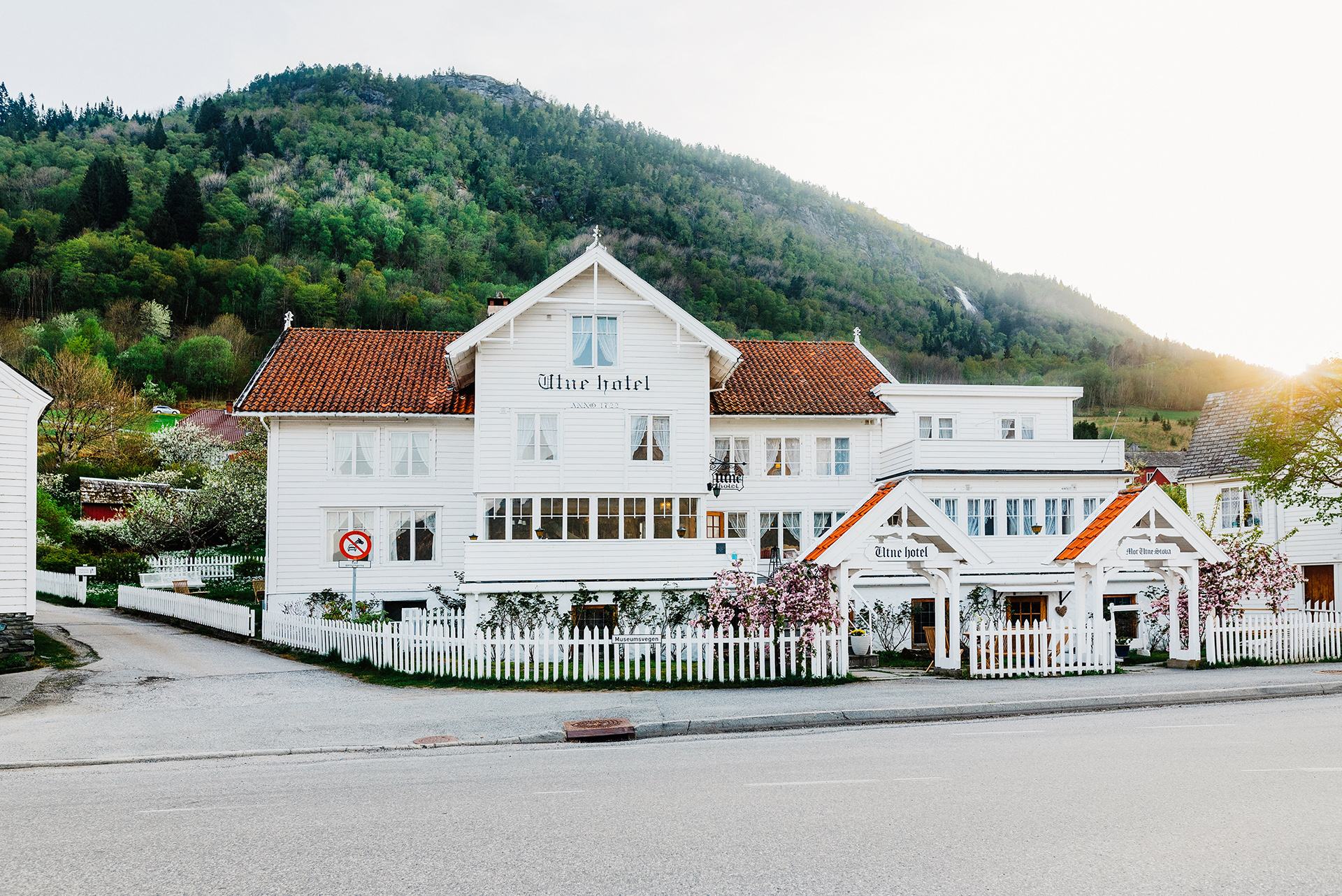
The historic Utne Hotel was opened in 1722 and has been in operation as a hotel ever since. It has only 17 rooms, all with charming, historical, and individual interior. If you are looking for authentic experiences, the Utne Hotel is just right for you.
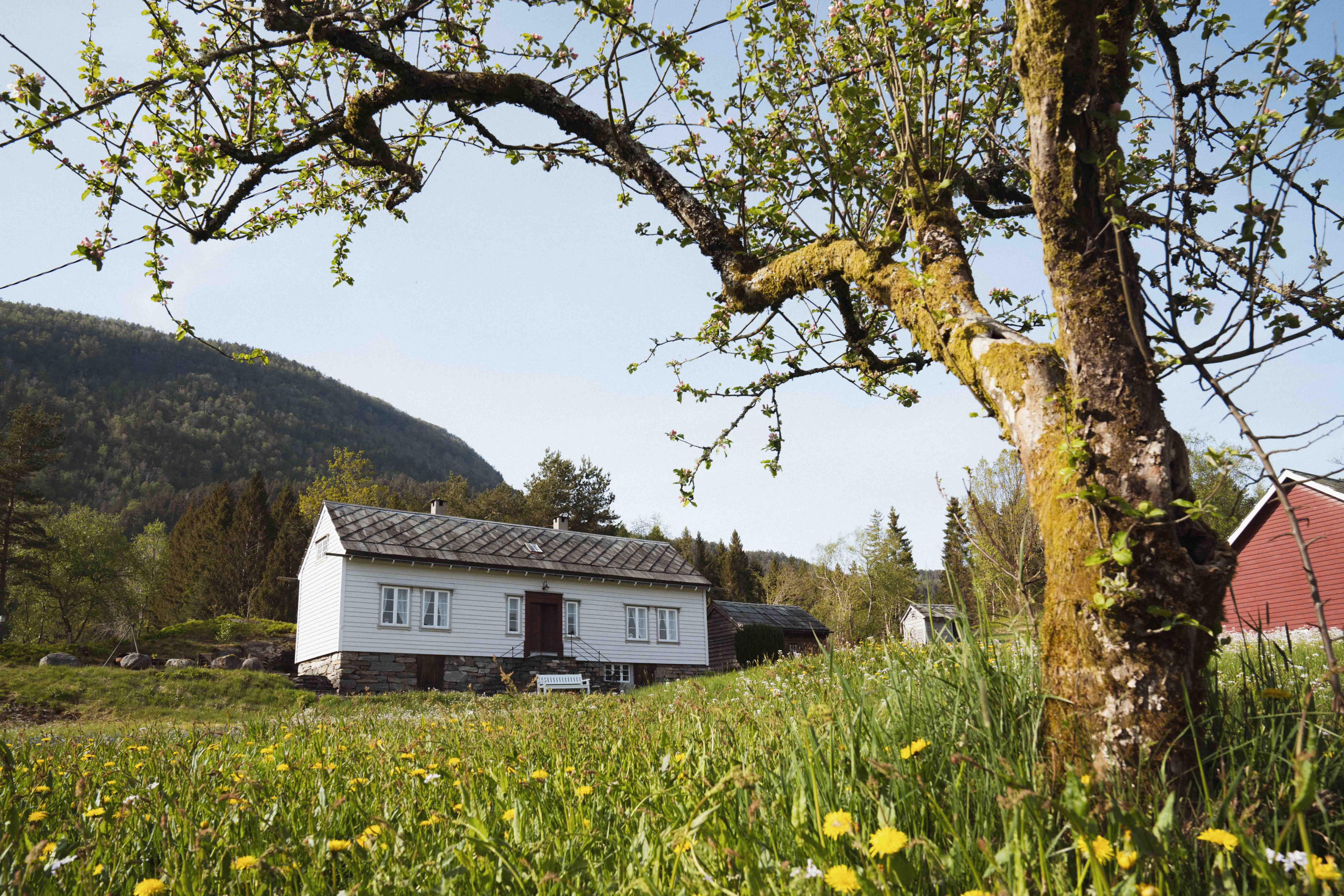
Nestunet is an idyllic farm located in Mundheim in Hardanger.
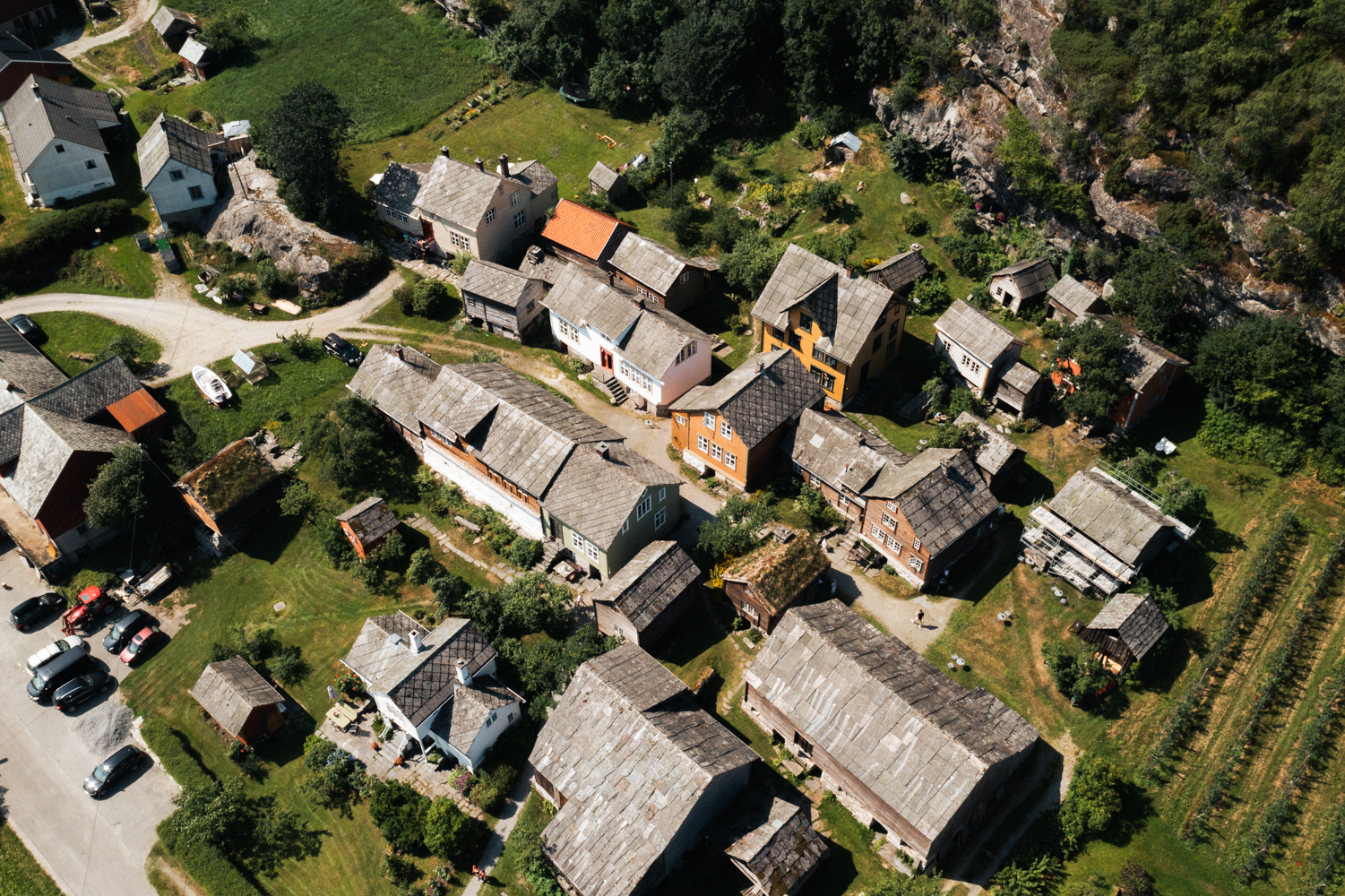
Agatunet is traditional Norwegian village center near Aga in Ullensvang by the Sørfjorden. The oldest building is the Lagmannsstova from 1220. At Agatunet you can book guided tours and see art and cultural-historical exhibitions. It is owned by a foundation.
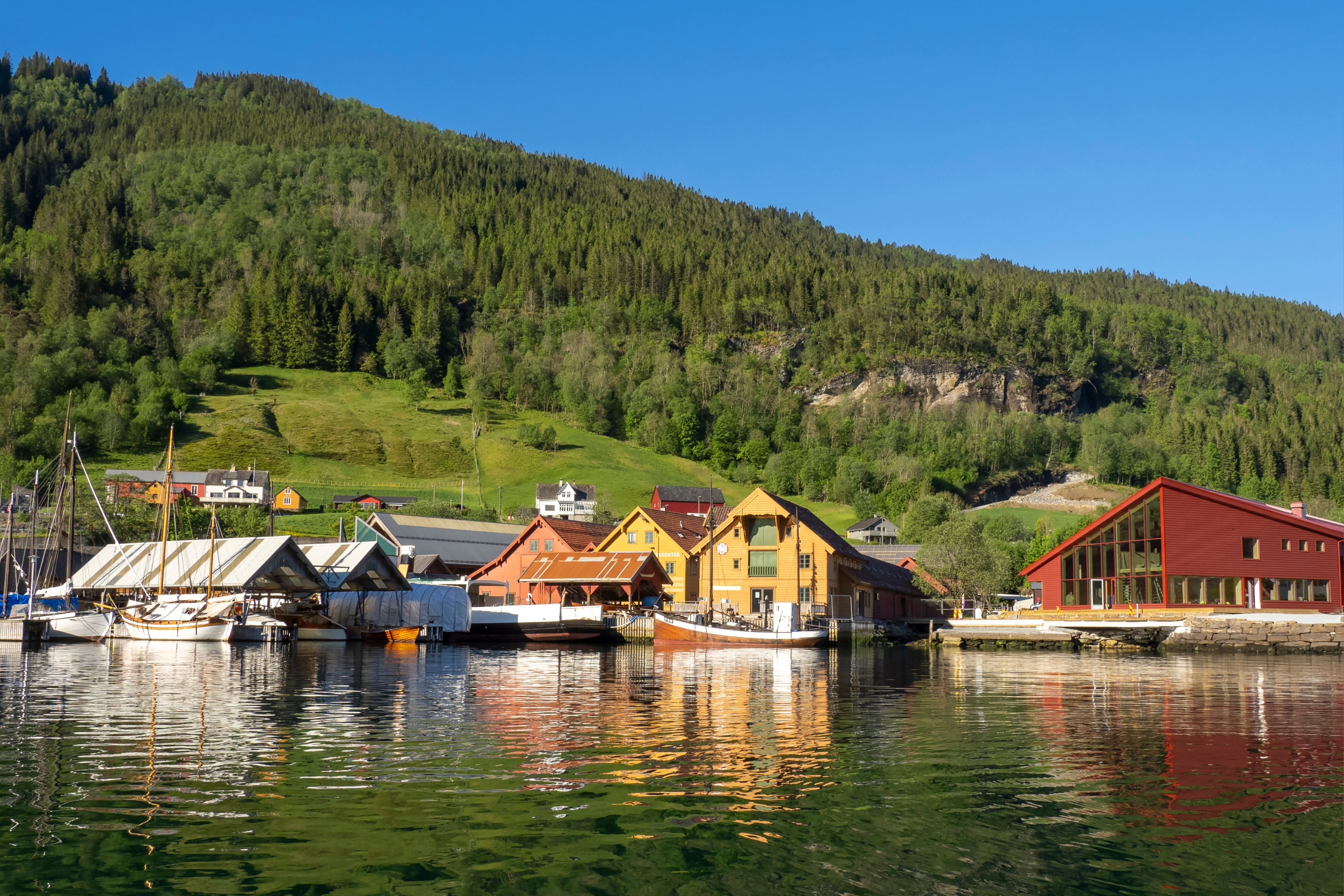
Discover maritime history at Hardanger Maritime Centre with hands-on workshops and family activities.
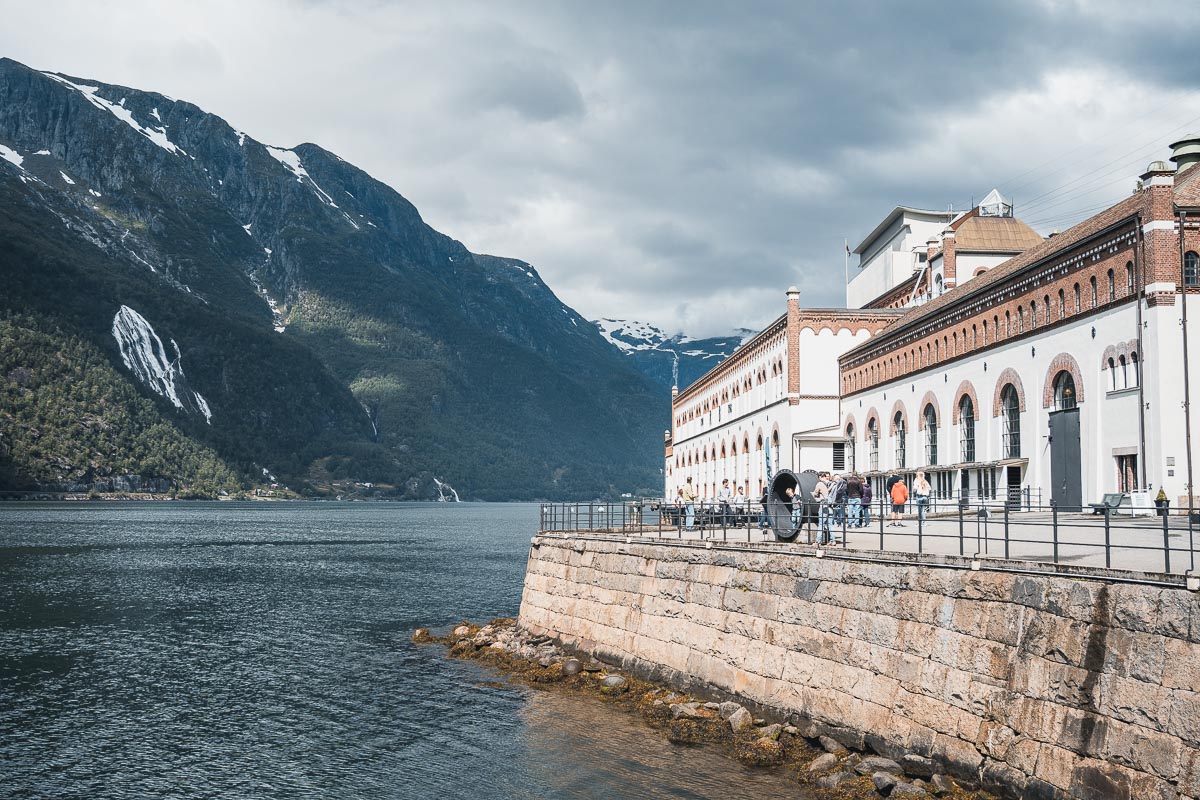
Experience The Powermuseum - Kraftmuseet in Tyssedal and gain a fascinating insight into Norway's hydropower and industrial adventure, with activities for the whole family set in beautiful Western Norway nature.
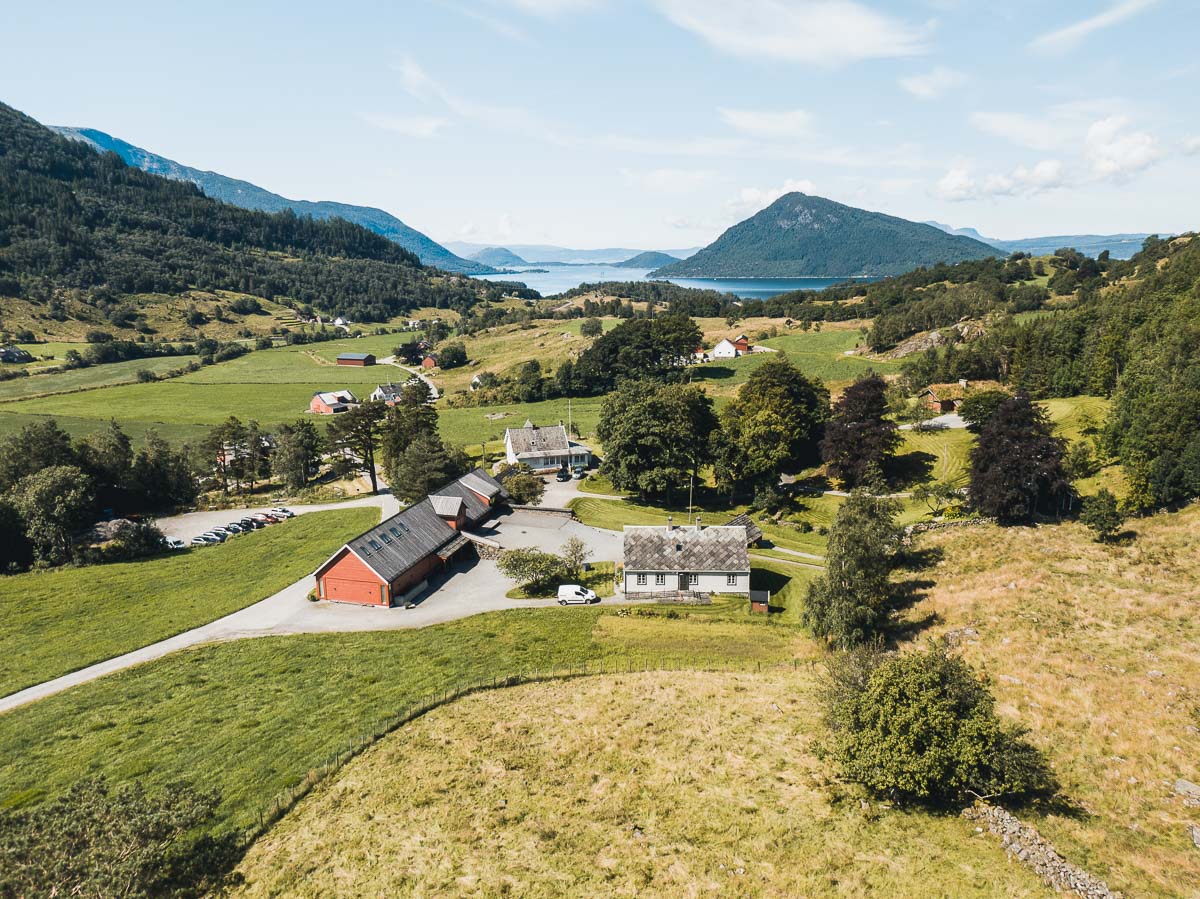
Just 5 km from Rosendal, Guddalstunet offers an art gallery, accommodation, and dining in beautiful surroundings. Experience exhibitions by national and international artists and stay in the renovated Vangshuset.
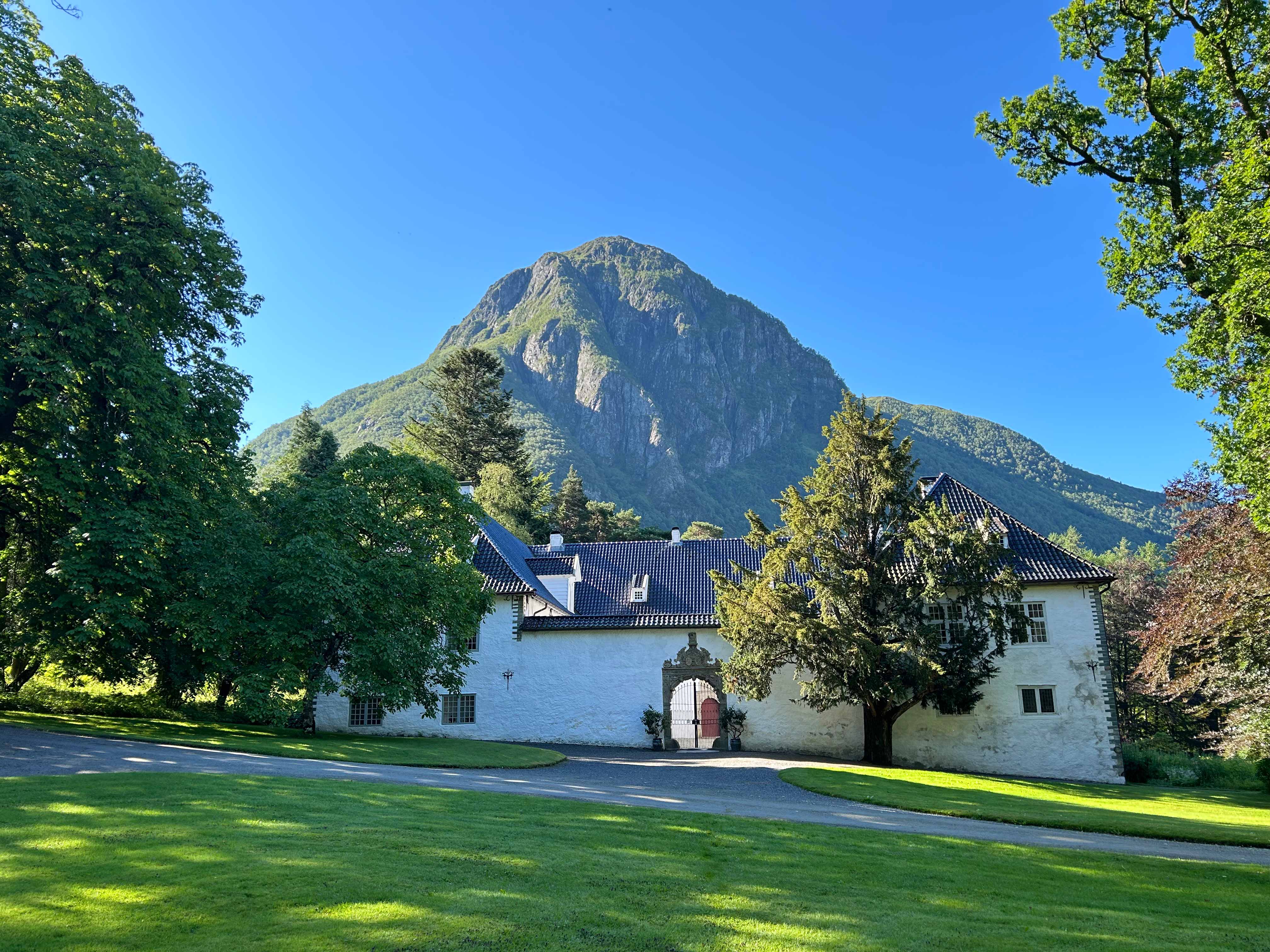
Baroniet Rosendal is Norway's only barony and Scandinavia's smallest castle. The barony is centrally located in Rosendal and is known for its cultural program and its rose garden.
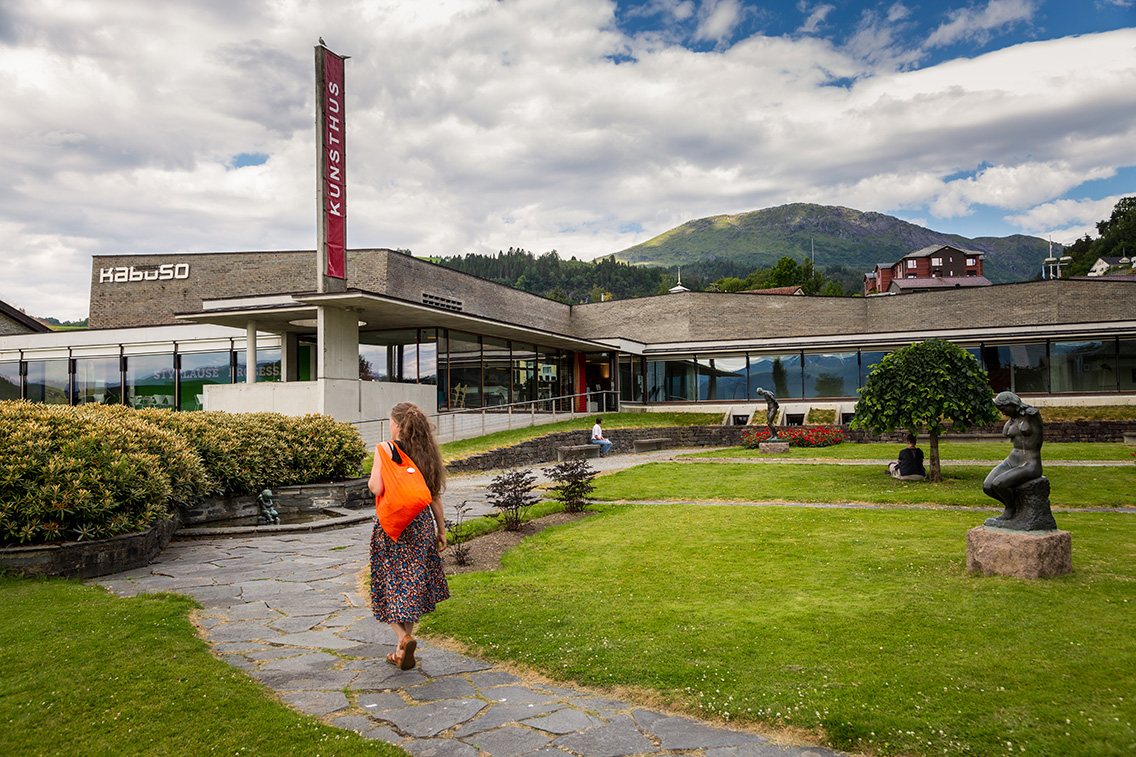
Kunsthuset Kabuso offers rotating exhibitions, concerts, and events year-round. Experience magical light in Hardanger Skyspace and visit the Ingebrigt Vik Museum. Enjoy homemade food and stunning views in the café.
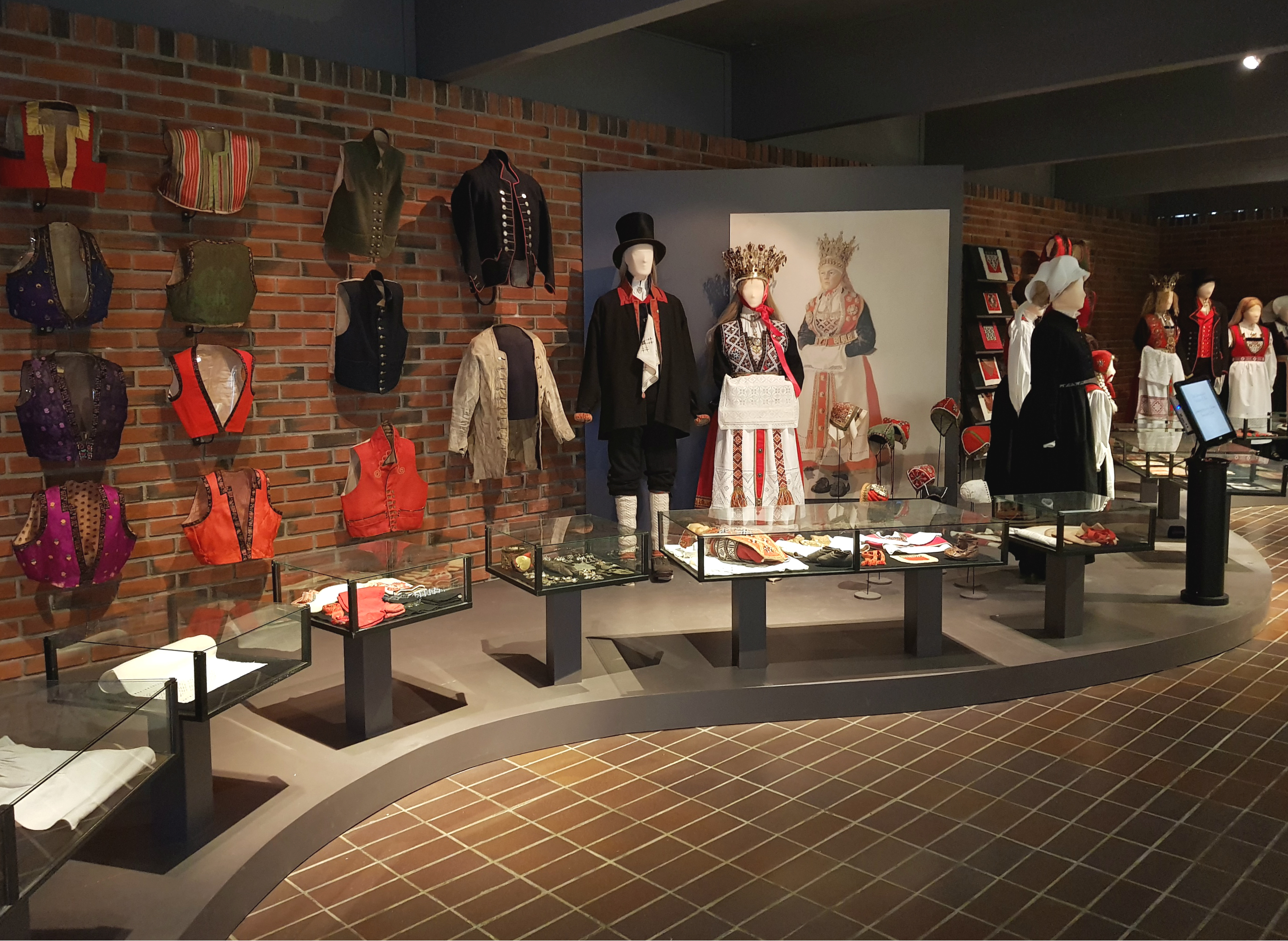
The Hardanger Folklore Museum is part of the Hardanger and Voss Museum and is located in Utne. In the main building you will find Hardanger embroidery, traditional costumes, and folk music exhibitions. An open-air museum with several historical buildings is also part of the folklore museum.


