Camping in Hardanger is more than a place to sleep. It is morning coffee with a view of the Sørfjorden, an evening swim in one of the many mountain lakes, and hiking trails through a landscape that has inspired writers and artists for generations.
Camping in Hardanger means staying close to the fjord, mountains and waterfalls that define western Norway. Between the Folgefonna glacier in the west and the Hardangervidda mountain plateau in the east, the region has a wide range of campsites - most of them by the Hardangerfjord or one of its arms, a handful set in the mountains, and several within easy reach of the area's best-known hikes and attractions. From a Hardanger campsite you can walk to the trailhead for Trolltunga, drive a few kilometres to Vøringsfossen, or take a guided trip onto the Folgefonna glacier.
The main season runs from May to September. May brings the fruit blossom, when the orchards along the Sørfjorden turn white and pink. July and August are the busiest months. A handful of campsites stay open year-round, giving access to winter hiking on Hardangervidda and skiing in Røldal.


For many visitors, choosing a campsite comes down to what they want to see and do nearby. Hardanger has campsites located strategically close to the region's best-known attractions.
Trolltunga: Trolltunga Camping in Odda is the closest campsite to the trailhead, about 15 km from the starting point at Skjeggedal. The Trolltunga shuttle bus passes the campsite during the high season. Hildal Camping, ten kilometres north of Odda along the same valley, is a simpler alternative. Kinsarvik Camping on the Hardangerfjord works well for visitors who want to combine Trolltunga with hikes in Husedalen or along Dronningstien.
Vøringsfossen: Garen Camping sits three kilometres from the waterfall, on the Hardangervidda mountain plateau along Norwegian National Road 7. Sæbø Camping in Øvre Eidfjord is another practical base, within a short drive of both Vøringsfossen and the Hardangervidda Nature Centre.
Folgefonna: Sundal Camping in Mauranger is within walking distance of Bondhusdalen and the Folgefonna National Park. Folgefonn Hytter og Gardscamping in Jondal sits along the road up to the glacier and serves as a base for guided glacier hikes.
Husedalen and Dronningstien: Kinsarvik Camping and Mikkelparken Ferietun are both located in Kinsarvik, close to the trailheads for both the Husedalen hike to the four waterfalls and Queen Sonja's Panorama Trail.
For more on the individual hikes, see our Trolltunga page, waterfalls page, and hiking page.
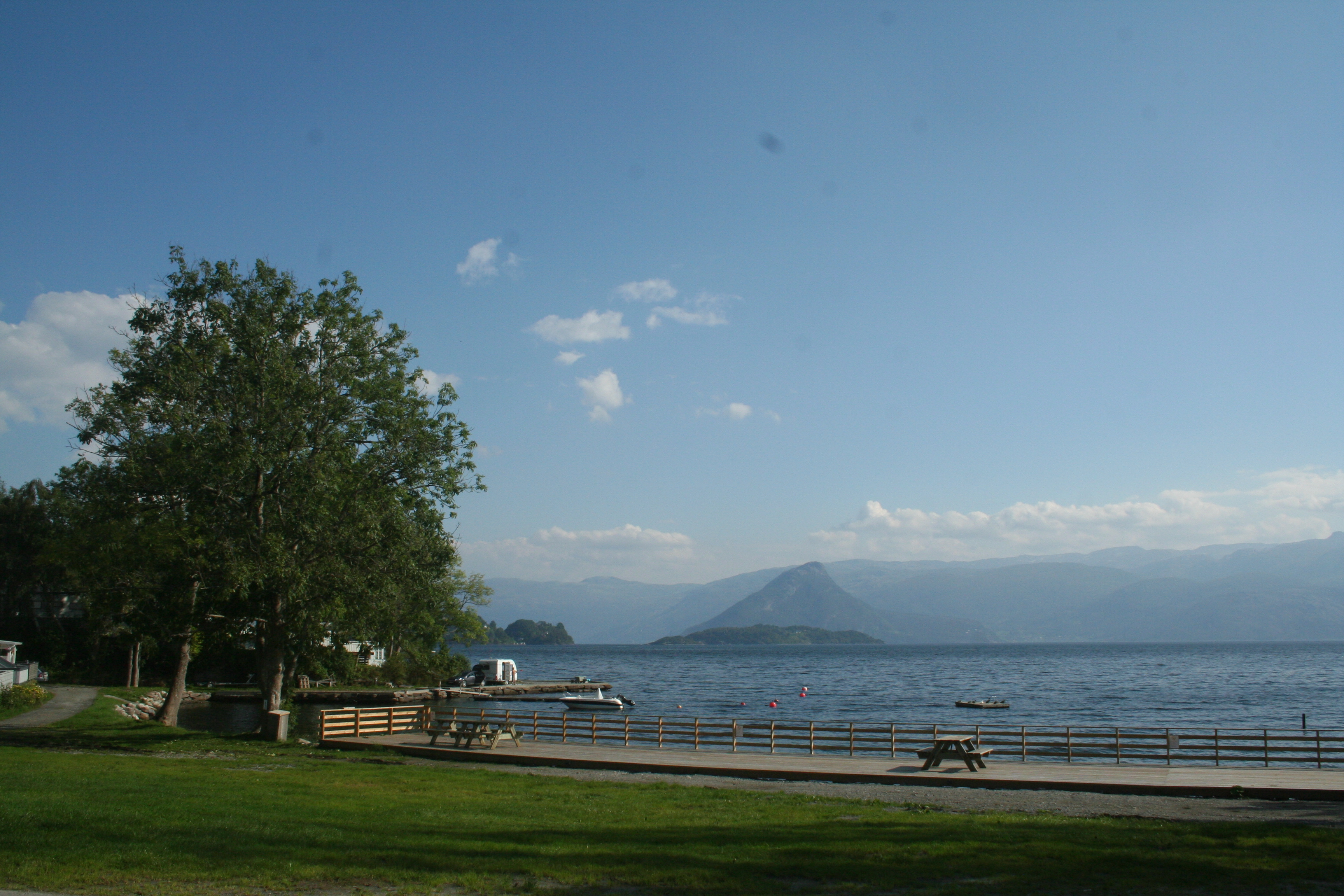
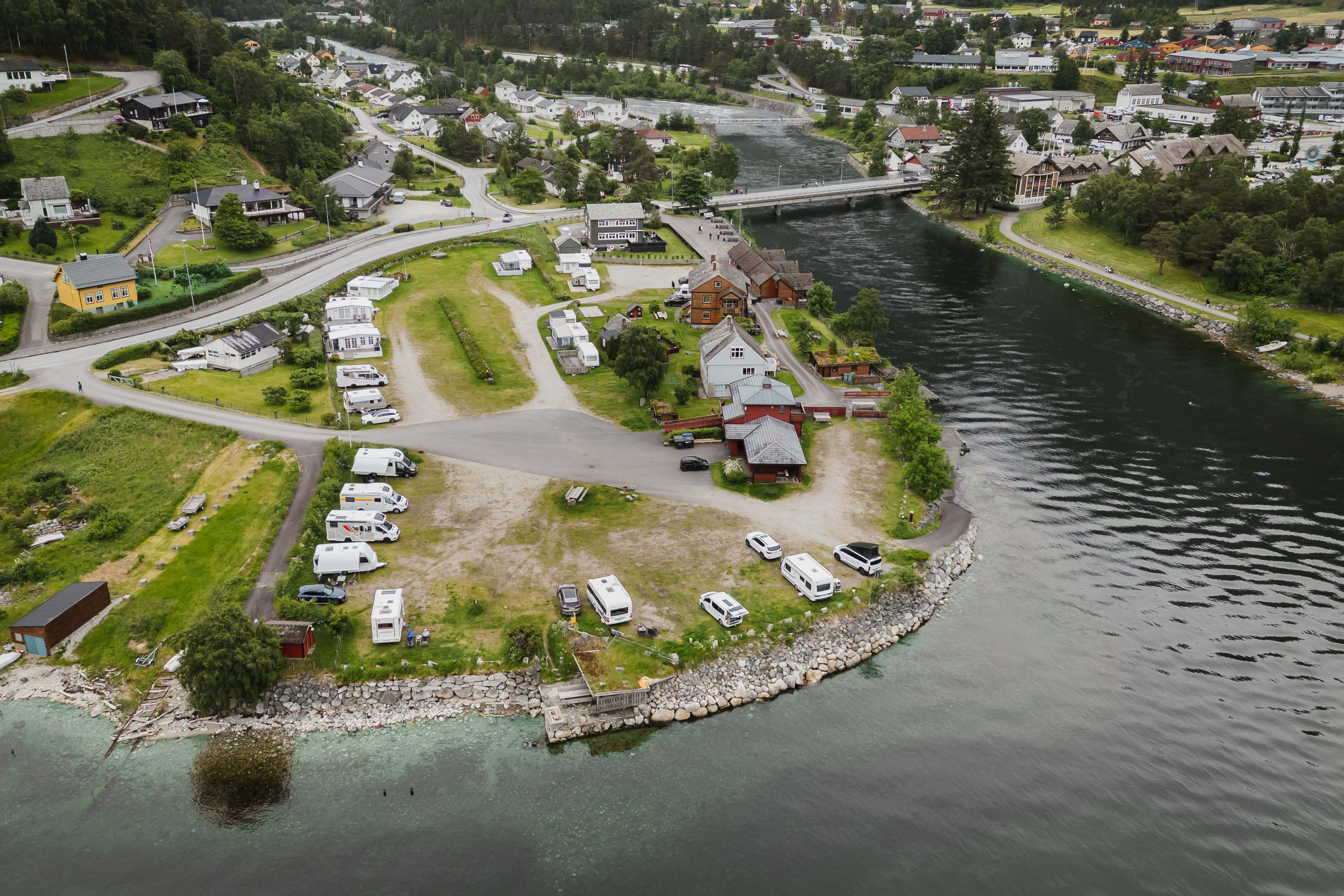
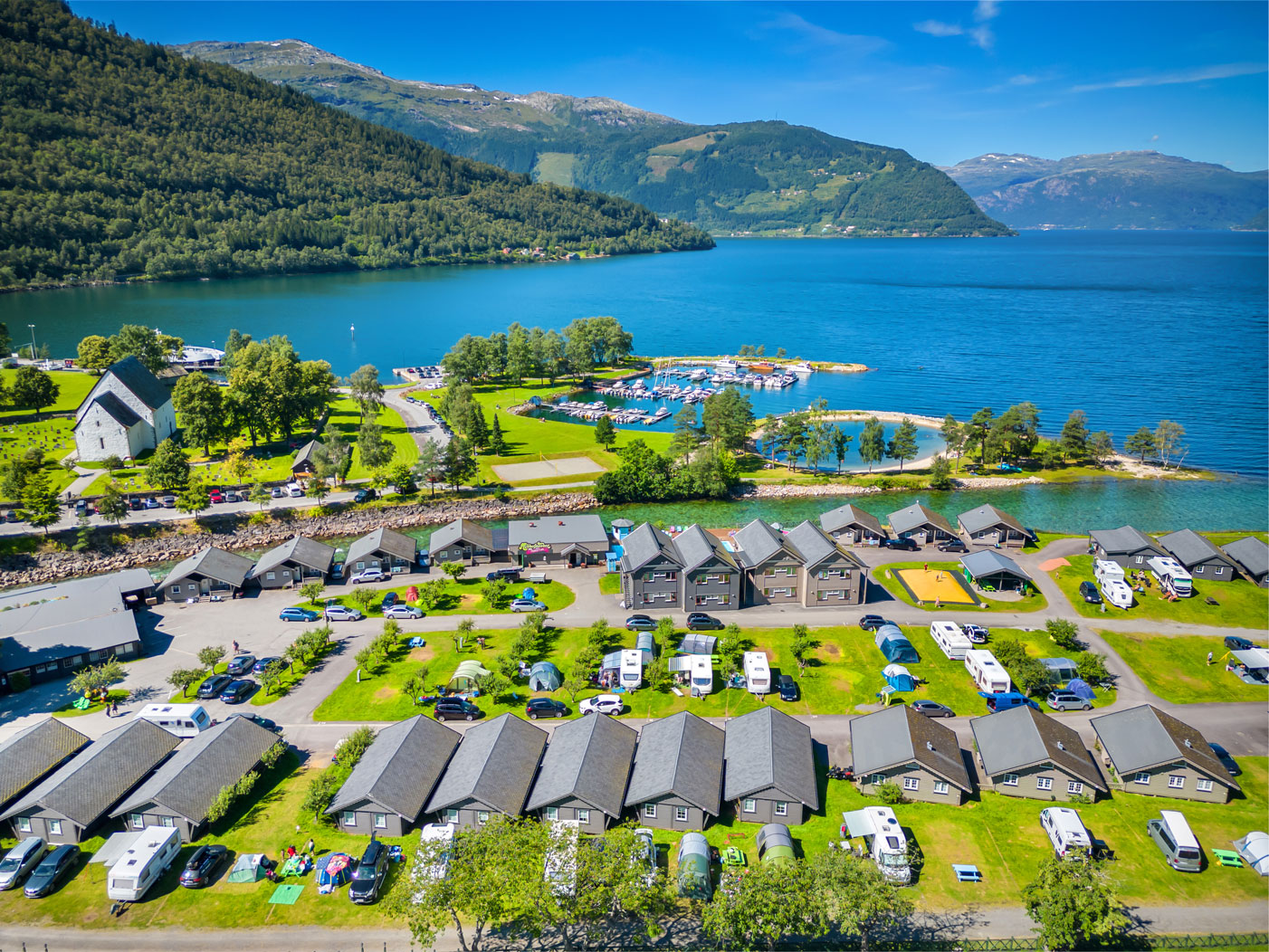
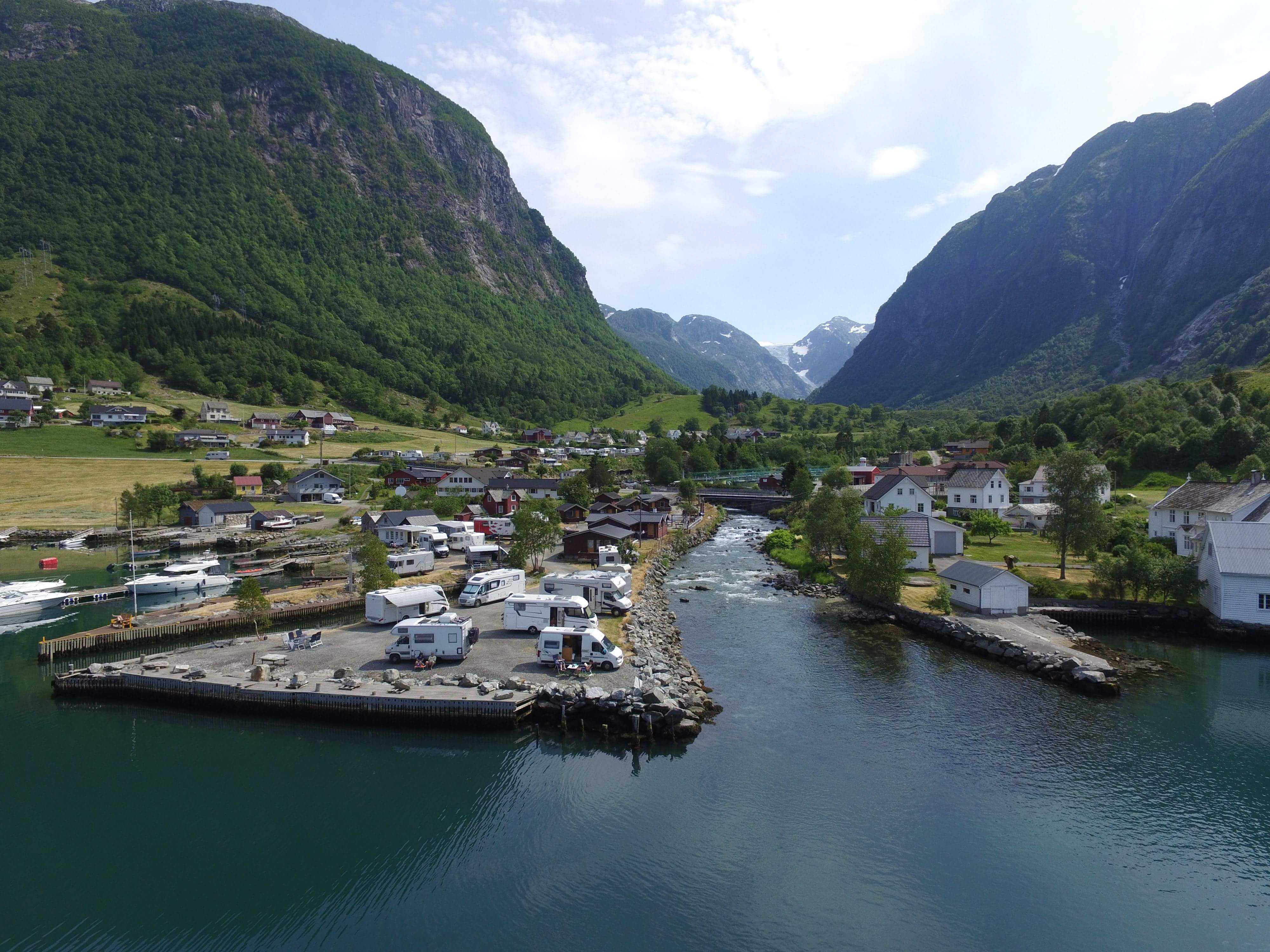
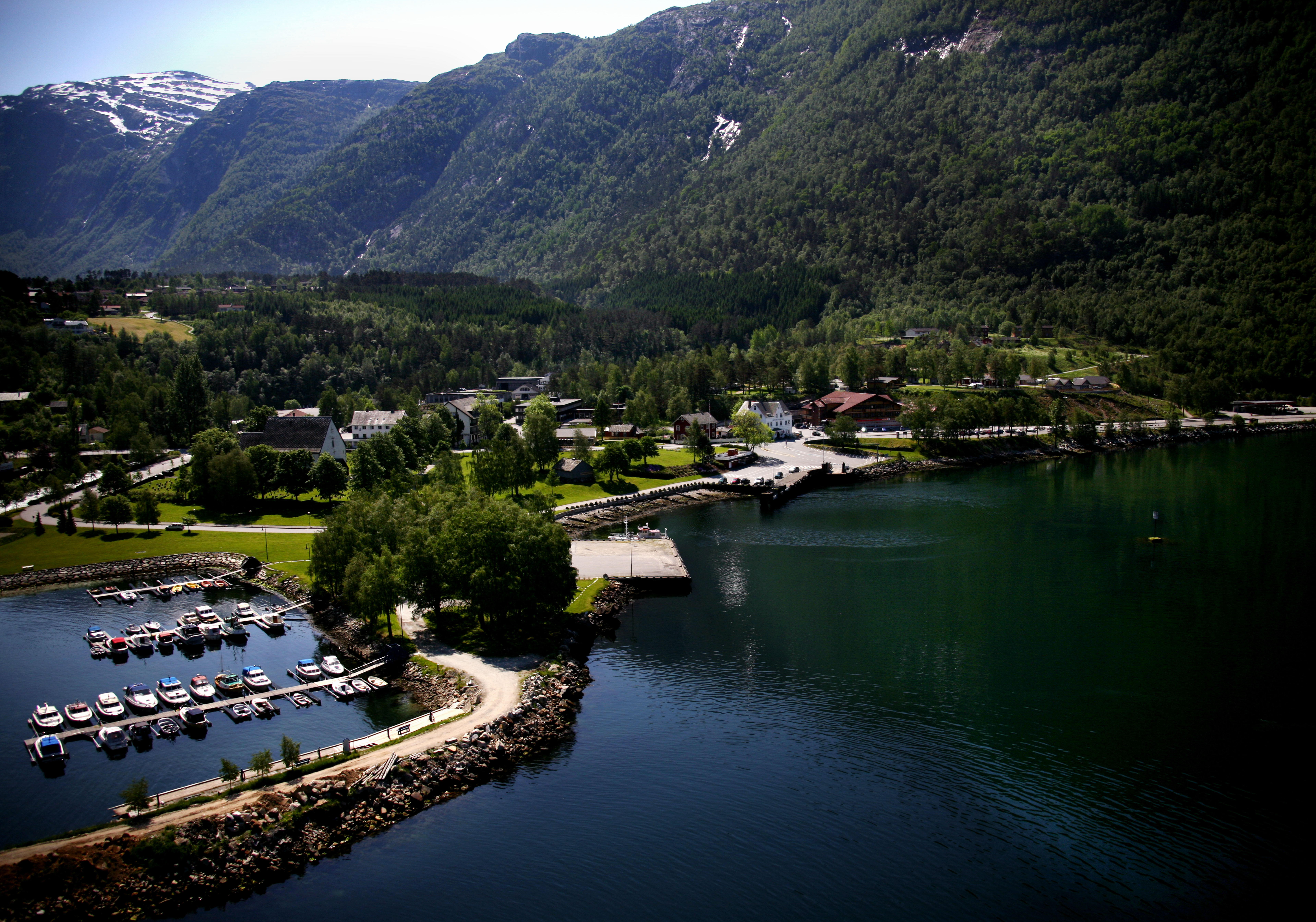
A large share of the campsites in Hardanger sit by the fjord - either directly on the Hardangerfjord itself or on one of its many arms. The Sørfjorden, the Eidfjord and the Maurangerfjord are all branches of the Hardangerfjord, and each has its own campsites - many with a dock, swimming spot, or boat and kayak rental. The range covers everything from small family-run sites to larger holiday centres with cabins, apartments and pitches for tents and motorhomes.
Most campsites in Hardanger sit by the fjord, but two stand out by being located high above sea level, surrounded by mountains and plateau. Both stay open year-round, with ski terrain in winter and hiking trails in summer.
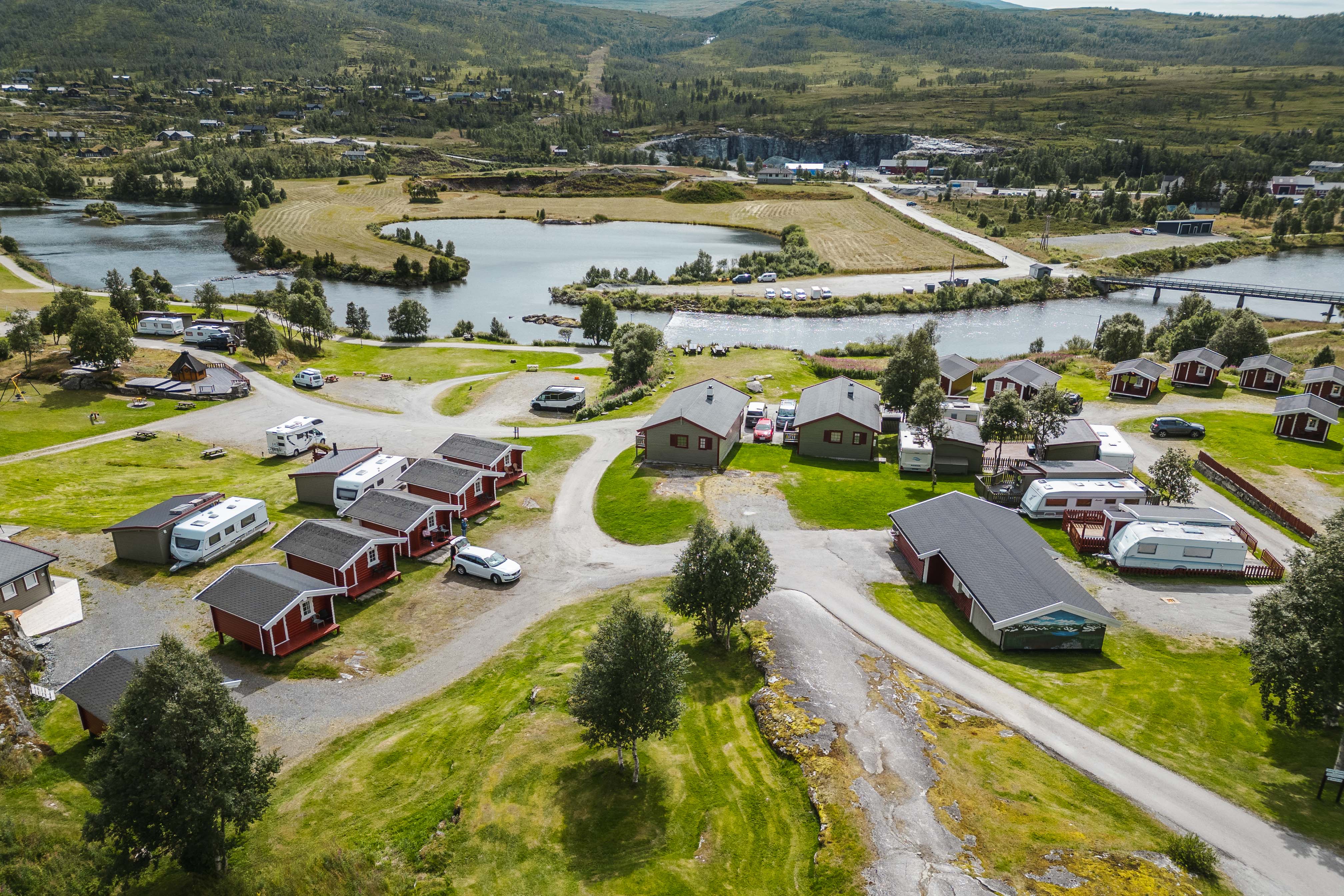
At 750 metres above sea level on the Hardangervidda mountain plateau - the largest mountain plateau in northern Europe - and just three kilometres from the Vøringsfossen waterfall, you will find Garen Camping. The year-round campsite has 28 cabins, a large camping area, sauna, communal room and a small grocery store, and serves as a base for hiking, fishing and hunting on the plateau in summer - and for cross-country and alpine skiing in winter.
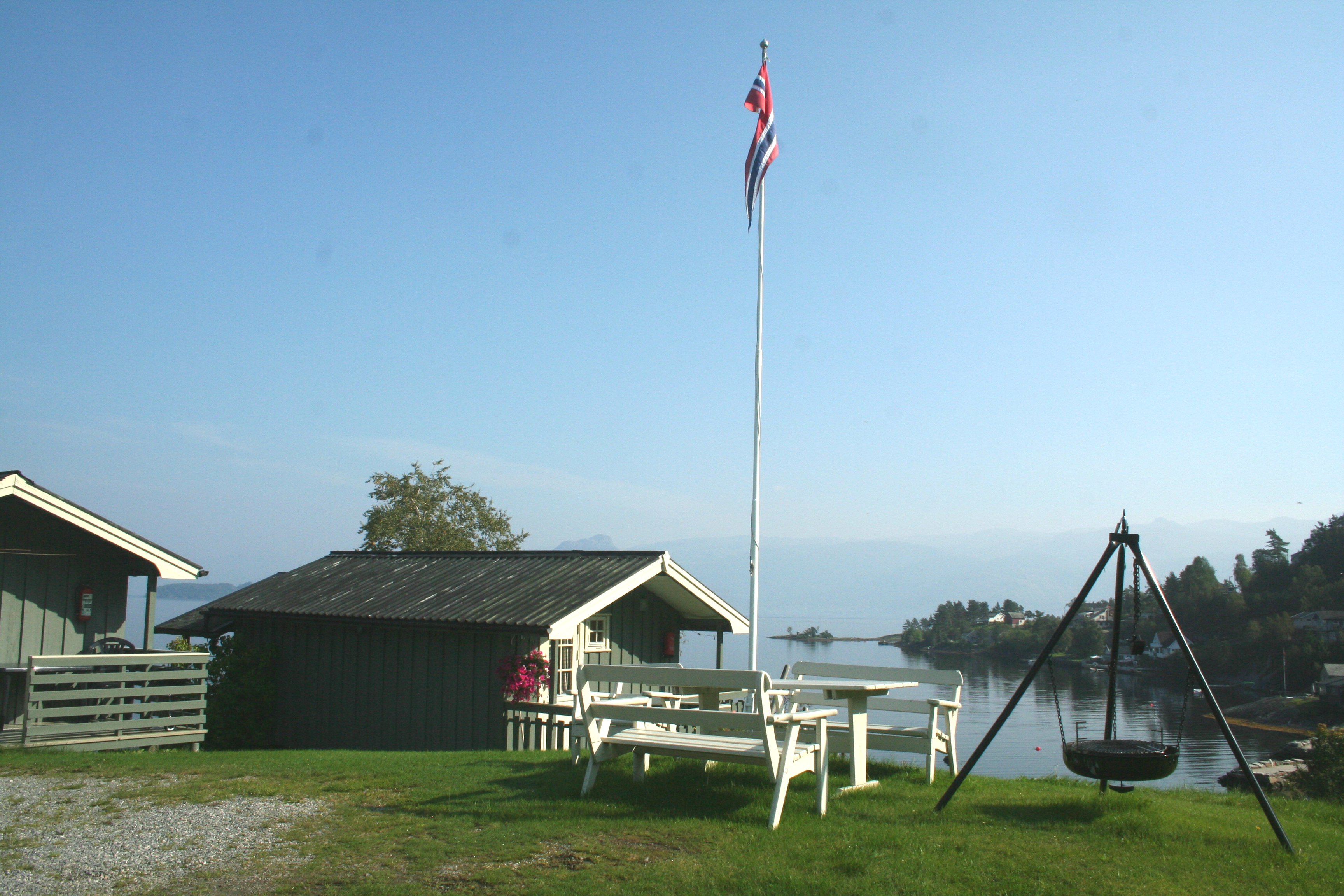
Seim Camping also welcomes guests throughout the year. The site is set in the mountain village of Røldal by the Røldalsvatnet lake, surrounded by high peaks and with its own stretch of shoreline. Three year-round cabins with modern amenities, four simpler camping cabins, and pitches for tents and motorhomes make up the offer. Røldal ski resort is nearby, and on the grounds lies a protected Iron Age burial field with 12 preserved grave mounds.
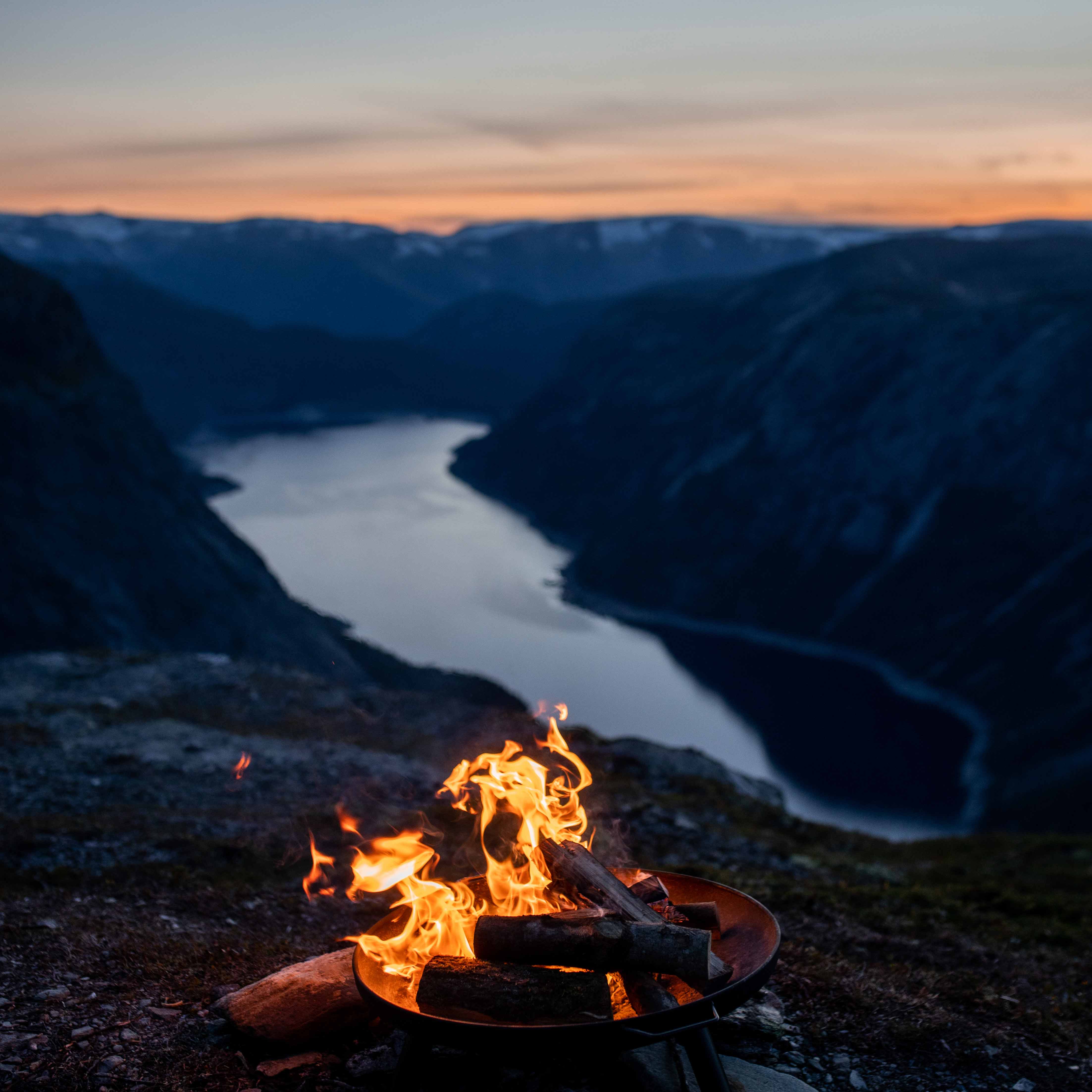
Experience Trolltunga at sunset and sunrise in a private group with your own guide. Trolltunga Adventures facilitates a fantastic overnight trip, where necessary equipment and food are included in the price.
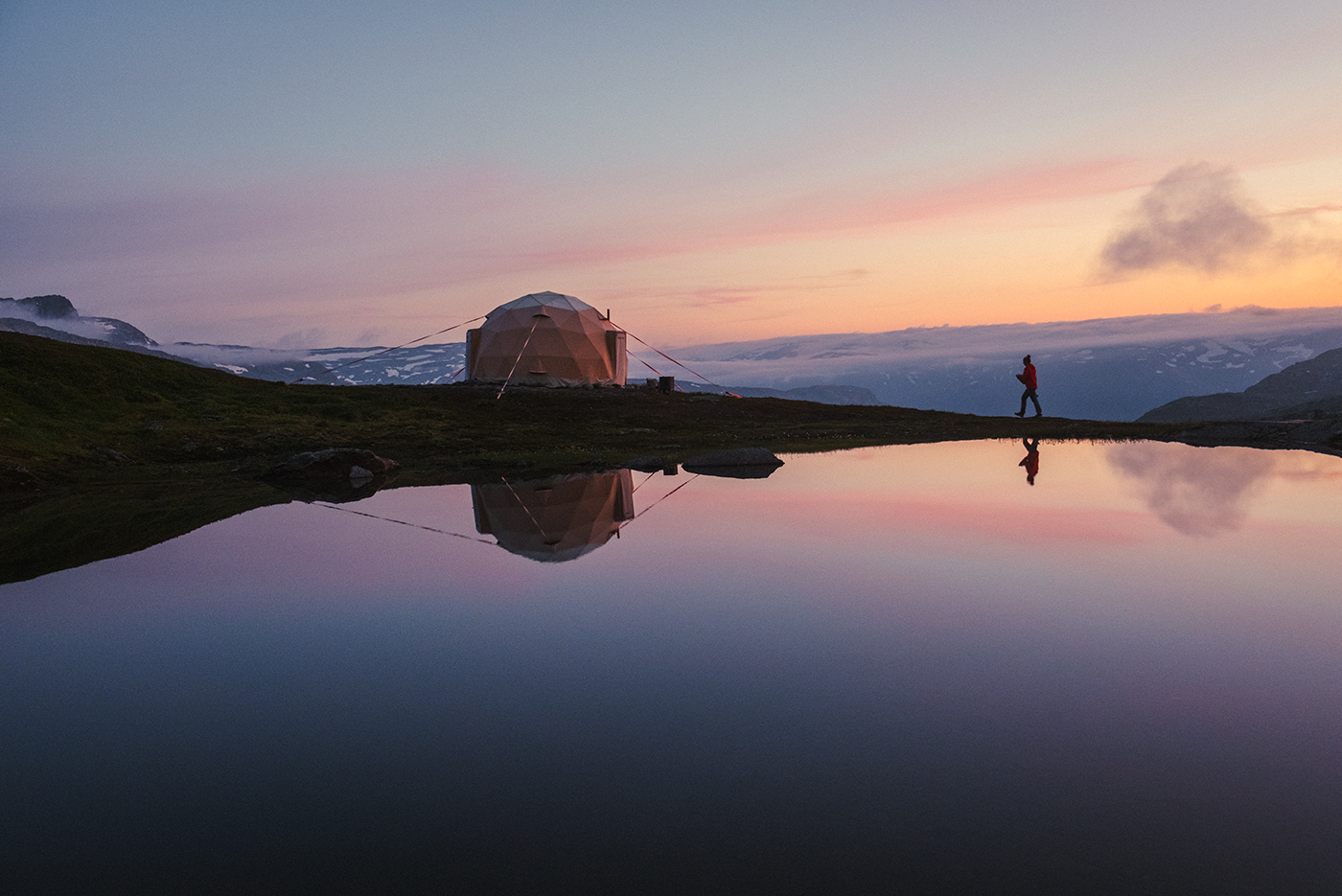
Experience Trolltunga together with experienced guides from Trolltunga Active - a spectacular mountain adventure with sunset, sunrise, and dome glamping near Trolltunga.
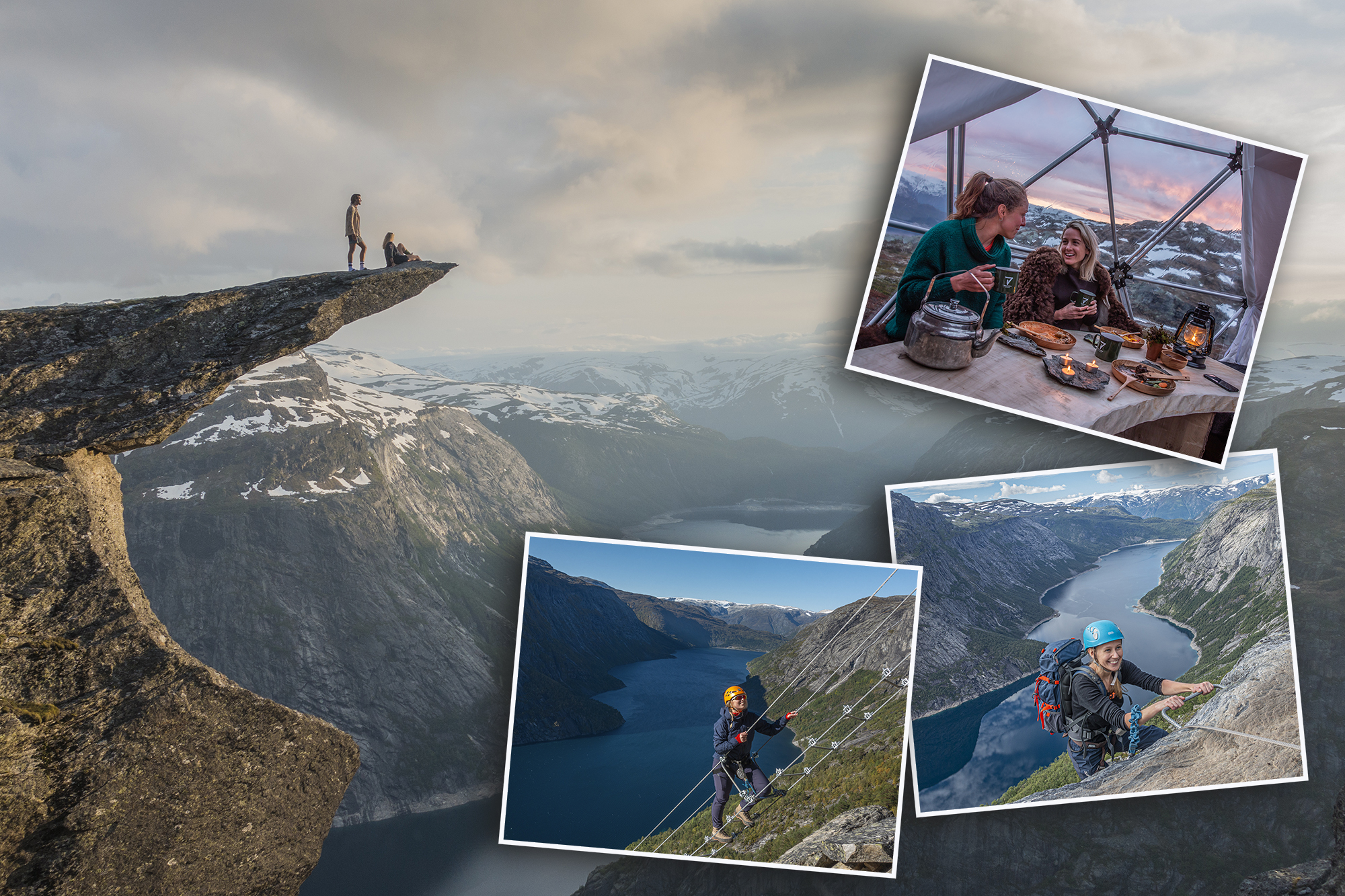
Experience Trolltunga together with experienced guides from Trolltunga Active - an exclusive mountain adventure featuring via ferrata, the Sky Ladder, sunset views, and glamping in a transparent dome.
For visitors who want to get one step closer to nature, there are other ways to spend the night outdoors in Hardanger. Trolltunga Adventures and Trolltunga Active both offer guided overnight tours at private camps and glamping domes near Trolltunga, with guides, equipment and meals included. For those who prefer to pitch a tent on their own, Norway's right to roam (allemannsretten) allows wild camping on uncultivated land, as long as you stay at least 150 metres from the nearest house or cabin and do not stay more than two nights in the same spot without permission. Always check for signs, and if in doubt, ask the nearest landowner or a local - most people in Hardanger are happy to tell you whether an area is suitable for camping.
The main season runs from May to September. A handful of campsites stay open year-round - see the full overview of winter accommodation. For more on what to do in Hardanger in winter, see winter in Hardanger.
In July and August, and during the fruit blossom in May, it is wise to book ahead. Cabins should always be reserved well in advance. Outside peak weeks, pitches are usually available on arrival.
Camping in Hardanger comes in a wide range of prices, depending on season, type of pitch, and whether you stay in a cabin, tent or motorhome. Many campsites charge extra for electricity, showers and waste disposal - check what is included in the pitch fee.
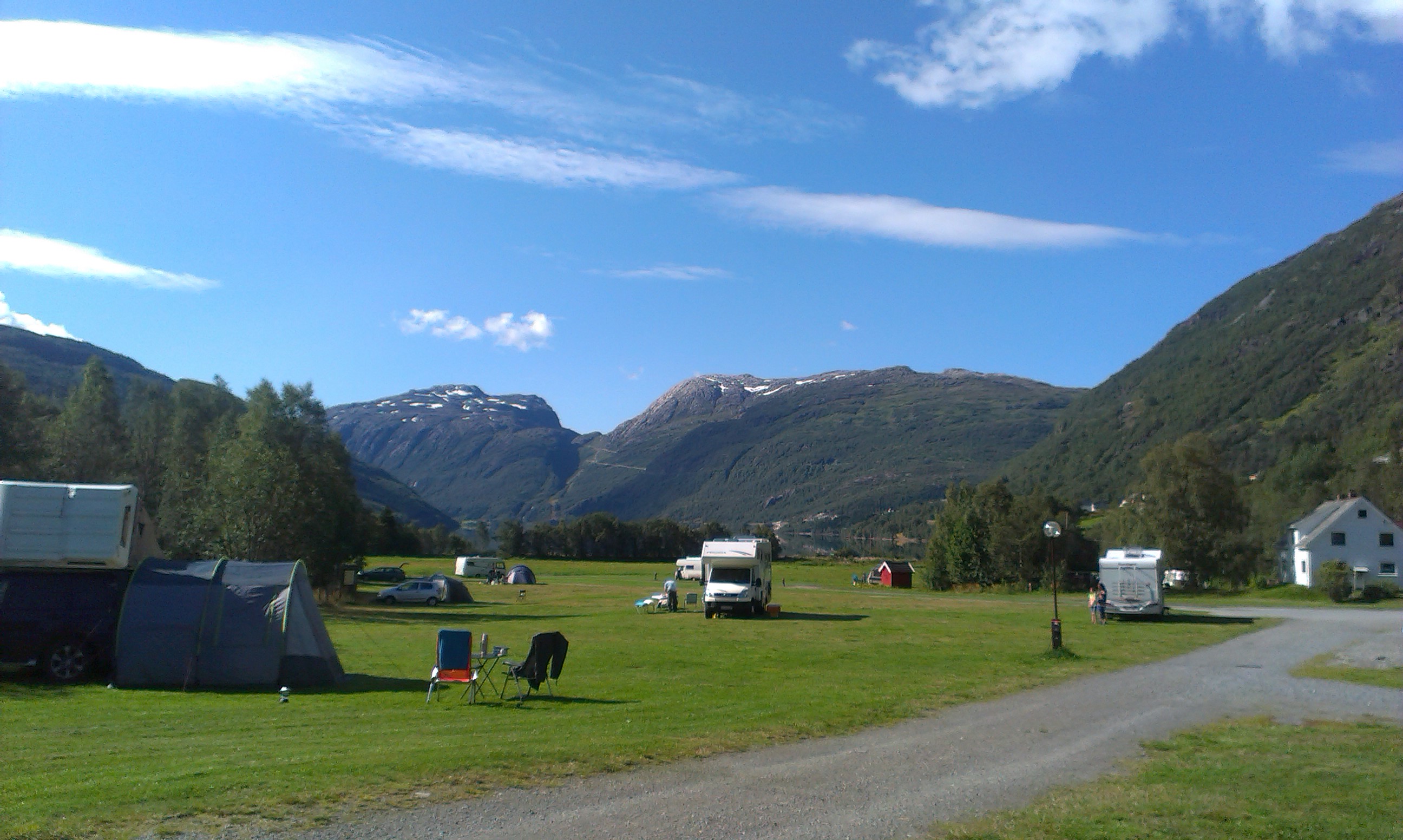
Most campsites have sanitary buildings, kitchens, laundry rooms and waste disposal stations for motorhomes. Larger holiday centres often also have playgrounds, swimming spots, canoe or boat rental, and guest docks.
Camping in Hardanger means staying close to fjords, glaciers and waterfalls in western Norway, with most campsites set either along the Hardangerfjord or near major hiking attractions like Trolltunga, Vøringsfossen and Folgefonna. The region has a wide range of member campsites that offer everything from grass pitches for tents and motorhomes to simple cabins and modern family huts. Distances are short - in a single day you can drive from a fjord-side campsite to the Hardangervidda mountain plateau, which is the largest mountain plateau in northern Europe. Most campsites are family-run and operate from May to September, though several remain open year-round.
Yes, wild camping with a tent is legal in Hardanger under Norway's right to roam (allemannsretten), as long as you camp on uncultivated land, stay at least 150 metres from the nearest house or cabin, and do not stay more than two nights in the same spot without the landowner's permission. The right to roam does not apply to motorhomes or campervans, which must use designated parking areas or campsites. Open fires are prohibited in or near forests and grasslands from 15 April to 15 September.
Wild camping is permitted on parts of the Trolltunga plateau, but campers must stay on designated tent sites marked on the official Trolltunga map, downhill from the trails and away from streams and lakes. The terrain is exposed, weather changes quickly, and there are no facilities, so it is a serious undertaking. A safer and more comfortable option for most visitors is to join a guided overnight tour with Trolltunga Adventures or Trolltunga Active, both of which operate private camps and glamping domes near Trolltunga with experienced guides, equipment and meals included.
Camping in Hardanger comes in a wide range of prices depending on season, type of pitch and what kind of cabin or tent you stay in. As a general rule, campsites are significantly cheaper than hotels but more expensive than wild camping. Most campsites charge extra for electricity, showers and waste disposal, so it is worth checking what is included in the pitch fee. Prices are highest in July and August.
The main camping season in Hardanger runs from May to September, with July and August as the busiest months. Many campsites open in time for the fruit blossom in May, when the orchards along the Sørfjorden turn white and pink. A handful of campsites also stay open year-round, though this varies from season to season. Click here for a full overview.
Booking ahead is recommended in July and August, especially at campsites near Trolltunga, Vøringsfossen and the Hardanger Bridge. Cabins should always be booked well in advance, while tent and motorhome pitches are often available on arrival outside the peak weeks. For the fruit blossom in May, weekend bookings fill up quickly.
A handful of campsites in Hardanger stay open all year, but this varies from season to season. Click here for a full overview. Winter camping in Hardanger gives access to skiing at Røldal Ski Resort, as well as snow-covered hiking trails on Hardangervidda.
Trolltunga Camping in Odda is the closest campsite to the Trolltunga trailhead, about 15 km from the starting point at Skjeggedal, and the Trolltunga shuttle bus passes the campsite during the high season. Hildal Camping, ten kilometres north of Odda along the same valley, is a simpler alternative for those who want a quieter base. Kinsarvik Camping by the Hardangerfjord is also a good option, especially for visitors who want to combine Trolltunga with hikes in Husedalen or along Dronningstien.
Most campsites in Hardanger have waste disposal stations (tømmestasjon) on site, and many allow non-guests to use them for a small fee. Public stations are also available in several town centres, including Odda. Hildal Camping in the Odda valley is one exception - it does not have its own disposal facility and refers motorhome guests to the harbour in Odda town centre.
Yes. Garen Camping is located directly on the Hardangervidda plateau along Norwegian National Road 7, at 750 metres above sea level and three kilometres from the Vøringsfossen waterfall. Seim Camping sits in the mountain village of Røldal next to Røldalsvatnet lake, surrounded by high peaks and close to Røldal Ski Resort. Folgefonn Hytter og Gardscamping in Jondal is set on a farm at the road up to the Folgefonna glacier, a popular base for guided glacier hikes.

The Hardangerfjord region is also known as "the kingdom of waterfalls," and it is not without reason. In Hardanger, you will find several of the most spectacular waterfalls Norway has to offer.

Discover two of Norway’s most beautiful drives – from fjordside orchards to dramatic mountain passes.

Trolltunga, Dronningstien, Lake Bondhusvatnet, Mount Oksen. There is no shortage of well-known hikes in Hardanger. Here in the region, you will find several of the most popular and spectacular hikes Norway has to offer.

Explore the Hardangerfjord region on a family vacation with your children! Get great tips for exciting and child-friendly experiences that are perfect for the whole family.

Experience several hundred thousand fruit trees in full blossom in Hardanger during the spring. A more beautiful sight is hard to come by.

Some things just belong together! It is the same with fruit and Hardanger.

Fjord safaris with farm visits, private fjord cruises, speedy rib boat rides, meditative kayaking – With 179 km of fjord there are plenty of adventures to explore on the Hardangerfjord.

In Hardanger, you will find the most spectacular rock formation in Norway. When standing on the plateau and floating 700 meters above lake Ringedalsvatnet, it is easy to understand why tourists from all over the world co...

From cider and apple juice to lamb meat, cured sausages, and jams, Hardanger is a region with rich traditions when it comes to food and drink.

Hardanger isn’t only a favorite in summer. Winter brings powerful experiences in a quieter, clearer landscape. Here you’ll find both active winter adventures and places to slow down and recharge, and we’ve gathered what ...