

Jon Aga grew up in Ålvik, cooked along the Helgeland coast and ran his own hotel. Then he sold it all and moved home to Hardanger. Today it's mountain trout with cider sauce and apples from nearby farms that matter.
Jon Aga sits in the restaurant at Rosendal Fjordhotell, the fjord stretching out beyond the windows. He grew up in Ålvik, on the Hardangerfjord, while his grandparents lived in Aga on the Sørfjord — deep in Hardanger's orchard country. The fjord, the apple trees and the valleys were everyday life. Hardanger has always held a strong pull on him.
But first he took a detour. On the Helgeland coast he ran the Vega Havhotell, became a familiar face on Norwegian food television and published his own cookbook. His work turning food into an experience earned him the Norwegian Tourism Award. Then he sold up and came home — first to the Utne Hotel, one of the oldest coaching inns in Norway, and later to Rosendal Fjordhotell.
"Twenty years away, and you grow a little bound to a place," he says.

When Jon talks about the ingredients of Hardanger, it's the apples he comes back to first. Not as a garnish on the plate, but as the very foundation of several of his dishes.
"We have a cider sauce we use for mountain trout and for white fish. Mountain trout with cider sauce — that's one of our signature dishes," he says. The sauce is built on dry Hardanger cider, shallots and butter — simple in structure, but wholly dependent on the cider having character. In Hardanger, Norway's orchard region, apples are the foundation, not the flourish.
And it doesn't stop there. For dessert he serves an apple fondant — the same idea as a chocolate fondant, but with apple instead. The fruit valley makes itself felt from starter to dessert.
Salad, herbs and edible flowers come from farms near the hotel. Fish comes from the fjord and from local aquaculture in Hardanger. Jon mentions it without fanfare, as though it were obvious. To him, it is.

It's when Jon talks about preparation that all those years of experience really show. Every fish dish at Rosendal Fjordhotell is baked at under 90°C.
"We use temperature as a friend. You don't cook the fat out of the fish. A lot of people bake fish at 280 degrees, but then you lose the juices," he explains. He has experimented with low-temperature cooking for years — a technique he has refined over time, and guests notice the difference.
And they say so. Jon says his guests — especially those from inland Norway and from abroad — are "starved for fresh fish." The feedback is the same every time: how tender the fish is, how different it tastes from what they're used to.
"They should remember the taste when they get home," he says.

Behind the everyday dishes lies a clear philosophy. Jon wants the food at Rosendal Fjordhotell to be rooted in the place — not a copy of what someone else is already doing.
"We always anchor our dishes in our own image. We don't serve dishes that already exist at other restaurants or hotels — we want to be proud to offer a food concept that is entirely our own," he writes in his own note on the hotel's food philosophy.
In practice that means a blend of classic Norwegian cooking and what he picked up during his years away: fermentation, new techniques, plant-based touches — but always with Hardanger as the starting point.
He brings this to life at Restaurant Baronen. The restaurant looks out over the Hardangerfjord, and the menu shifts with the seasons — from the first cherries in summer to apples and game in autumn. Jon wants a meal to be more than just a meal: themed evenings, the stories behind the ingredients, and a closer bond between the guest and the landscape outside the window.

And when the working day is done? At home, it's not seafood artistry that rules.
"You get so tired of it. We stand in the cooking smoke all day — fish, meat, sauces. I taste the food here, but I don't sit down and eat it. We'd sooner have a cup of cocoa," he says, laughing.
But on his days off, when he and his partner take their time, there's one dish that beats everything:
"Kumle and cured meat. It's wonderful." Kumle — traditional Norwegian potato dumplings — is honest, homely comfort food, the kind you grow up on.
The chef who experiments with apple fondants and low-temperature cooking longs, himself, for the simplest of the simple.

Jon grew up in Hardanger and knows the region well. Ask him what visitors should do in Rosendal, and he has clear favourites.
"When you walk into Steinparken and see all the different kinds of stone — it's wonderful. And then there's the nature all around. All these beautiful valleys you can't see from the village. You have to climb, and then it opens up."
He points to the hiking up the valleys, the good fishing rivers, and what he calls the flat trails that don't ask you to climb from sea level to 900 metres. For those who want to go higher, the summit hike up Malmangernuten rewards you with views across the fjord, or a walk in to Hattebergsfossen in the valley behind Baroniet Rosendal. Melderskin is another classic for anyone after a proper day's climb.

Rosendal Fjordhotell — Book your stay
Restaurant Baronen — See the menu and reserve a table
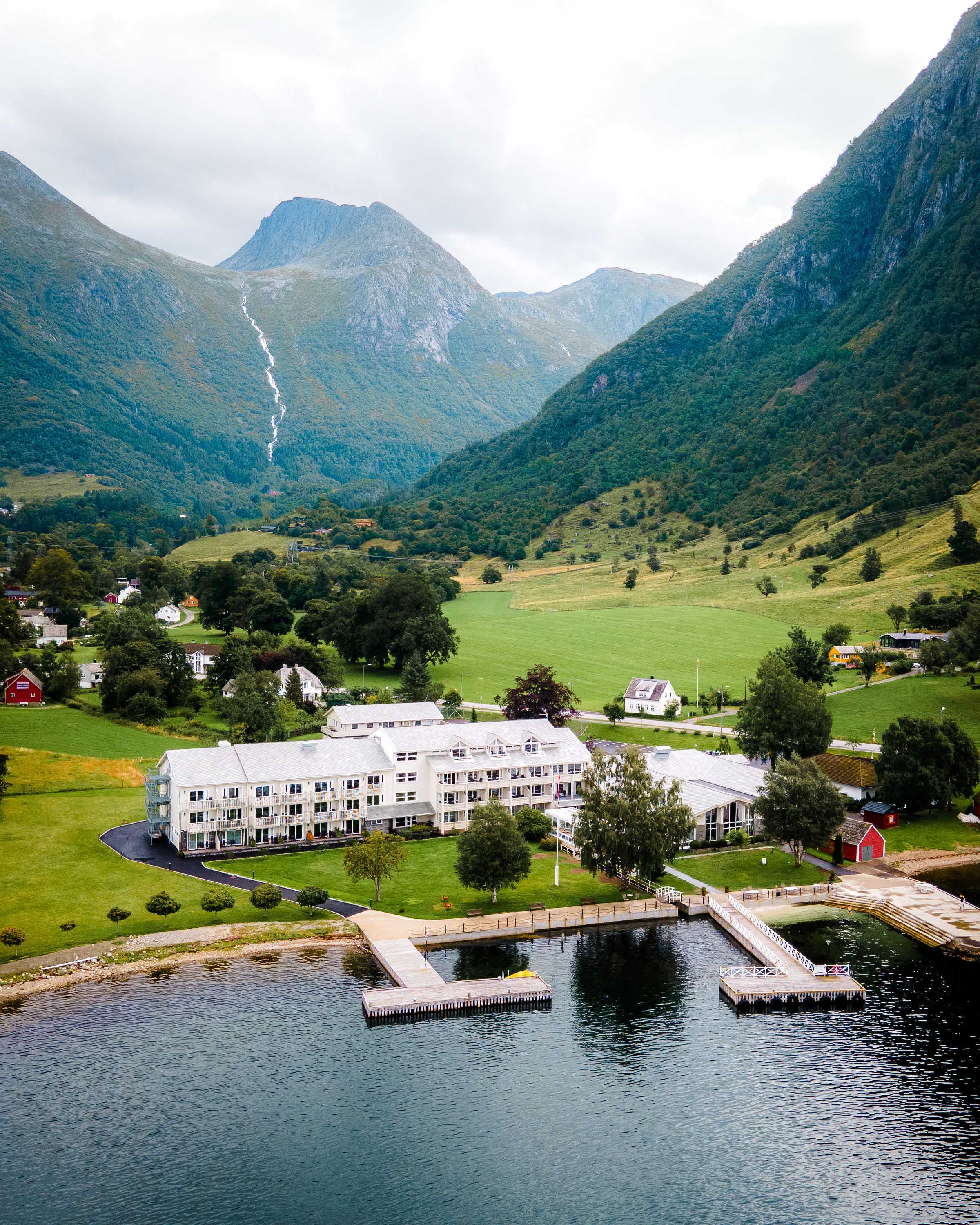
Experience the Spectacular combination of Fjord, Mountains, and Culture at Rosendal Fjordhotel – a Modern Hotel with an Unbeatable Location by the Hardangerfjord.
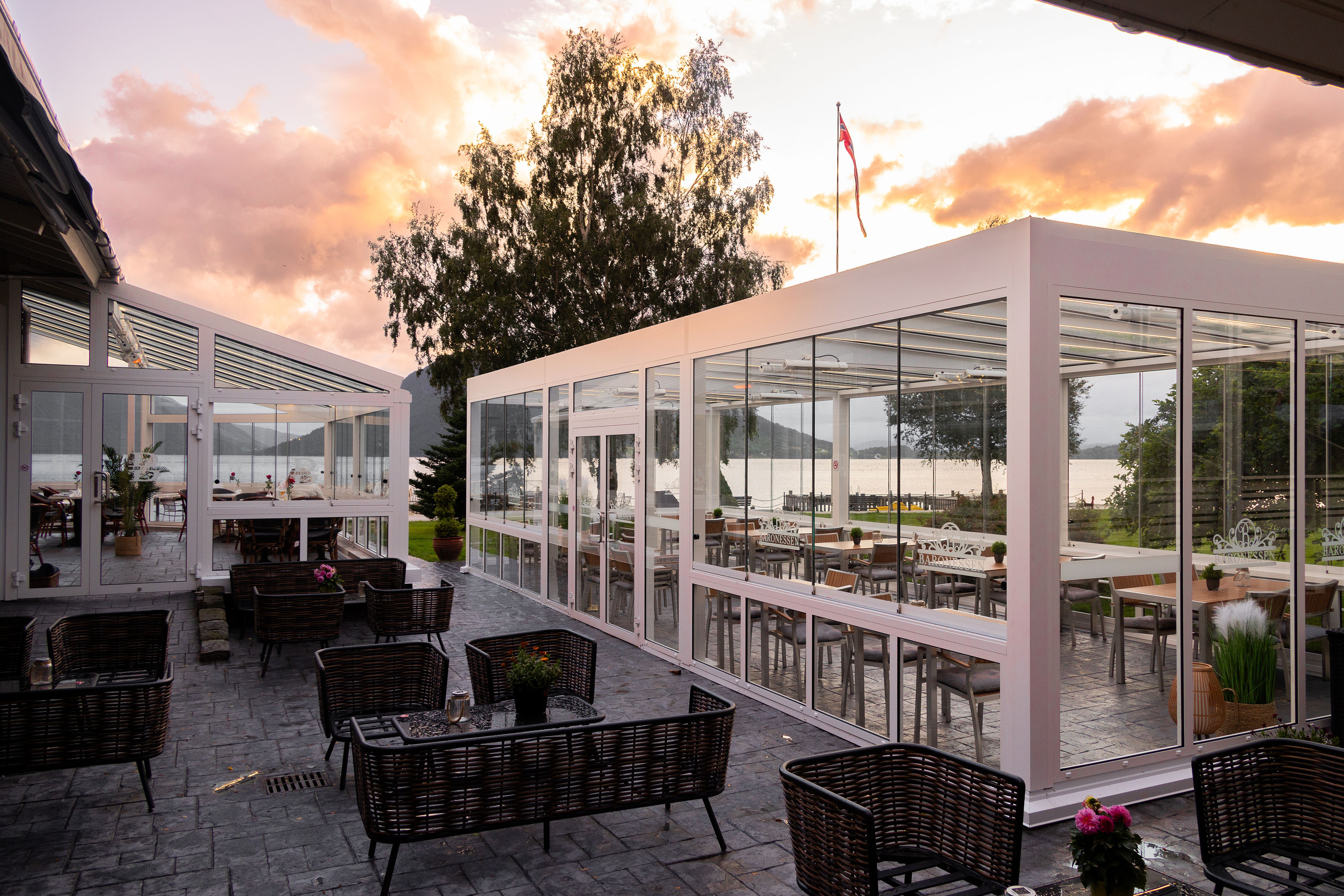
Restaurant Baronen at Rosendal Fjordhotel offers flavorful meals in beautiful surroundings, with panoramic views of the Hardangerfjord.
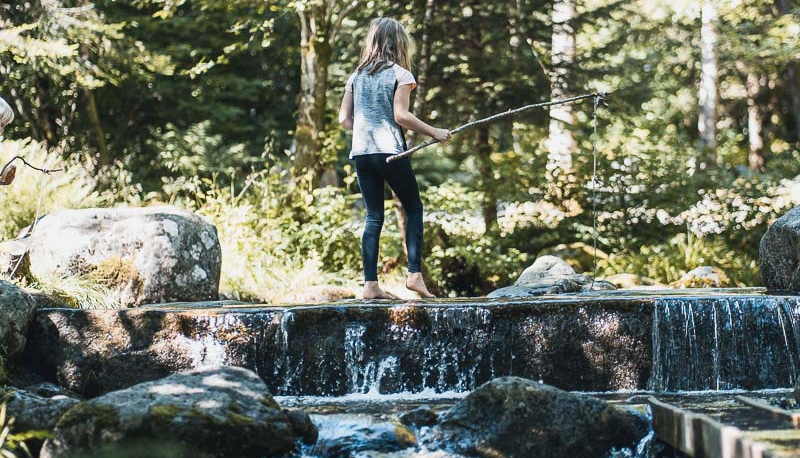
The stone park is located centrally in Rosendal and is connected to the Folgefonna National Park. Here you can see a collection of different types of stone from the region and exhibitions with prehistoric themes.
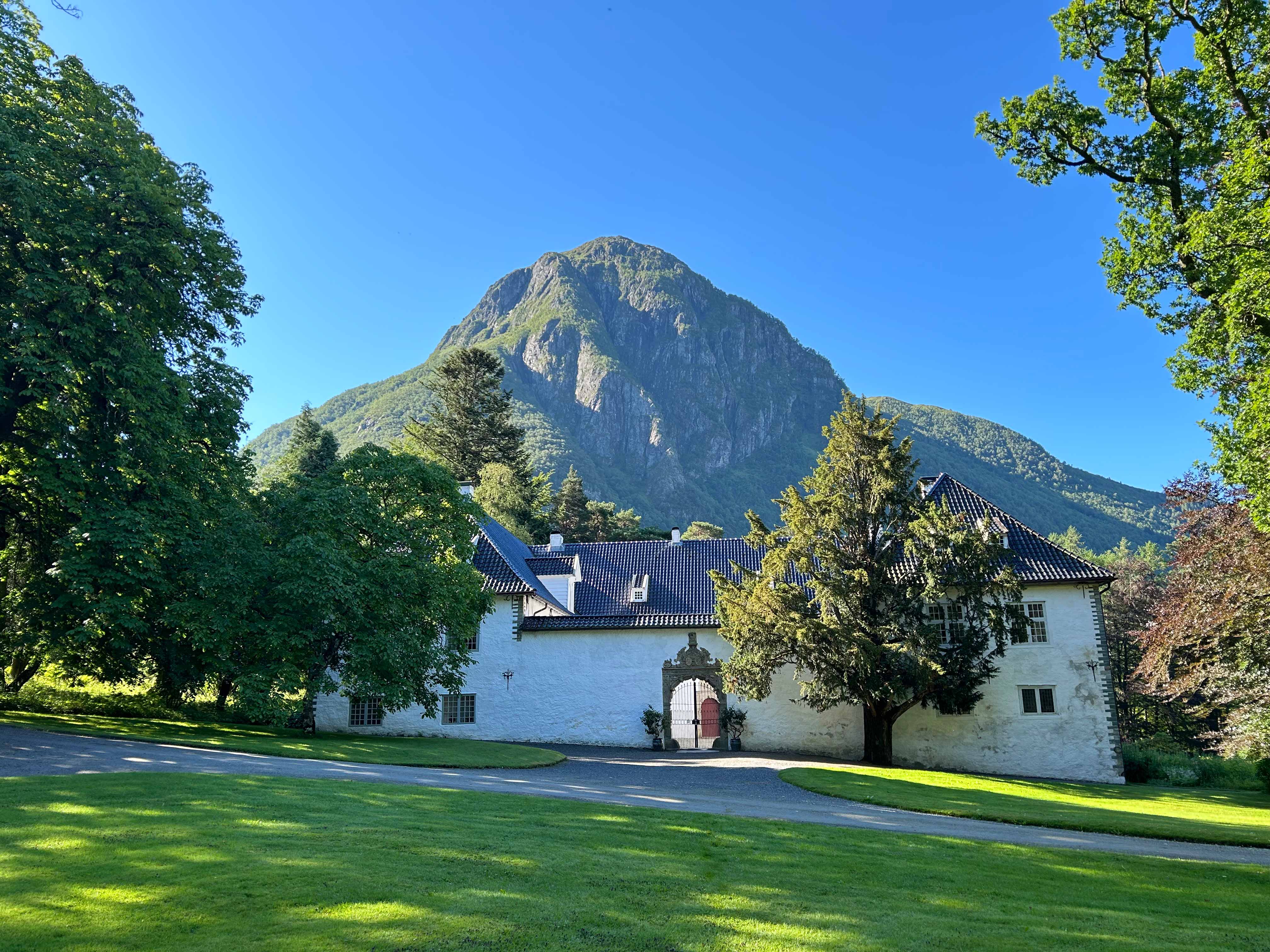
Baroniet Rosendal is Norway's only barony and Scandinavia's smallest castle. The barony is centrally located in Rosendal and is known for its cultural program and its rose garden.
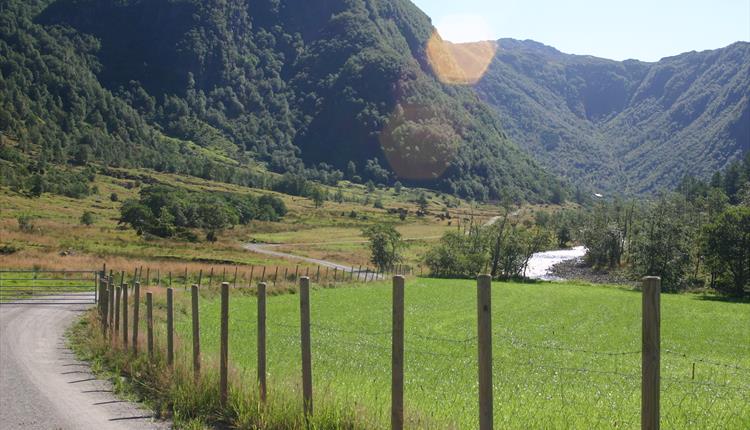
Location Rosendal. Overview Through the Baronihagen Park to the main road behind the Baroniet. On a quality gravel road past the Hatteberg farms and through Hattebergsdalen to Murabotnen where the road ends. ...
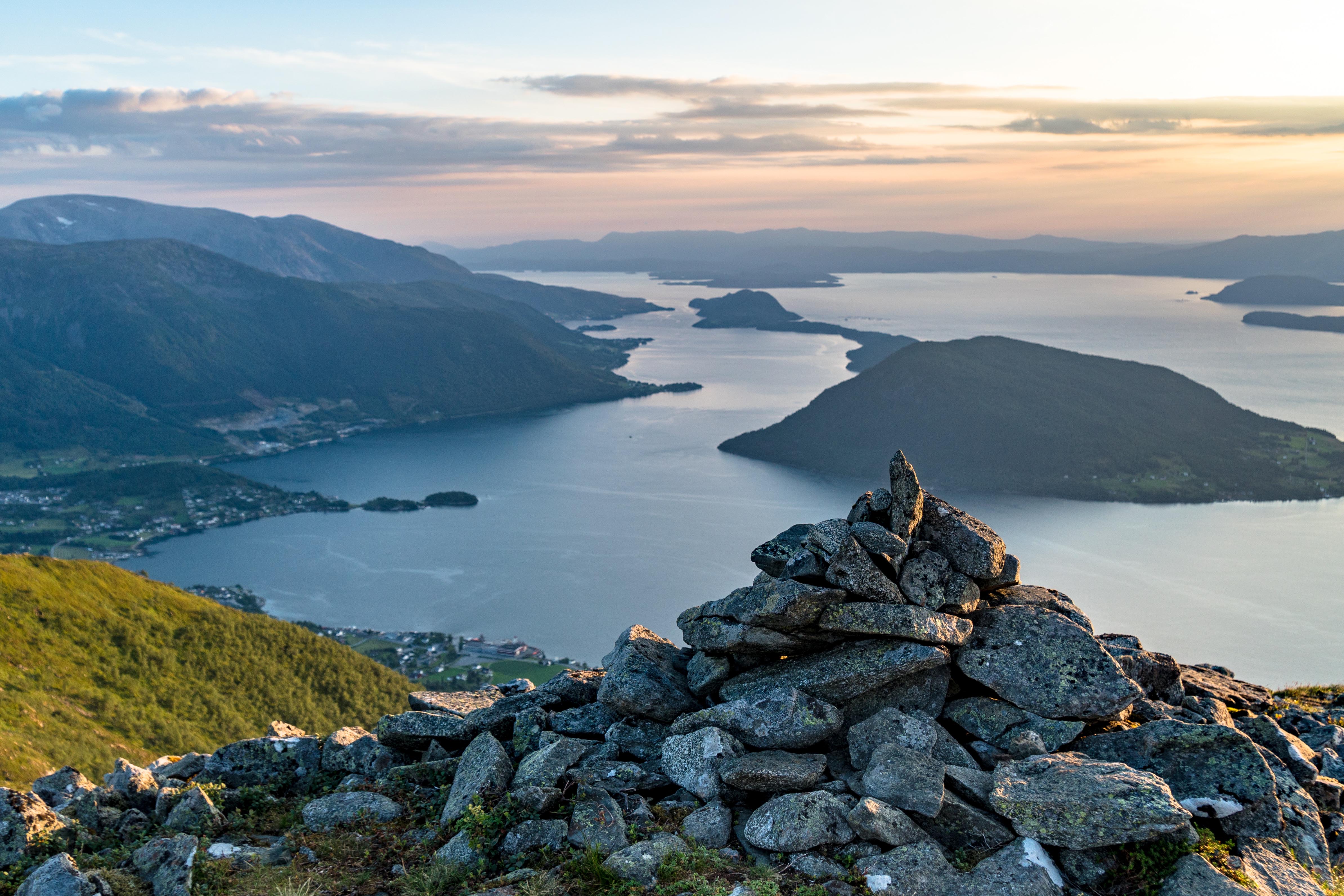
The Malmangernuten hike, which takes about 4 hours in total, can be started from the Rosendal Fjordhotel in Rosendal. The summit is at 890 meters above sea level and from here you have a great view over Rosendal, the neighboring towns and the Hardangerfjord.
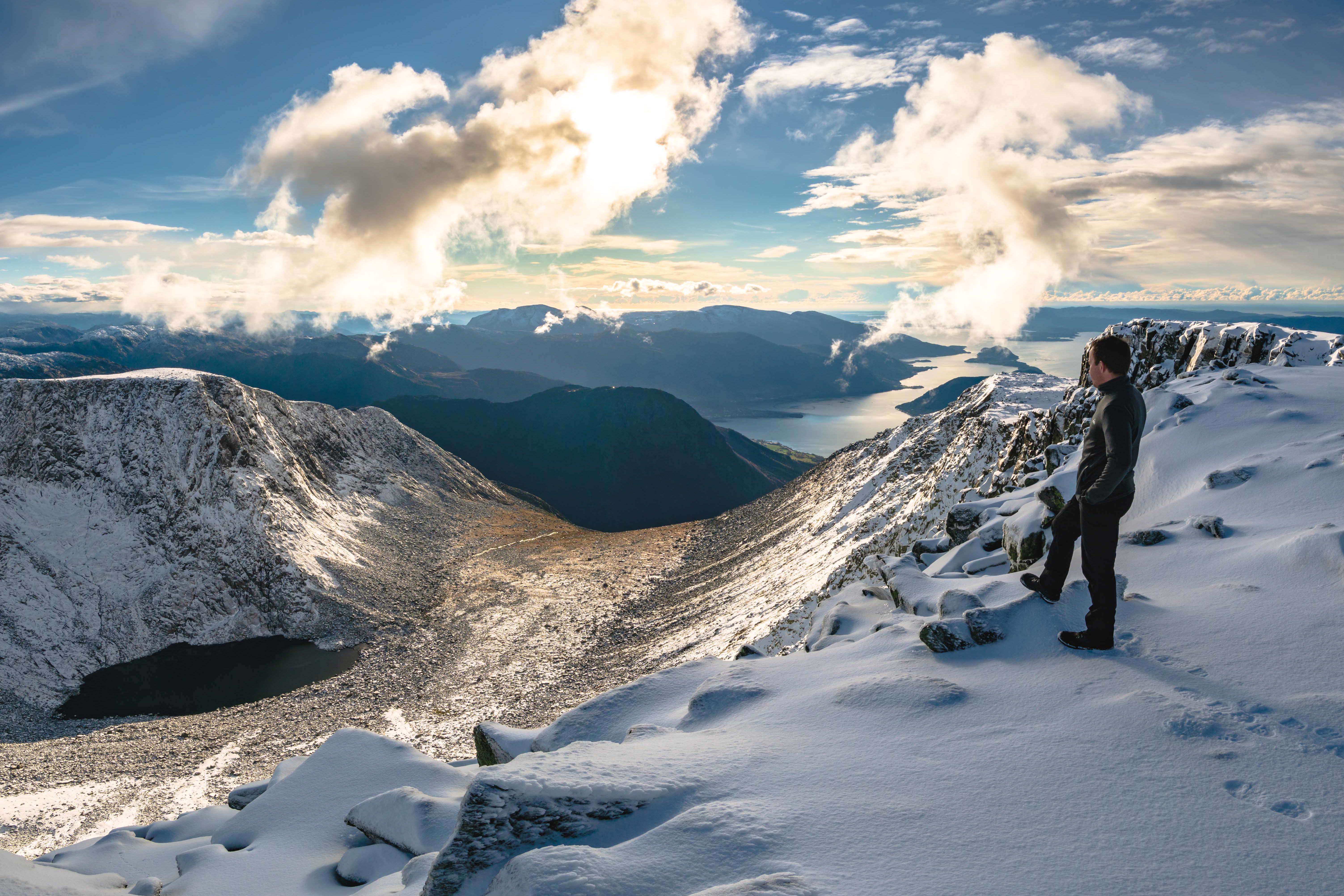
The Melderskin hike starts from the center in Rosendal, in Kvinnherad. The hike up takes about 4 hours, and from the 1426-meter-high summit you have a fantastic view of the sea, the fjord, the surrounding mountain landscape, and parts of the Folgefonn Glacier.
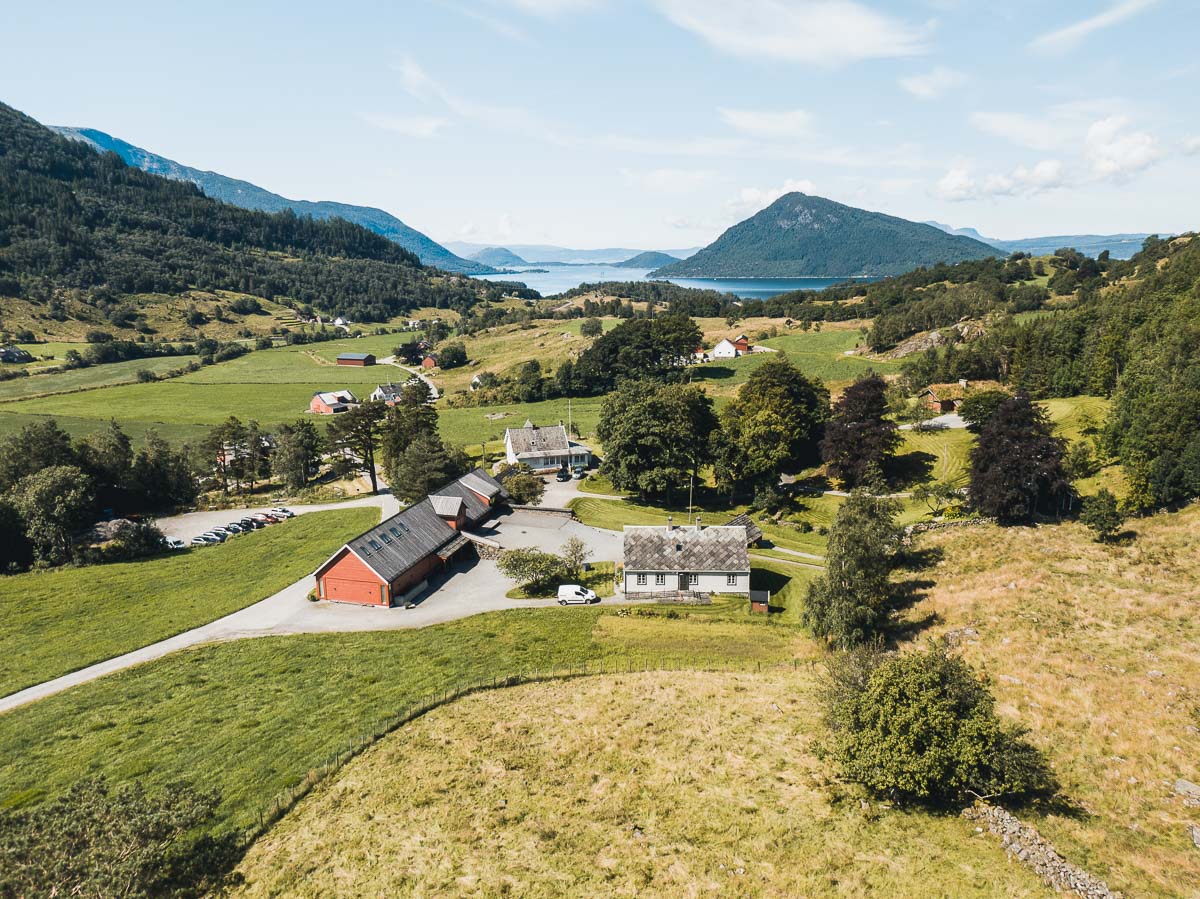
Just 5 km from Rosendal, Guddalstunet offers an art gallery, accommodation, and dining in beautiful surroundings. Experience exhibitions by national and international artists and stay in the renovated Vangshuset.
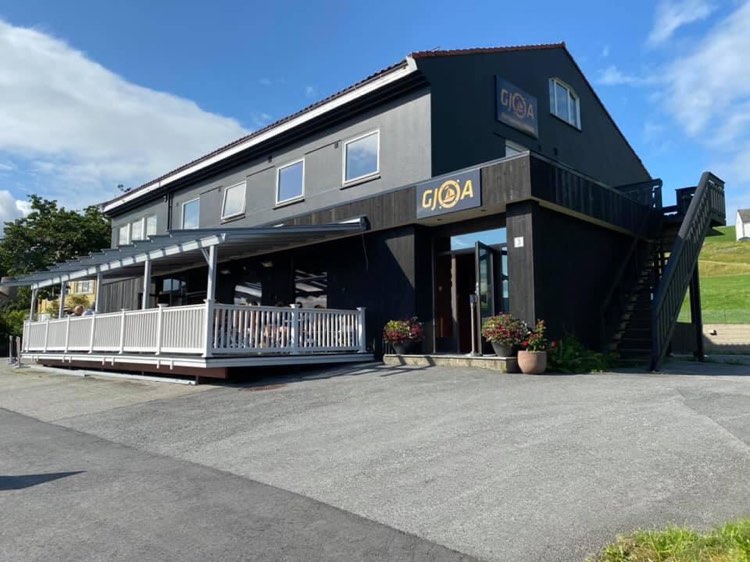
Experience the taste of Western Norway at Gjøa Sjømat – a charming restaurant in Rosendal serving traditional seafood and more, in an inviting and cozy atmosphere.


