


Five kilometres from Rosendal, the road climbs into a narrow valley thick with birch. A sign mentions a gallery — but gives nothing away.
Guddalstunet. Over a thousand years old. One of the last surviving cluster farms in Norway — once home to 54 buildings gathered around a shared farmyard.
Behind the old barn door, a different space opens up. White walls, double-height ceilings, and contemporary art of national standing.
Art for everyone, they say here. Not as a slogan — as a way of running a gallery.
Gallery, shop, café — and a farmyard to wander. Someone has made sure you'll want to stay.
It looks like an old barn on a mountain farm. But behind the door hang works by Pushwagner, Ørnulf Opdahl, and some of the most acclaimed contemporary artists in Norway. Galleri Guddal in Hardanger makes the surprise part of the experience.
Galleri Guddal is not where you expect to find a gallery. A two-hour drive south of Bergen, tucked into a small valley in the municipality of Kvinnherad, the gallery is built into an old barn on the family farm Guddalstunet. A sign along the road is often the only clue.
— You can't tell from the outside that it's a gallery, says manager Amalie Røstbø, who grew up in Uskedal, just a few kilometres away and took over the running of the gallery in January 2026. — People don't expect this. They see an old barn from the outside — and then the space opens up. That surprise is part of the experience.
It is the contrast that makes the impression — the quiet countryside outside and the gallery space that unfolds within. Here, art has the room and the calm that few city galleries can offer.

Guddalstunet is one of the few remaining cluster farms in Norway — a traditional farm type where several buildings stood close together around a shared yard. Before 1900, there were nine holdings and 54 buildings up here. When the cluster farm was dissolved, the other holdings moved down into the valley — but this one stayed. The farm was owned by Baroniet Rosendal, a 17th-century barony with Renaissance gardens, until 1930.
It was Johannes and Kirsten Guddal who started the cultural activity on the farm. They restored the old buildings, opened for visitors, and built a reputation for hospitality that spread far beyond the village. In 2009, Gøril Guddal took over the farm. Together with architect Sven Gundersen, she converted the main barn into a modern gallery space, and in 2014, Galleri G Guddal opened. Today, the 14th generation has settled on the farm.
— Here you get Norwegian cultural heritage mixed with Norwegian contemporary art, says Amalie. — In a wonderful package, really.
In 1993, the farm received the Olavsrosa — Norway's national heritage award for places that preserve and share cultural heritage.

Over the years, the gallery has exhibited work by some of Norway's most recognised contemporary artists. Pushwagner, the internationally known pop artist, is among the names that have shown here. In the summer of 2026, the gallery presented entirely new works by Ørnulf Opdahl — one of the country's foremost landscape painters, known for his atmospheric depictions of the Norwegian coast.
Amalie, who is pursuing a master's degree in art history alongside running the gallery, has a background in both journalism and art communication. She is determined to keep the threshold low.
— There is prestige, but art is for everyone, she says. — Communicating art and making it accessible — that's what I want to do here.
Taking over a gallery with national weight was not something she had planned. But when Gøril Guddal was retiring and got in touch, the answer came quickly.
— It wasn't a very difficult decision, says Amalie. She can do everything herself here — curating, acquisitions, marketing, outreach. — In a museum, I'd have been given one task and had to stick to it. Here I get to do everything.

Each season, the gallery curates new exhibitions featuring Norwegian contemporary artists. In 2026, exhibitors include Axel Vindenes, Ingrid Haukelidsæter, and Ørnulf Opdahl.
Art talks, lectures, and painting workshops run throughout the season. In late autumn, the gallery hosts a Christmas group exhibition featuring graphics, glass, and ceramics. Visit galleriguddal.no for the full programme and updated exhibition schedule.
— I'm hoping we can bring more activity to the farmyard beyond the exhibitions themselves, says Amalie.

The gallery shop carries work by 114 artists — paintings, sculptures, glass, jewellery, art books, and textiles. The café, housed in a traditional western Norwegian building from 1871, serves coffee, baked goods, and warm meals during opening hours. Guddalstunet also has two guest rooms for those who want to stay a little longer. The farmyard can be hired for events with up to 100 guests.

Those visiting Galleri Guddal and wanting to explore further need not travel far. Amalie recommends driving to the very end of Uskedalen — a short drive from Guddal.
— There's a beautiful lake, Fjellandsbøvatnet. You can fish, take both short and longer hikes, and there's an old farm tucked up in the corner against the mountain.
— It's so peaceful up there. A wonderful place to be, she says.
Rosendal, just five kilometres away, offers Baroniet Rosendal, electric boat tours to the Salmon Eye installation, and hiking trails for a day in Rosendal.

The farm is mentioned in the sagas of Snorre Sturlason — the medieval Icelandic chronicler — and at the edge of the farmyard lies a Viking burial site, believed to be undisturbed.
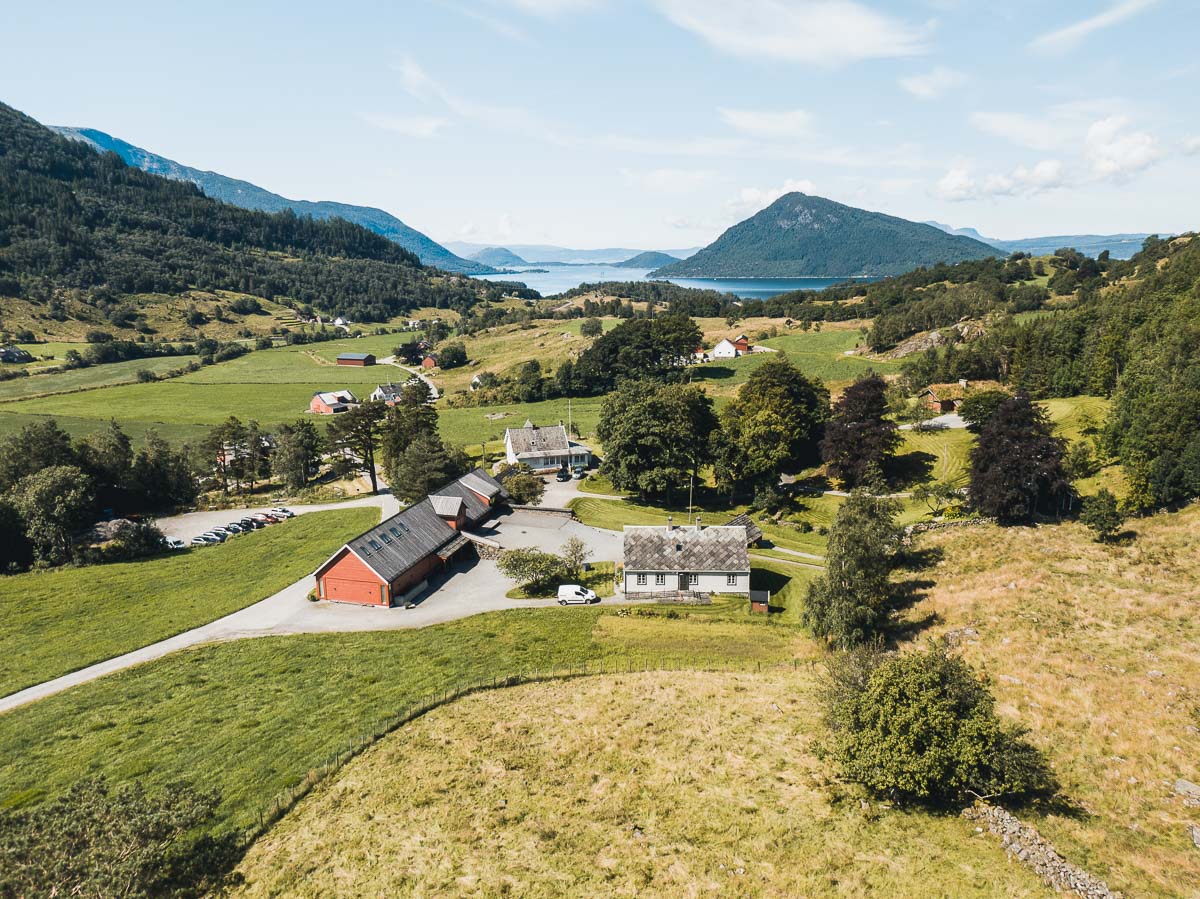
Just 5 km from Rosendal, Guddalstunet offers an art gallery, accommodation, and dining in beautiful surroundings. Experience exhibitions by national and international artists and stay in the renovated Vangshuset.
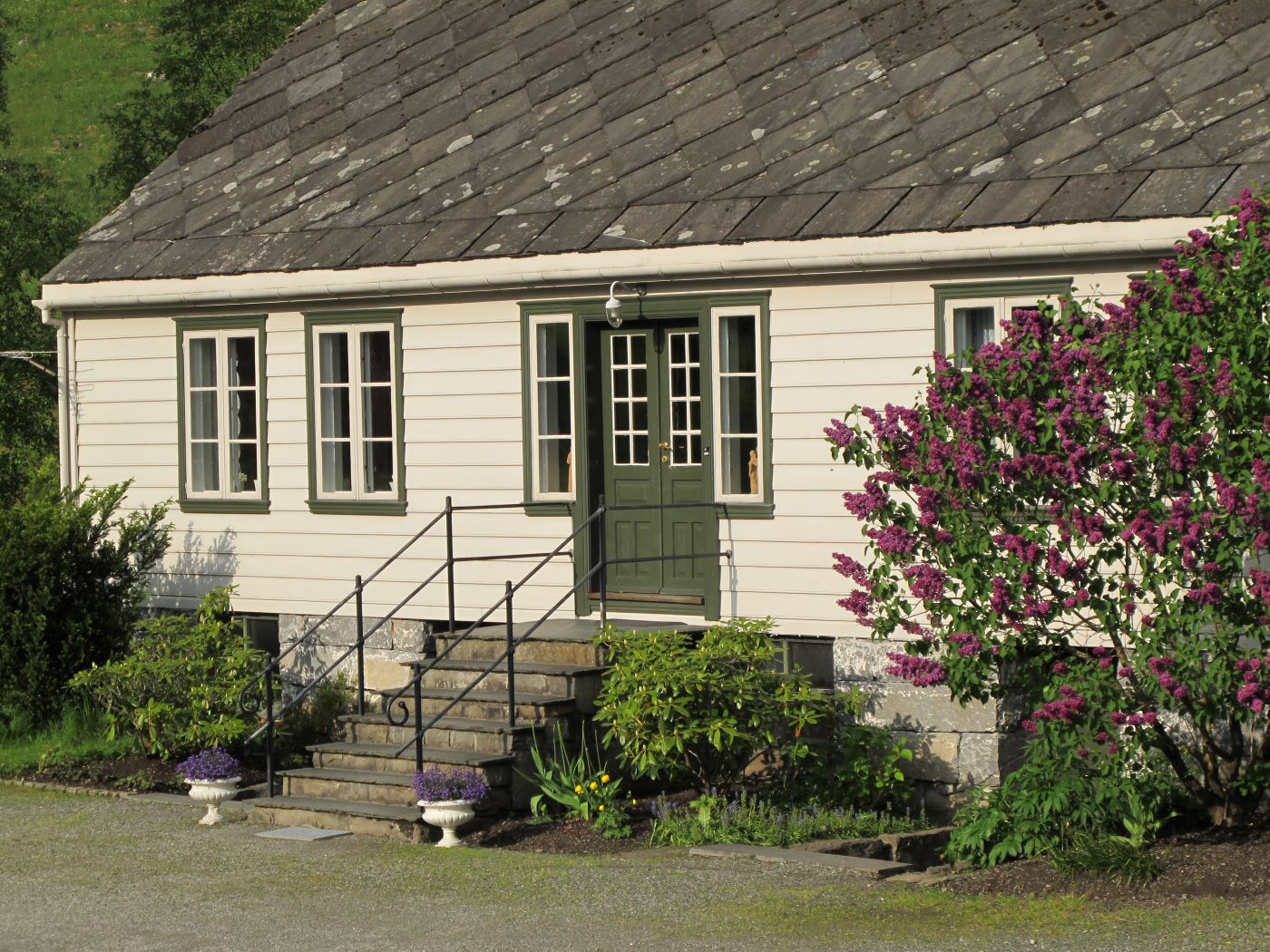
Charming café at the idyllic Guddalstunet. Here you can buy a light lunch, coffee, and cakes - and enjoy a meal in scenic surroundings.
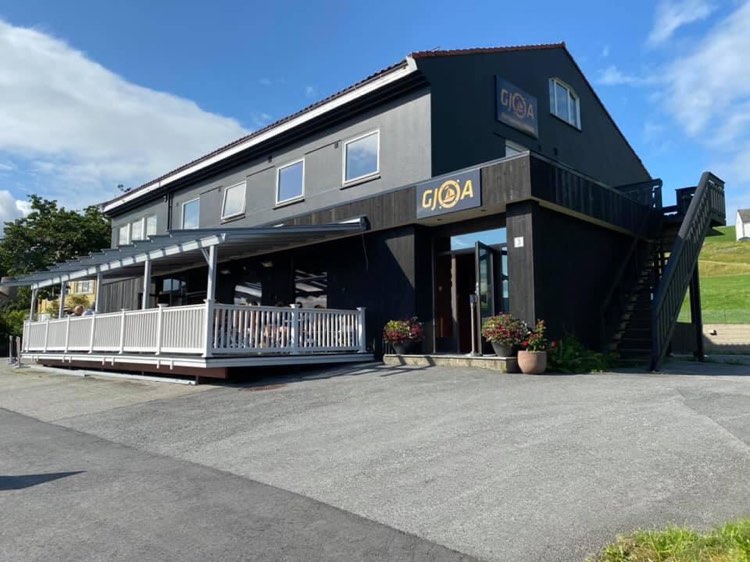
Experience the taste of Western Norway at Gjøa Sjømat – a charming restaurant in Rosendal serving traditional seafood and more, in an inviting and cozy atmosphere.
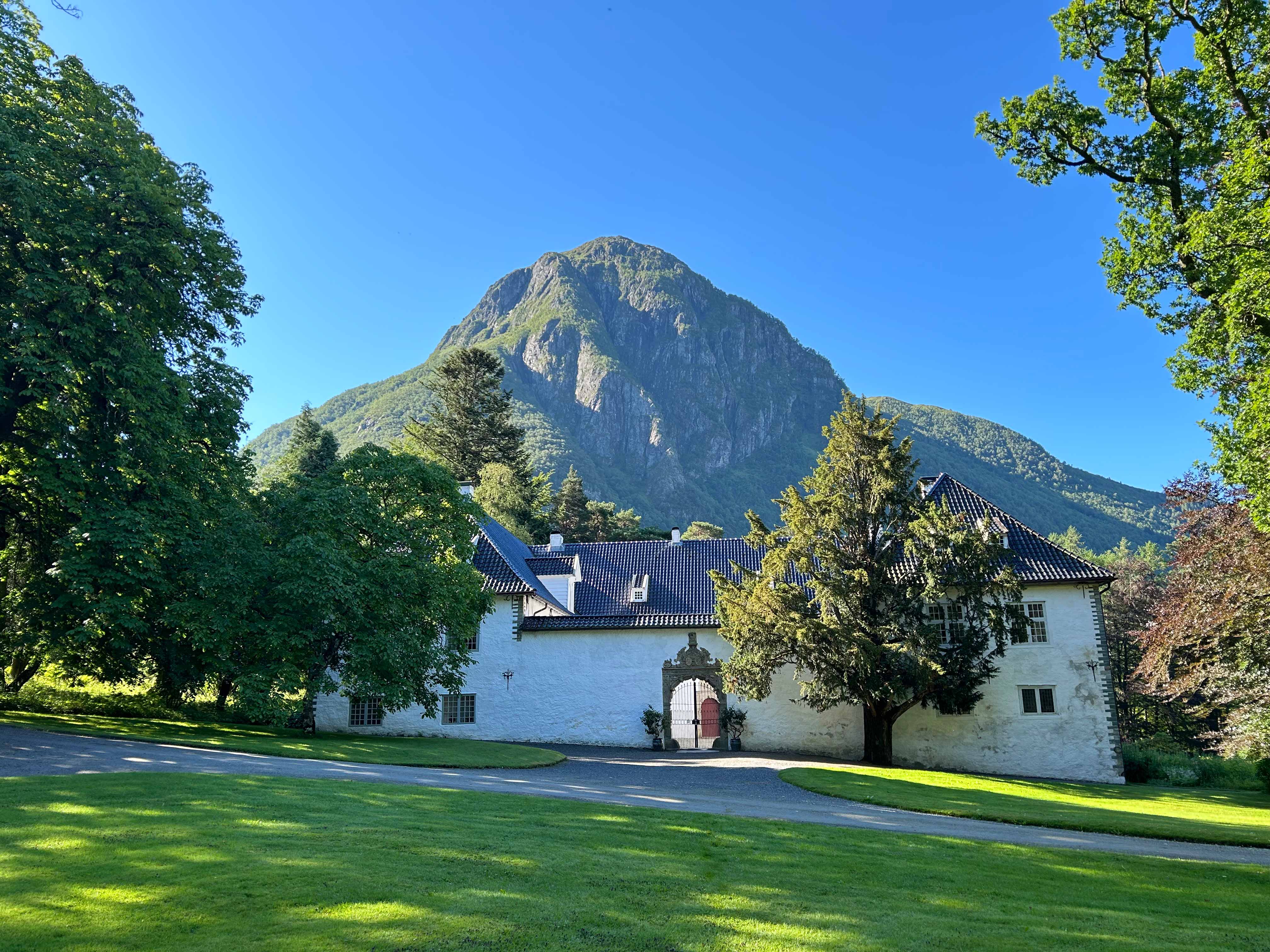
Baroniet Rosendal is Norway's only barony and Scandinavia's smallest castle. The barony is centrally located in Rosendal and is known for its cultural program and its rose garden.
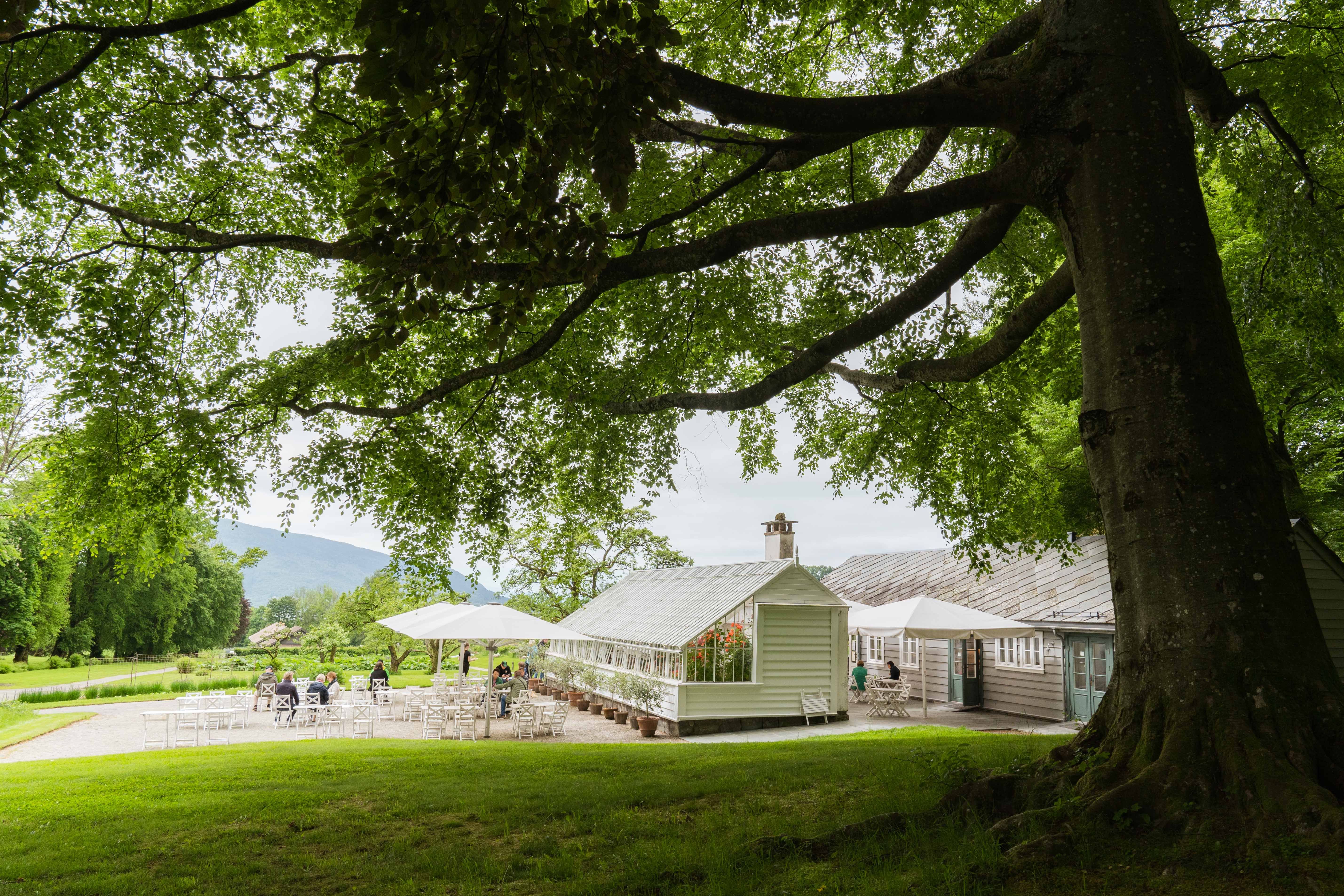
The newly restored Rosendal Greenhouse is now ready to receive our lunch guests, whether indoors our outside when the weather permits. Fresh ingredients from the Kitchen & Herb Garden are harvested daily througho...
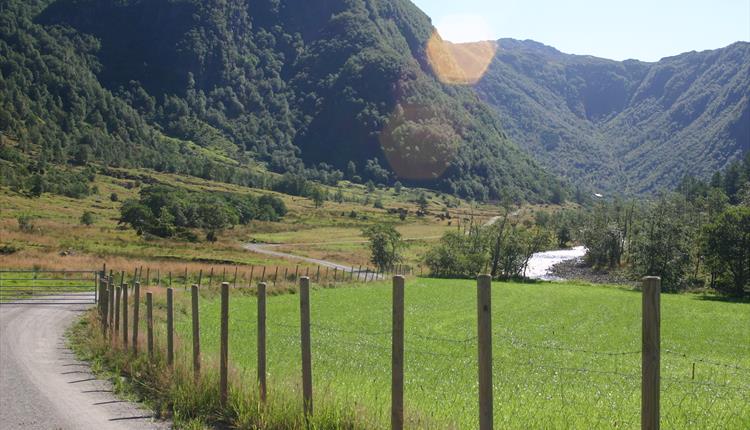
Location Rosendal. Overview Through the Baronihagen Park to the main road behind the Baroniet. On a quality gravel road past the Hatteberg farms and through Hattebergsdalen to Murabotnen where the road ends. ...
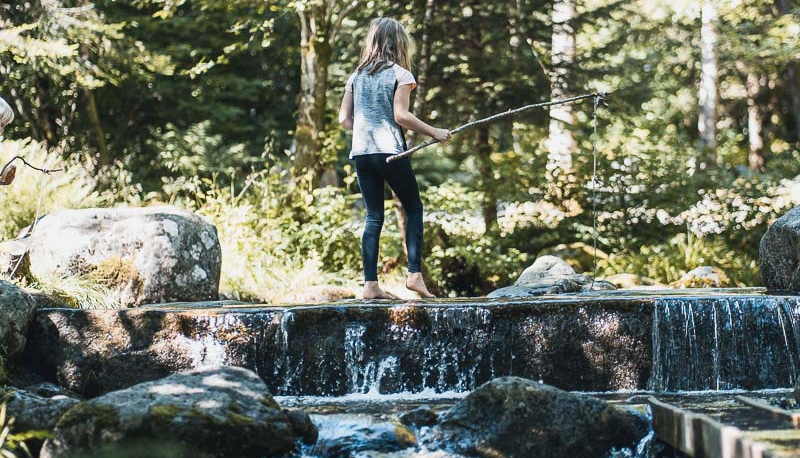
The stone park is located centrally in Rosendal and is connected to the Folgefonna National Park. Here you can see a collection of different types of stone from the region and exhibitions with prehistoric themes.
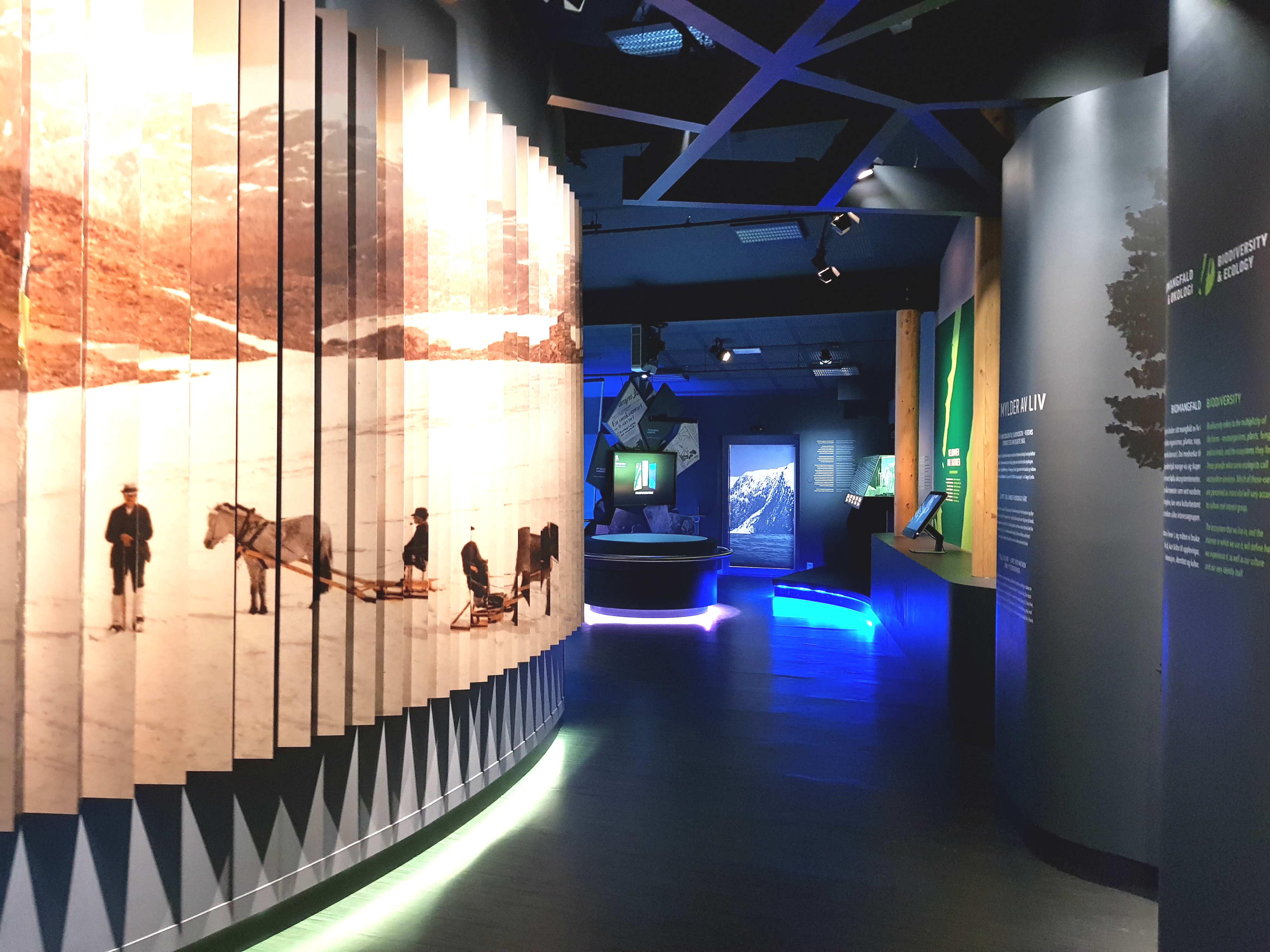
The Folgefonn Center is connected to the Folgefonna National Park. It includes modern, interactive exhibitions on topics such as geology, climate, the water cycle, and life in the Hardangerfjord. The Folgefonn center is easy to reach, for instance by speedboat from Bergen.
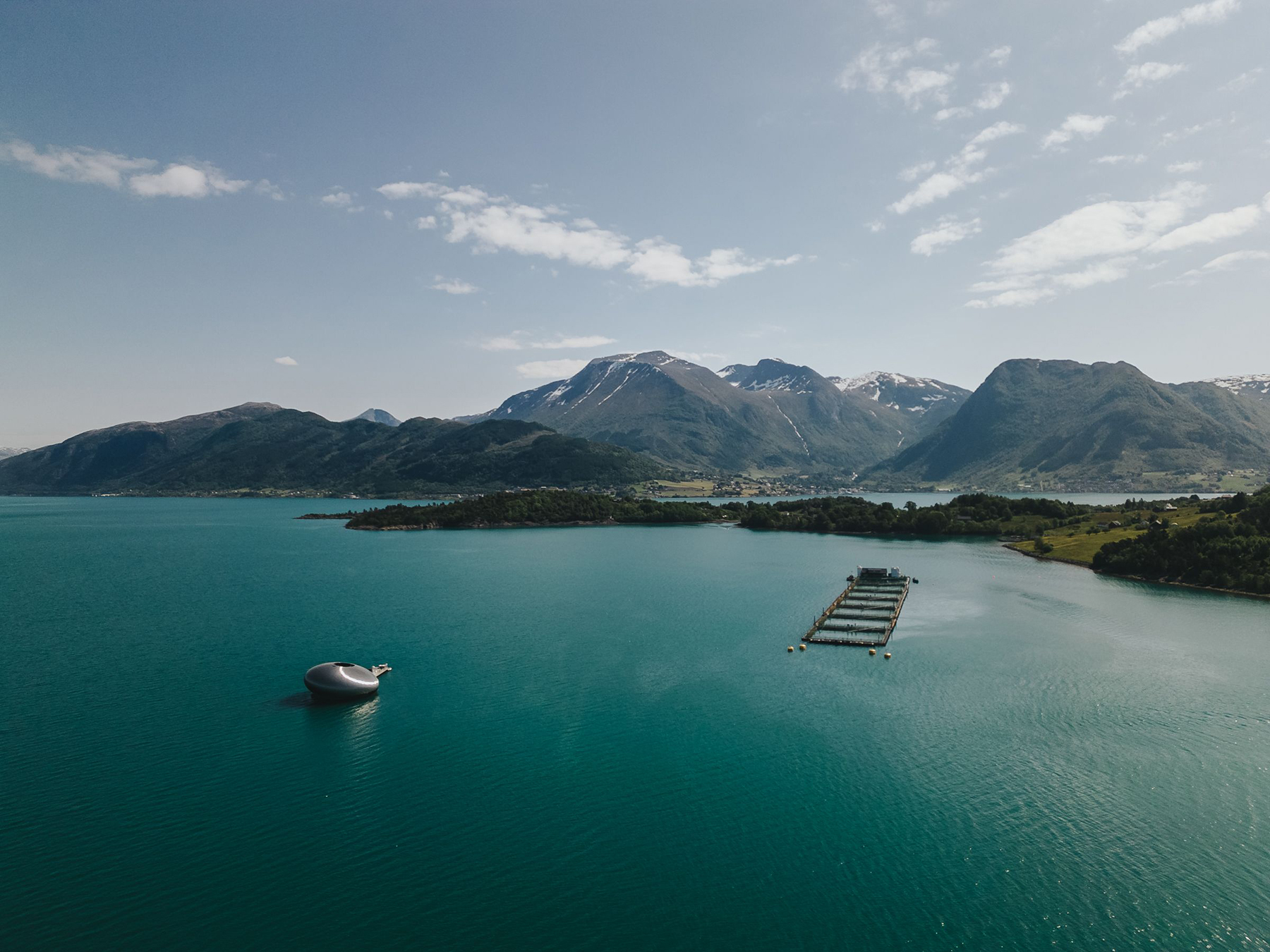
Learn more about the aquaculture industry aboard Salmon Eye, the world's largest floating art installation located in the heart of the Hardangerfjord. The restaurant Iris is also located inside Salmon Eye. Ever experienced expedition dining?
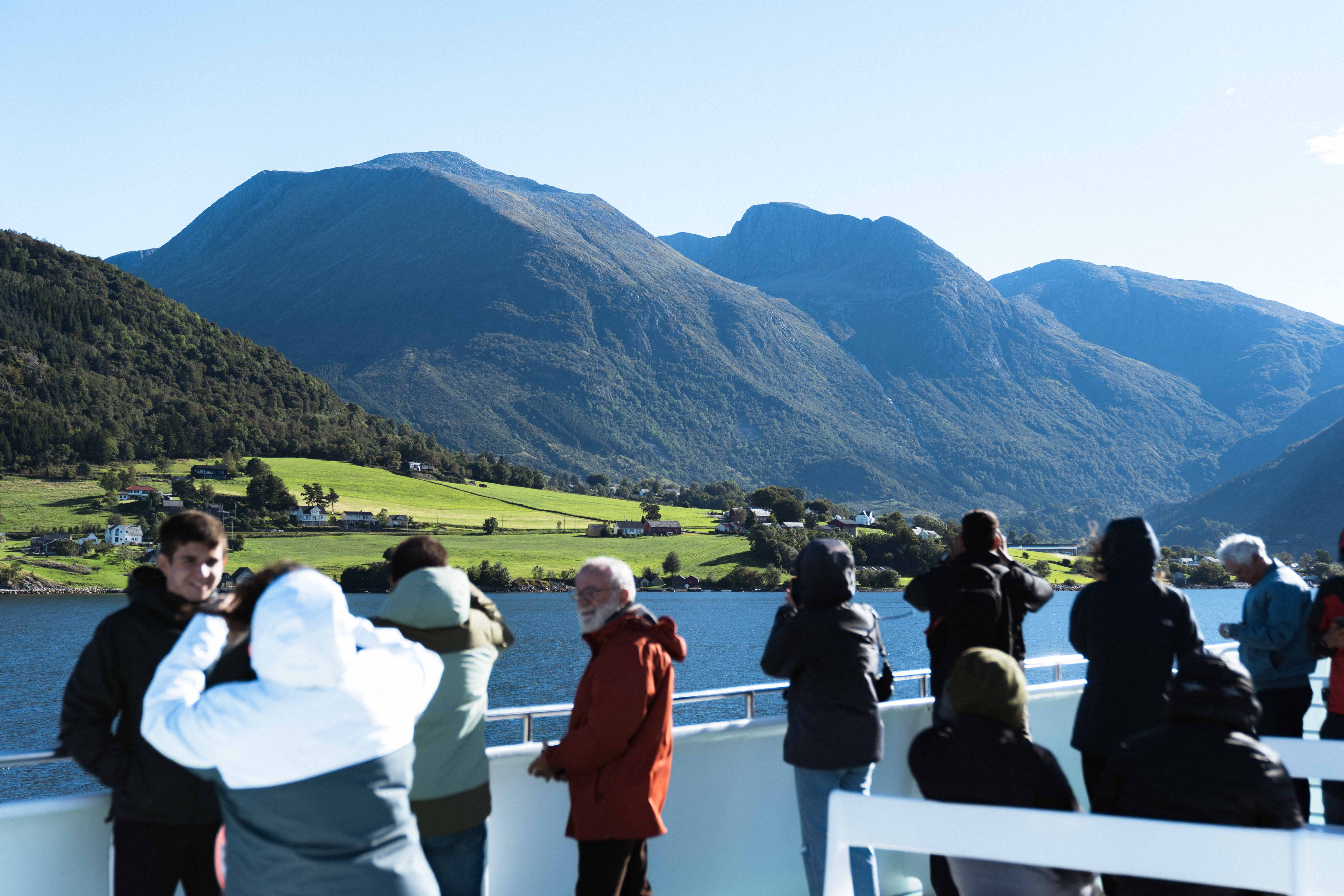
The Hardangerfjord Express takes you from Bergen to Rosendal, where you can visit the Barony with its magnificent rose garden, the world's largest art installation Salmon Eye, experience interactive exhibitions at the Folgefonn Center, and many more fantastic experiences!


