Culture in Hardanger is more than museums. Here you'll find art, history and living traditions — from wooden boat building and the Hardanger fiddle to concerts and light art.
Hardanger is known for its fjords, glaciers and dramatic hiking trails. But alongside the landscape, the region has a cultural life that is easy to overlook — and worth seeking out. Here you will find Norway's national instrument — the Hardanger fiddle — born in these valleys, a folk costume tradition that became a national symbol, and one of Scandinavia's only baronies.
Centuries of relative isolation along the fjord arms gave Hardanger time to develop its own distinct traditions — in music, textile craft and boat building — that have outlasted the conditions that created them. You can watch craftspeople at work, walk through medieval farmsteads, step inside light installations where the room changes around you, and follow the literary trail of a Nobel Prize winner who grew up by the fjord.
The culture of Hardanger is not preserved behind glass. It is part of everyday life here — and there are many ways to experience it.

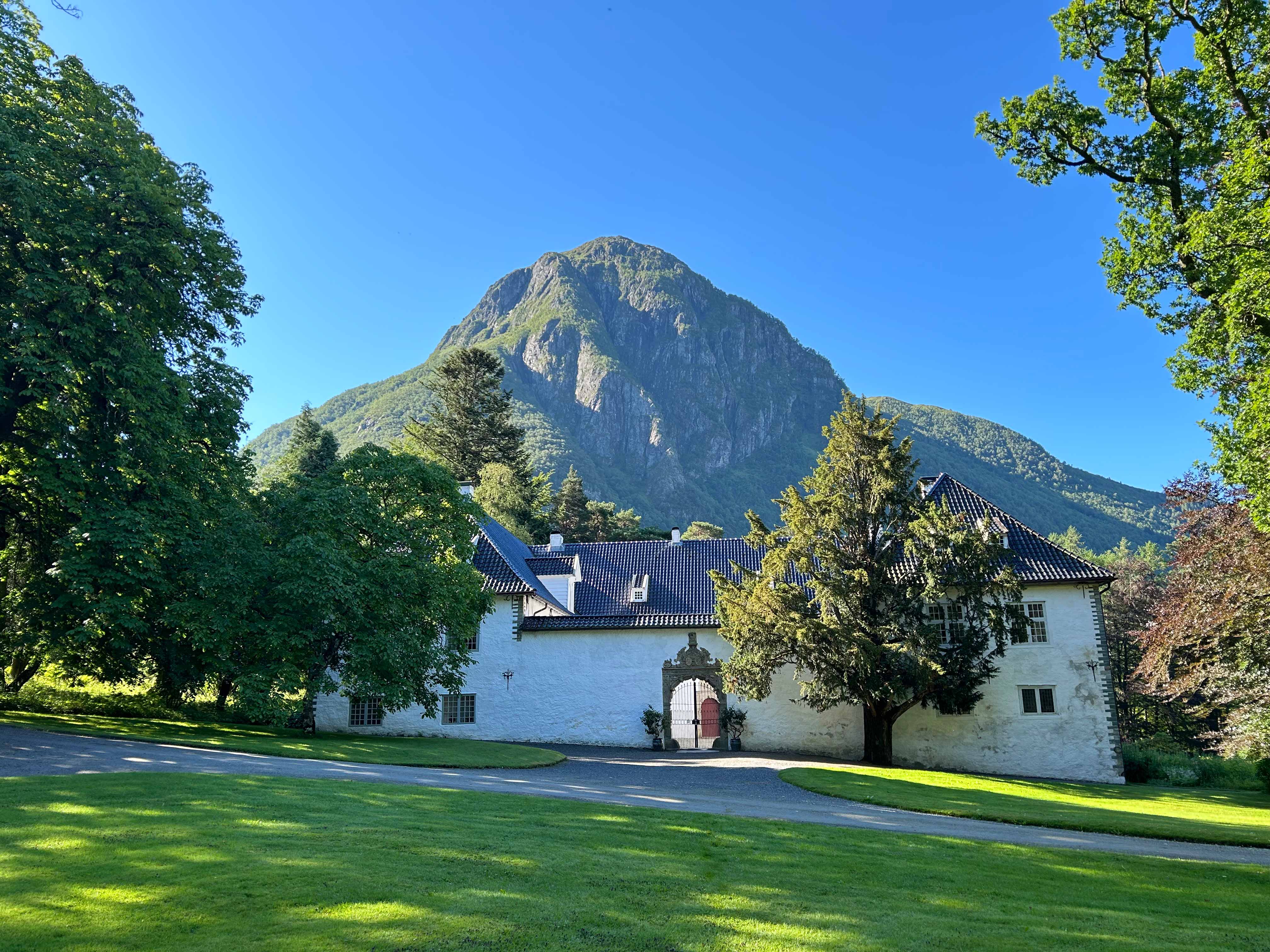
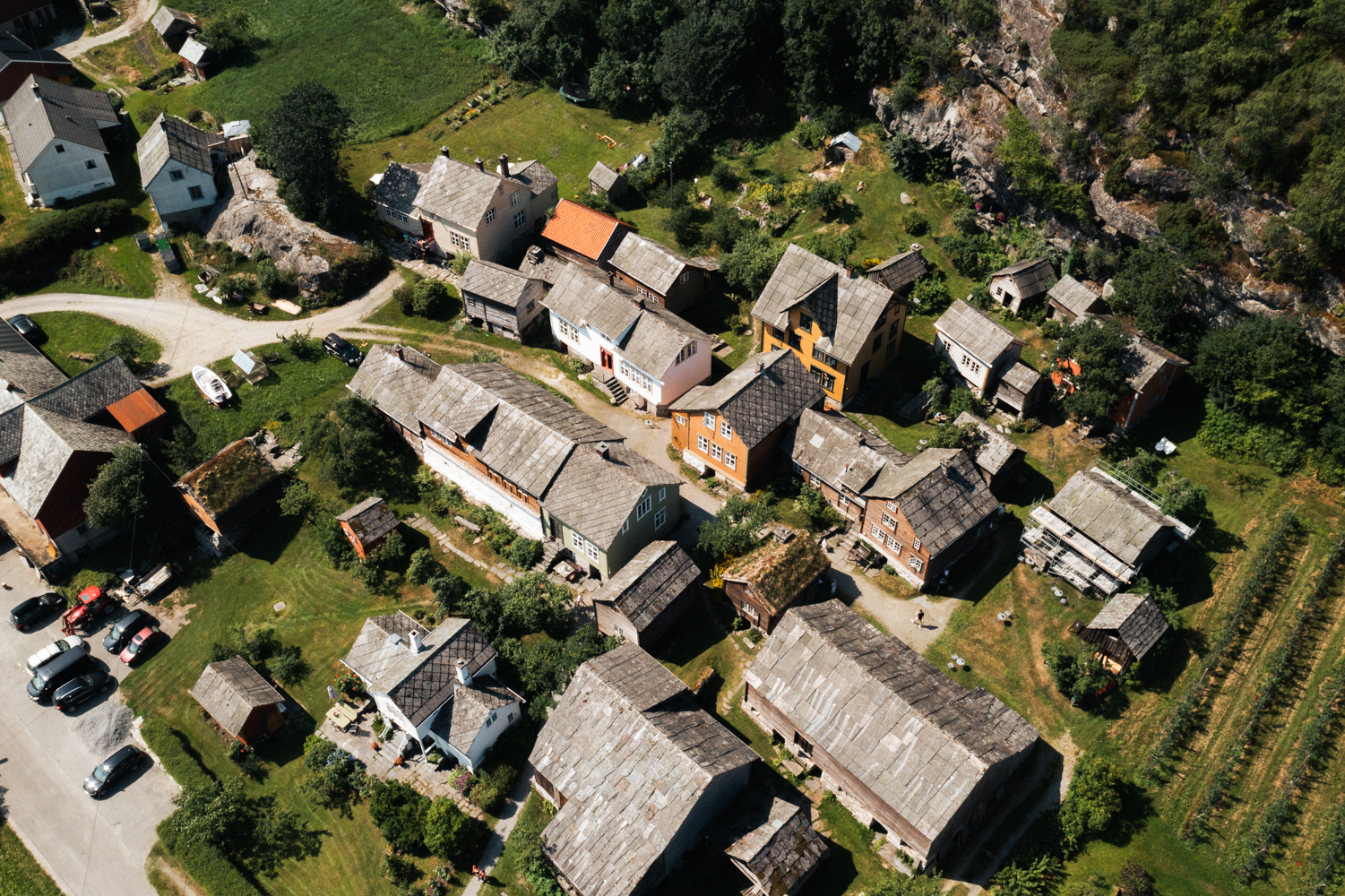
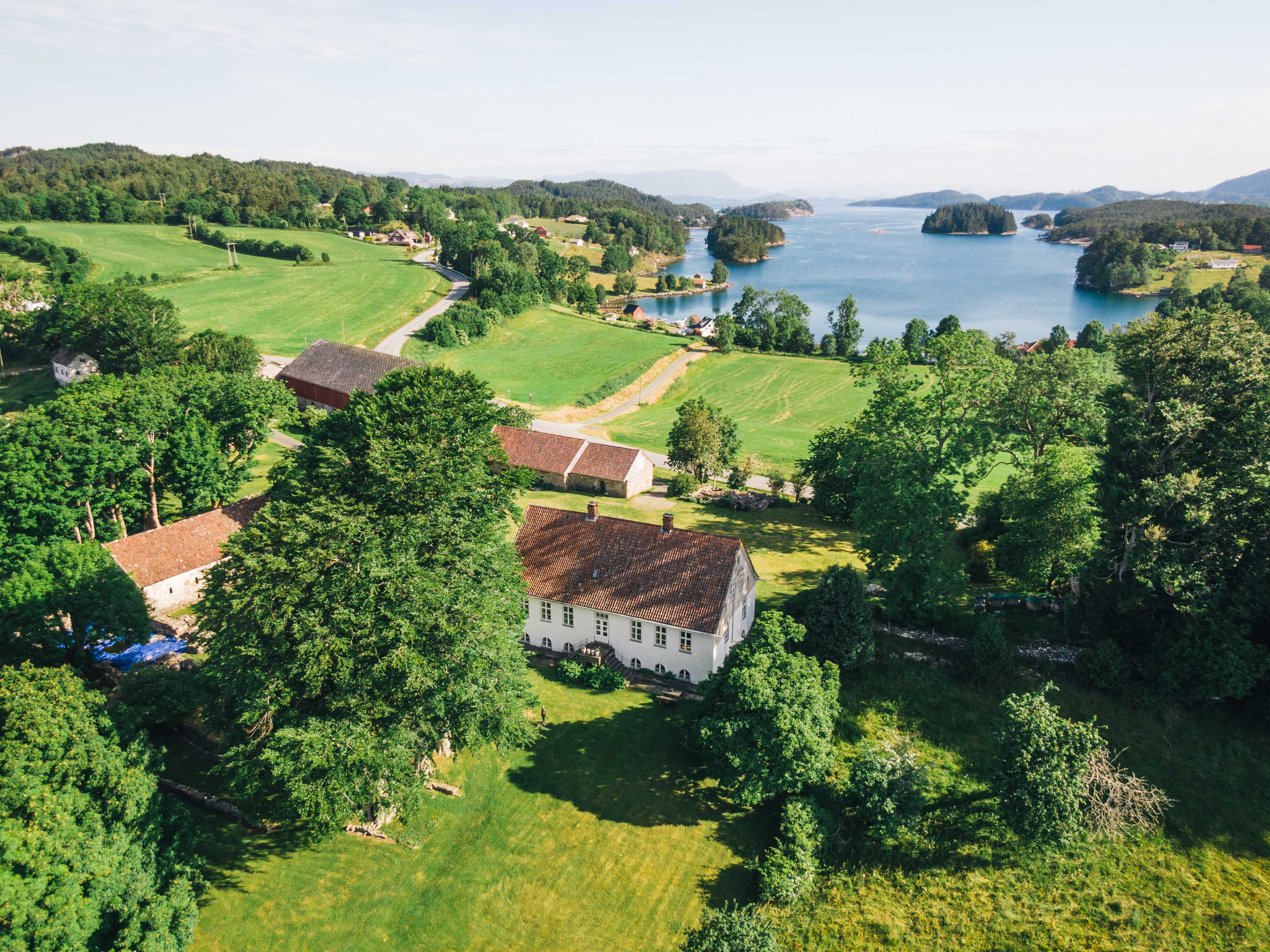
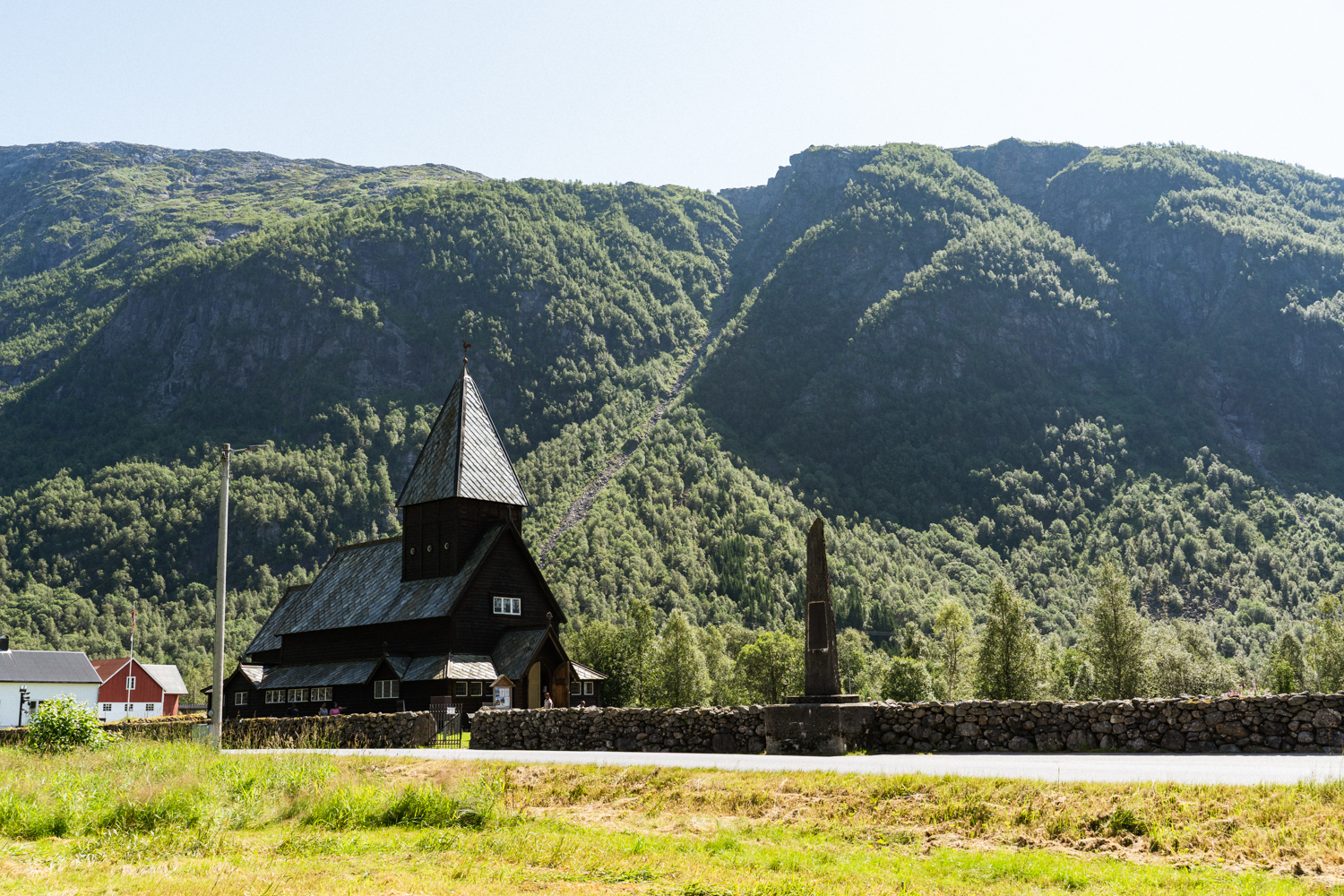
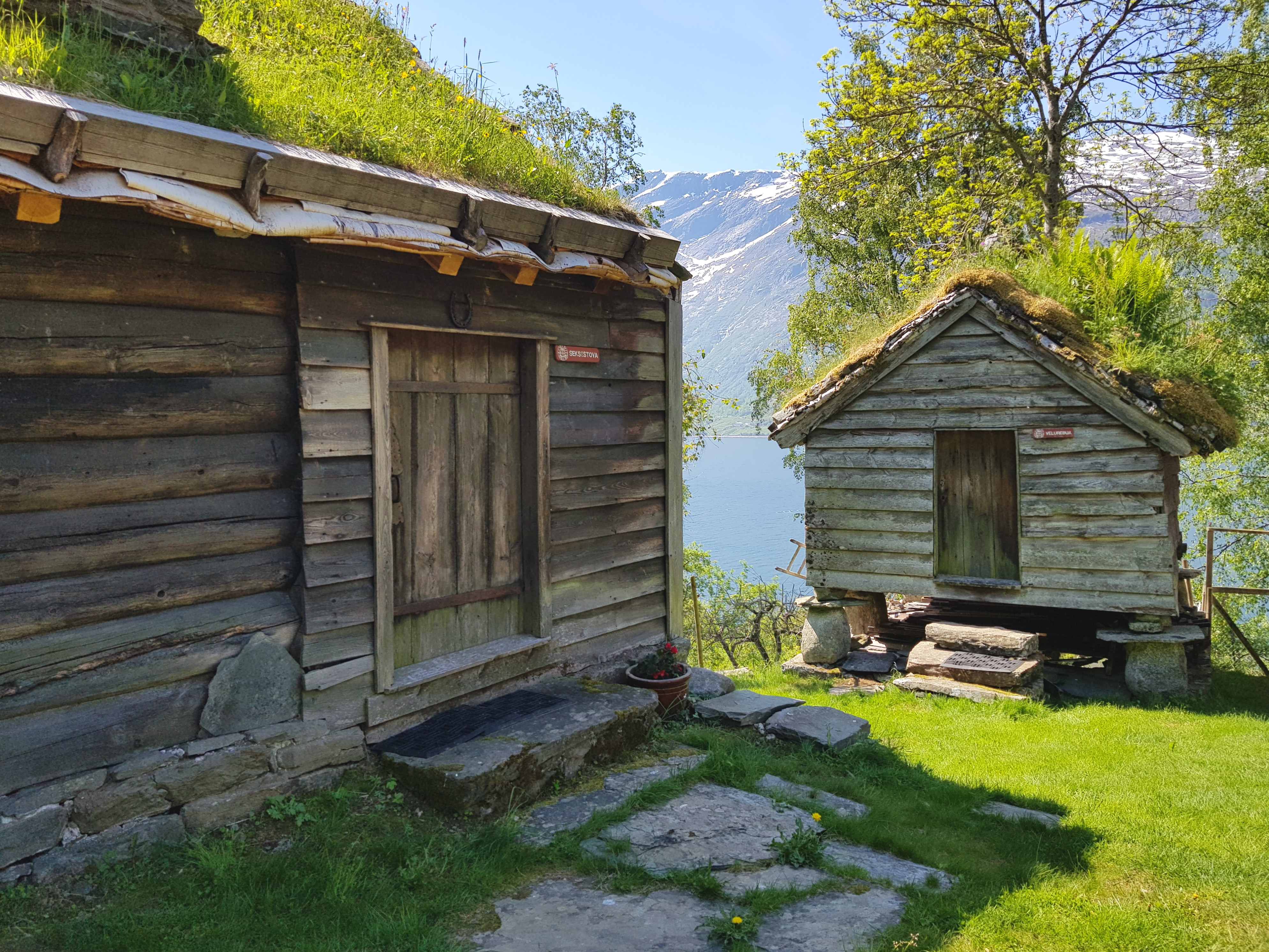
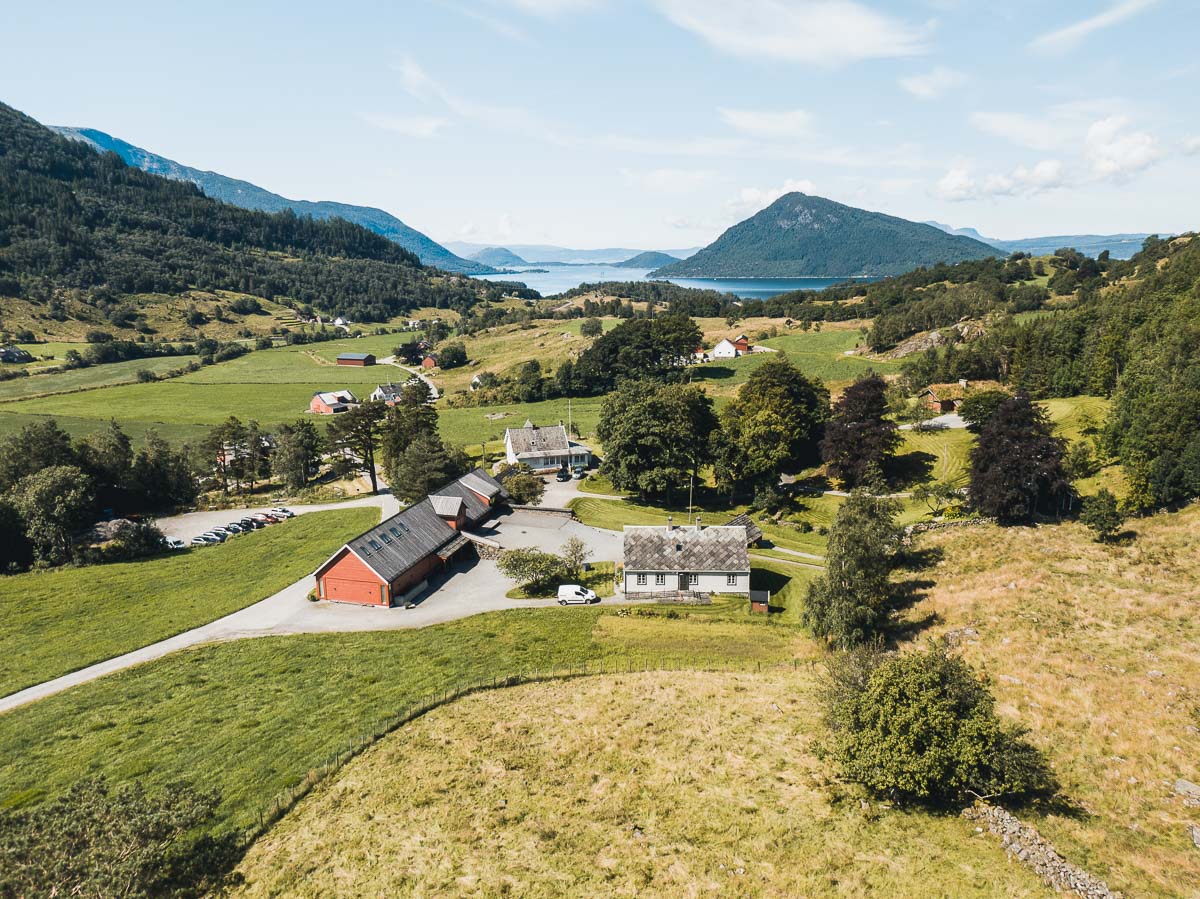
The history of Hardanger is not kept at a distance. You can walk through a medieval farmstead that has stood since 1220, visit a monastery founded in 1163, and step inside the only barony in Norway — all within the same region, and most of them still in active use.
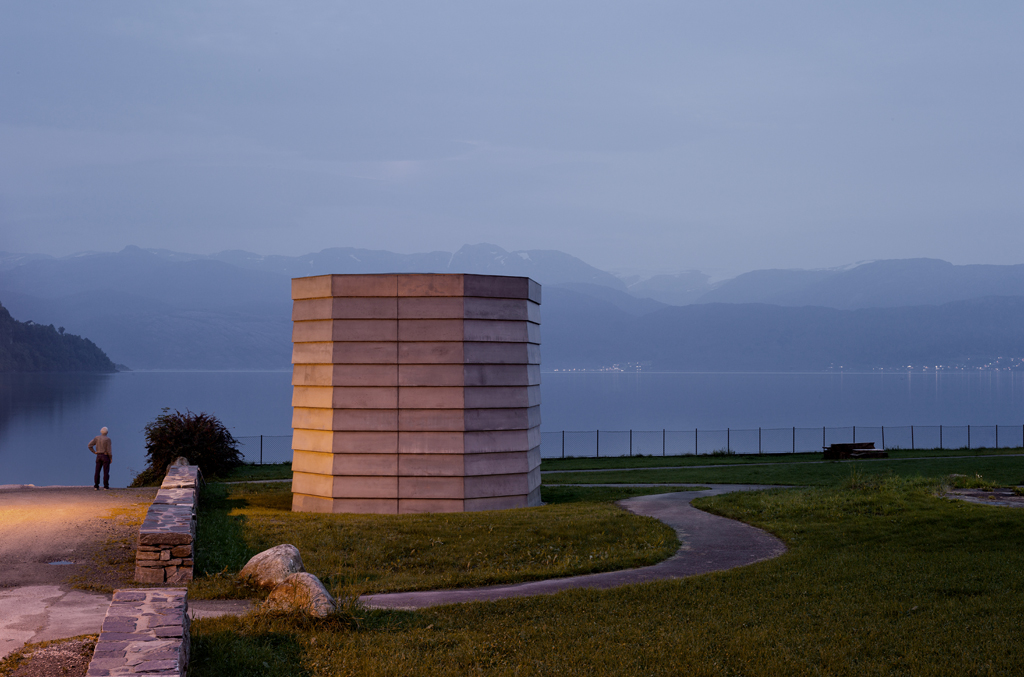
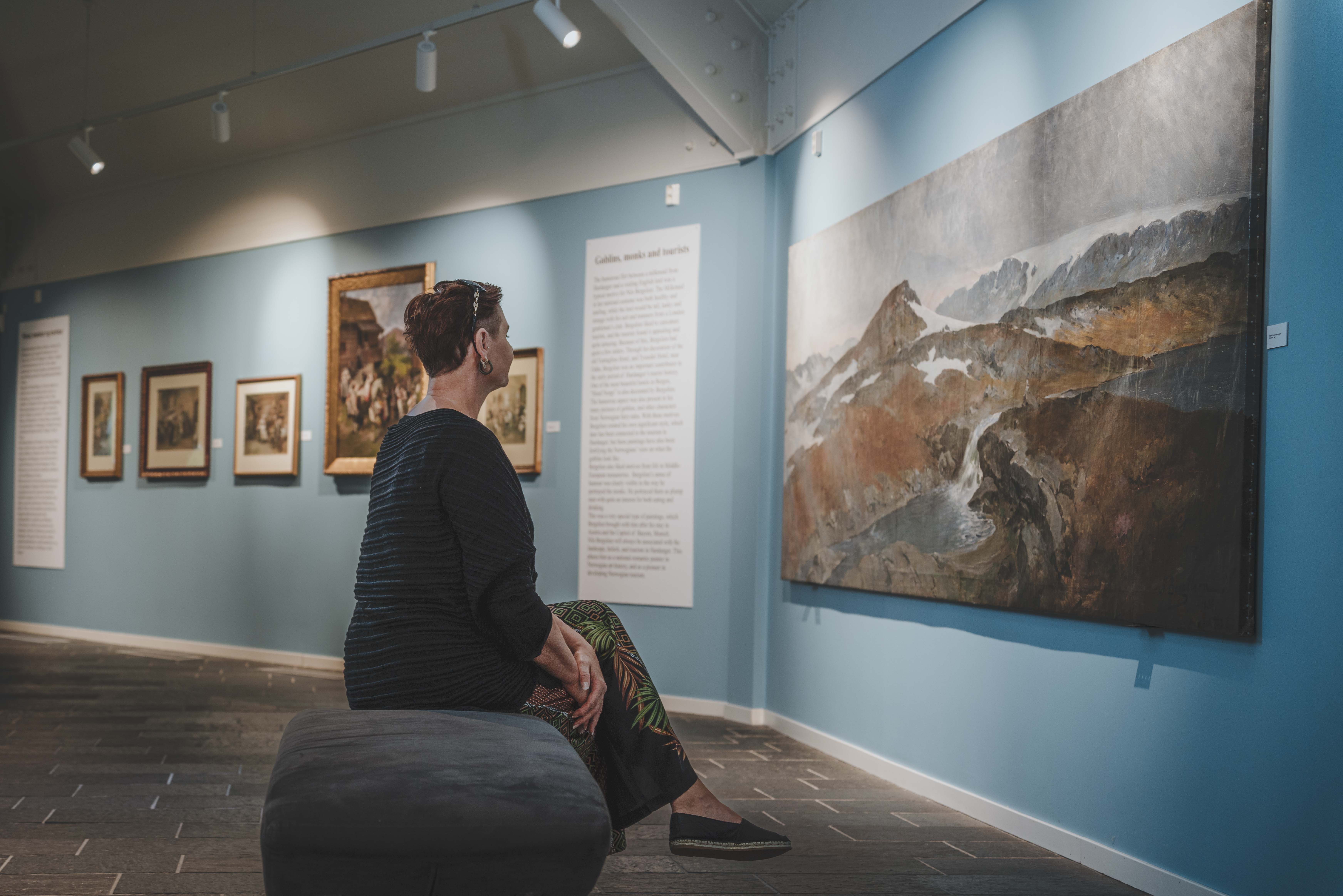
The Hardangerfjord has drawn artists for over a century — painters, sculptors, poets and installation artists who found something in the light and the landscape that was worth staying for. Today you can step inside a James Turrell skyspace on the fjord's edge, visit galleries showing both Norwegian and international work, and explore a region where the landscape is never far from what is on the walls.
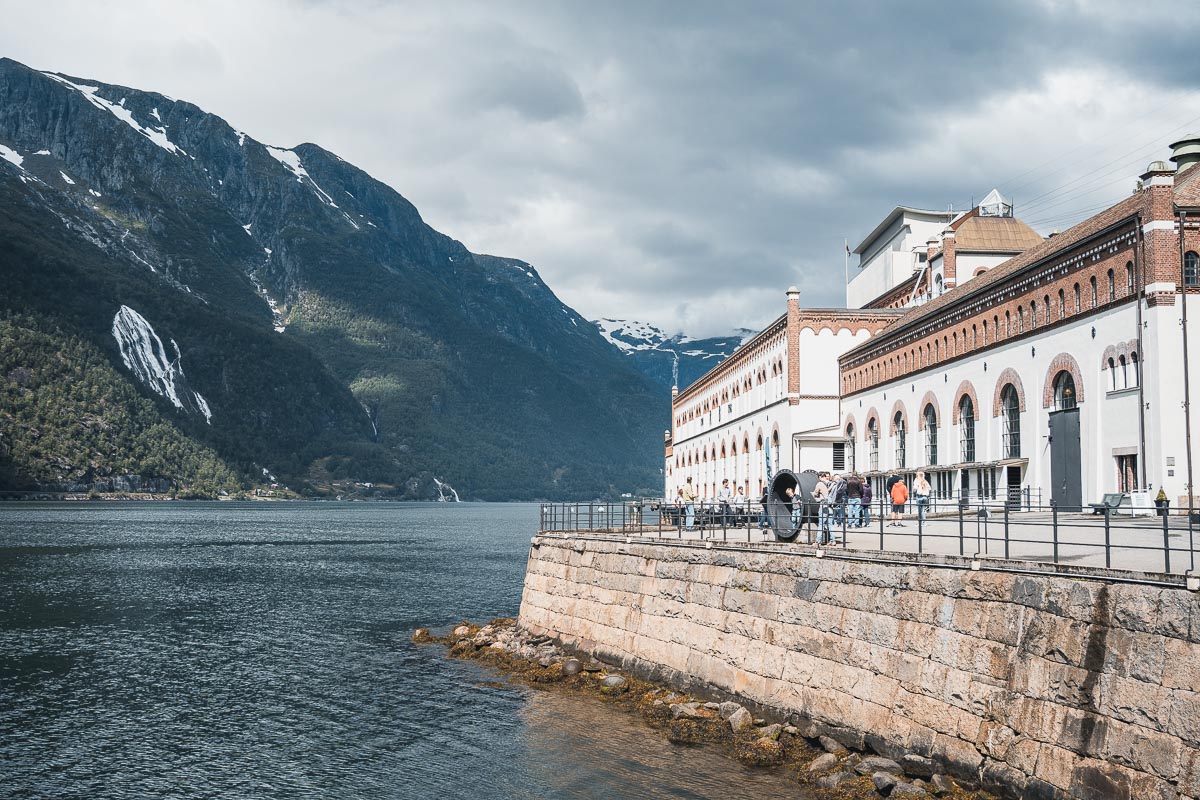
In Hardanger you can get closer to traditional Norwegian craft than almost anywhere else in the country. Wooden boat building, folk costume embroidery, fiddle making and blacksmithing are all still practised here — not as demonstrations, but as ongoing work passed down through generations. The Hardanger bunad, listed on UNESCO's Intangible Cultural Heritage list, is part of that heritage. So is the Kraftmuseet in Tyssedal, which tells the story of how hydroelectric power reshaped the communities along the fjord — a different kind of tradition, but just as deeply rooted in the landscape.

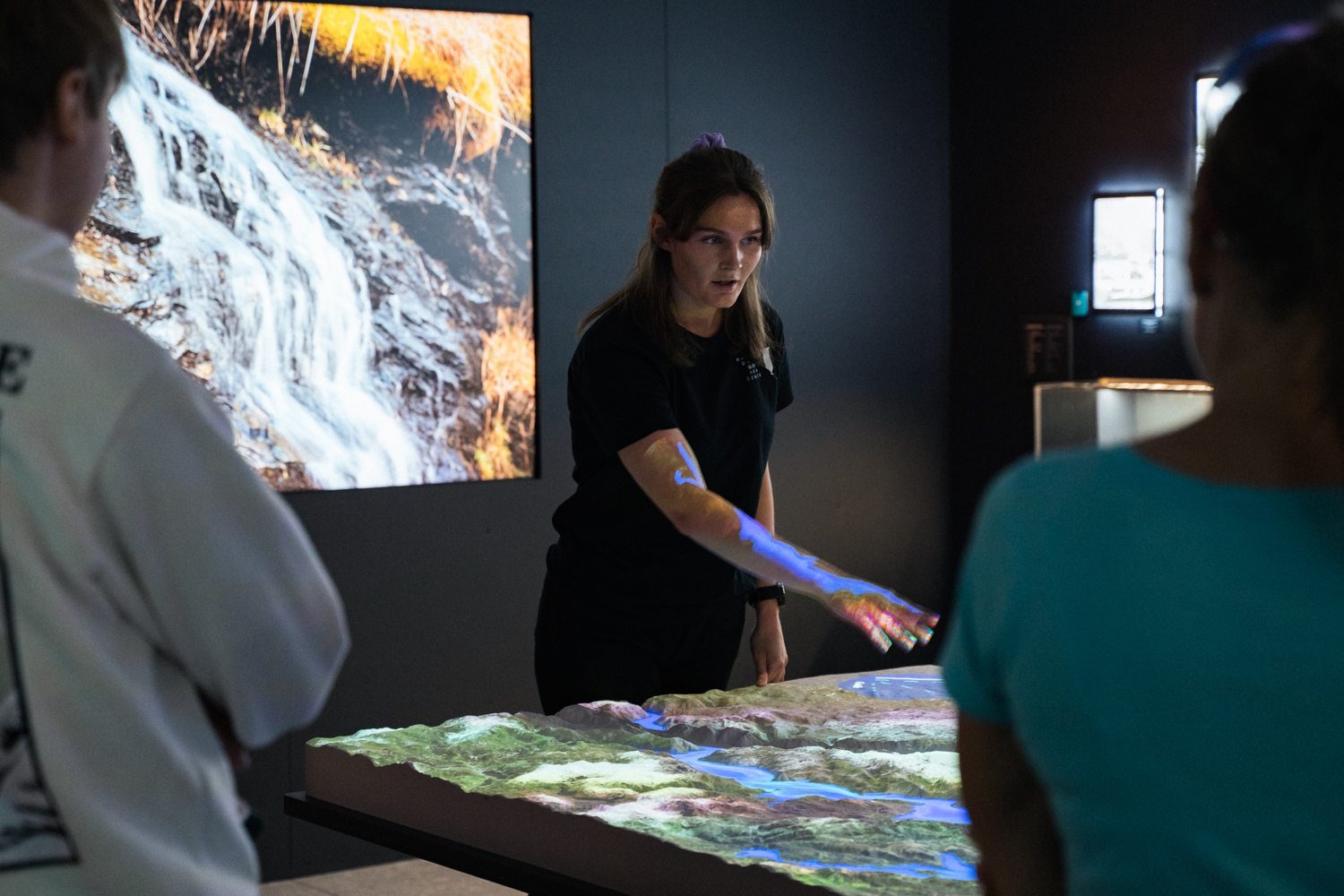
Hardanger is easier to appreciate when you understand what you are looking at. The region has several places where you can learn about the landscape around you — through panoramic film, interactive exhibitions and installations that bring the geology, climate and ecology of western Norway into focus.
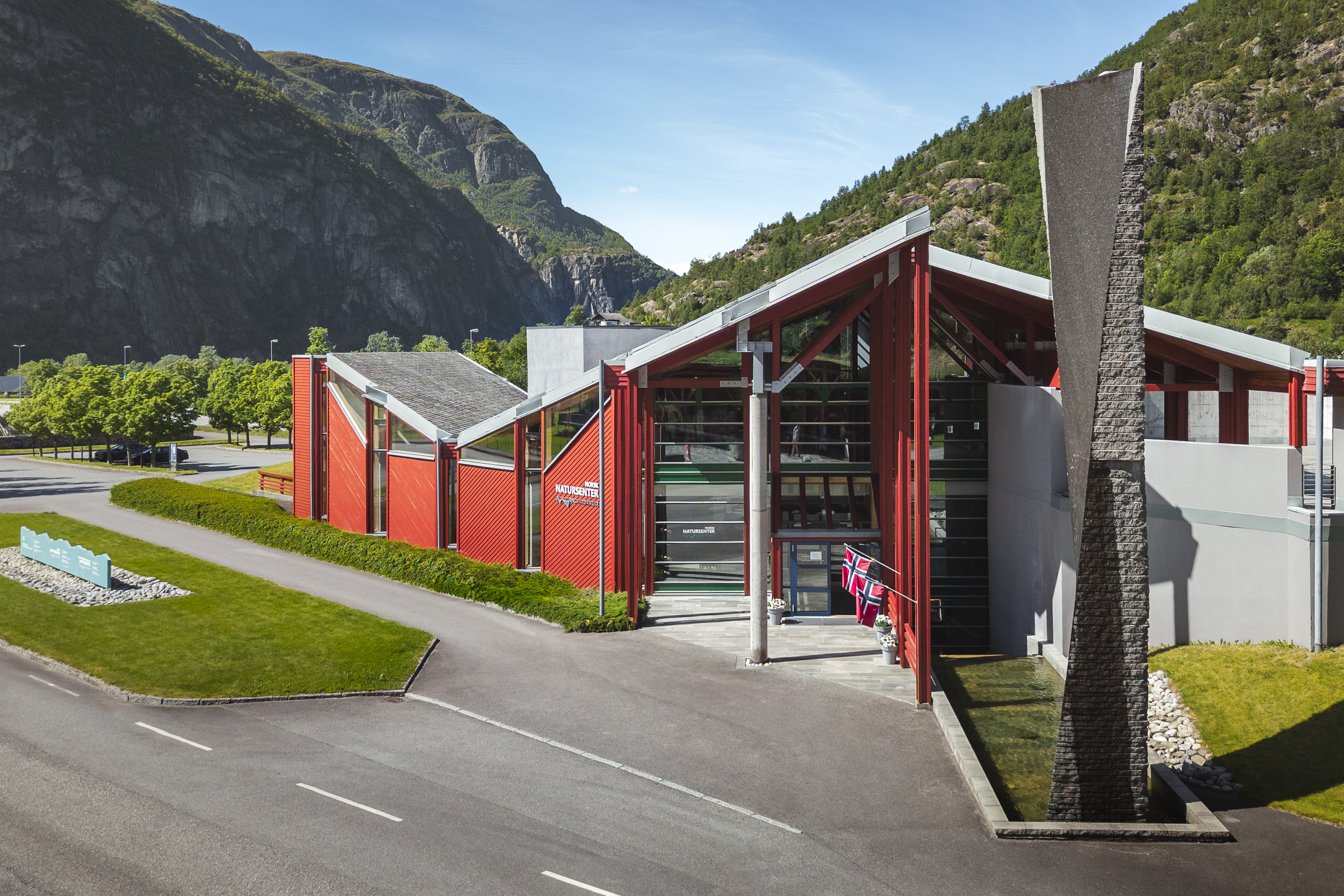
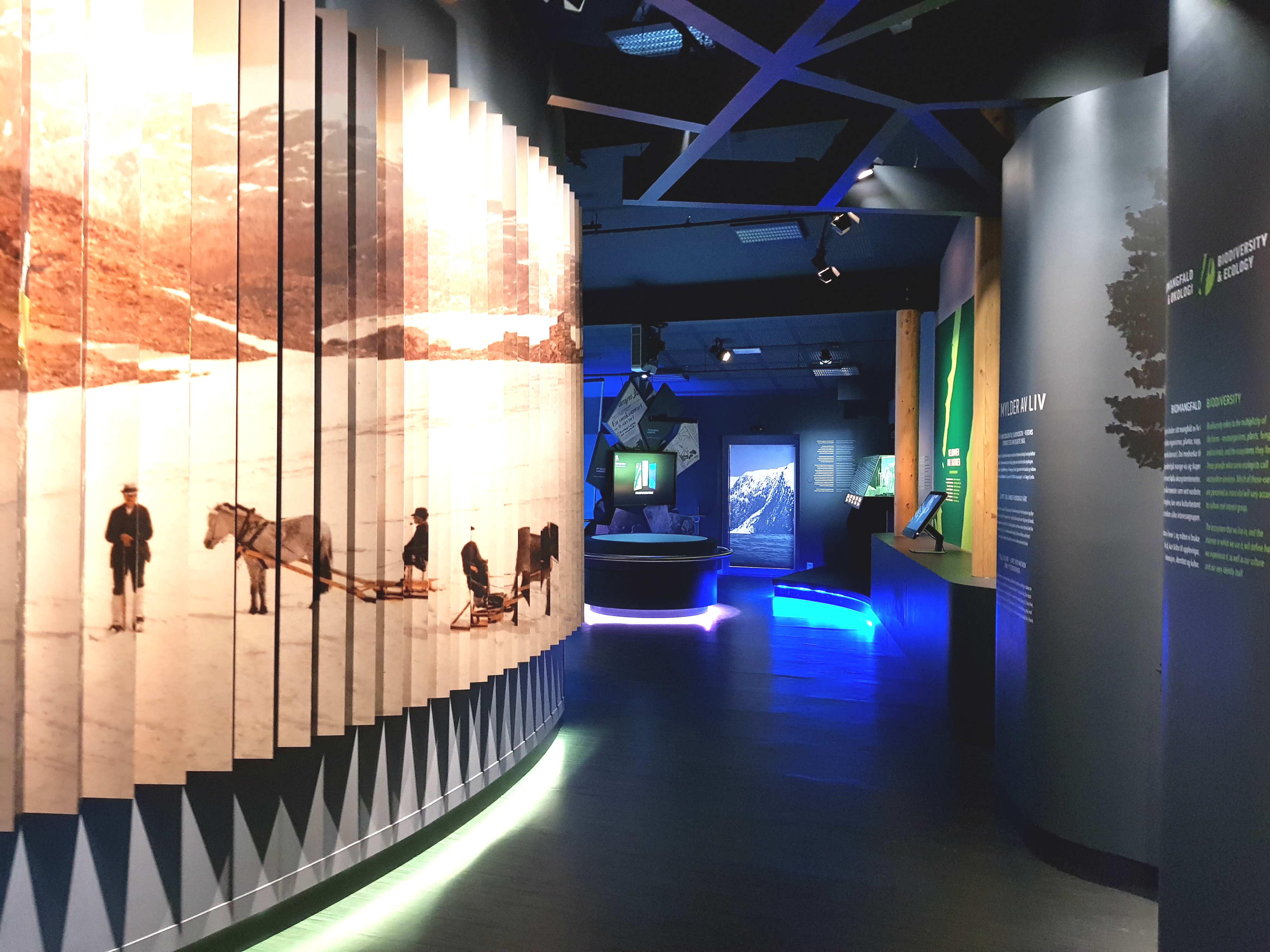
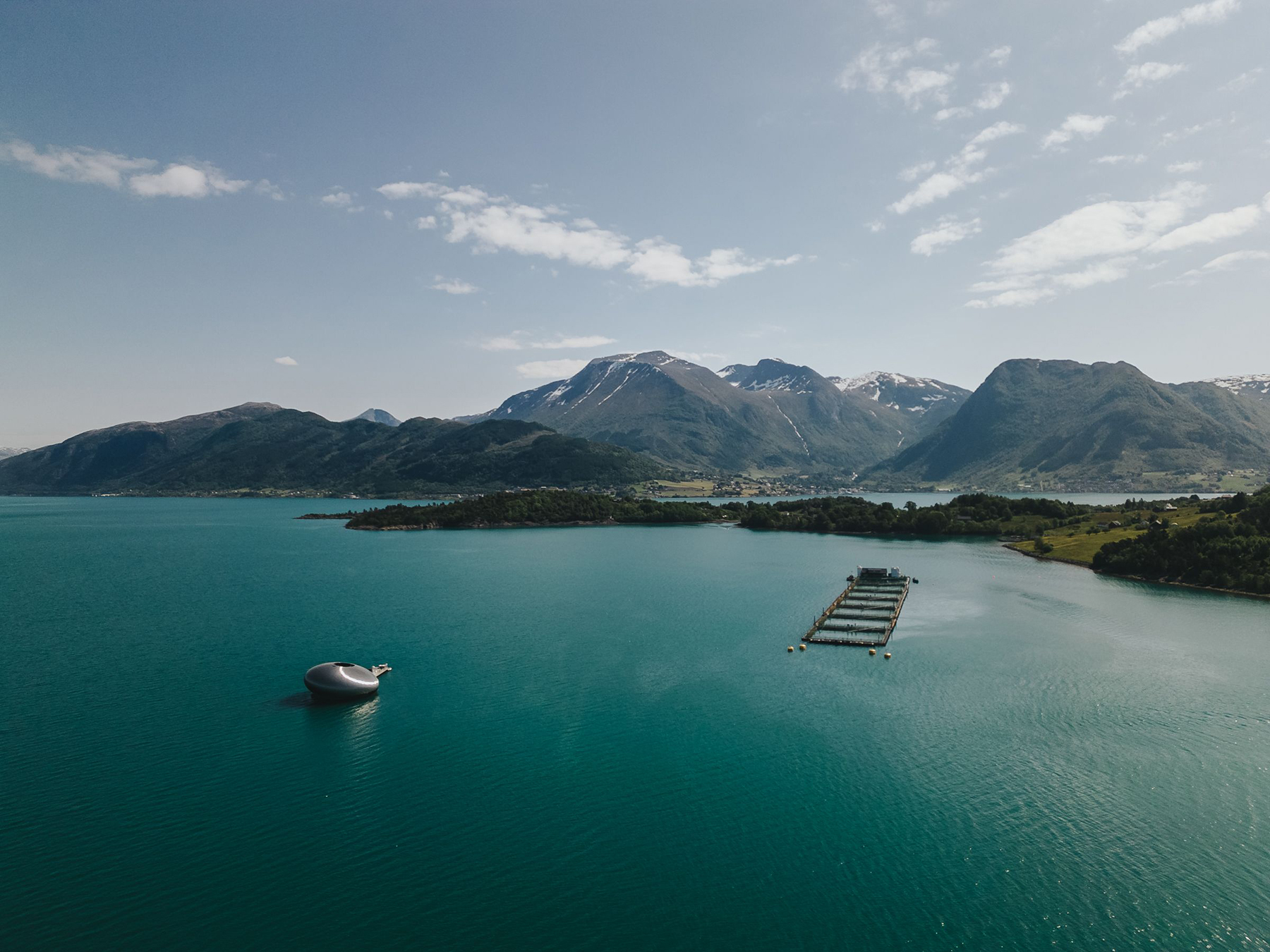
At Norsk Natursenter in Eidfjord, a journey through 2.9 billion years of natural history puts the fjord and mountains into perspective. At Salmon Eye — the world's largest floating art installation — you can learn about aquaculture and life in the Hardangerfjord.
Whether you have just come back from a hike or are planning your next one, these are experiences that give the landscape around you a different kind of depth.
Looking for something happening right now? Hardanger has a steady programme of concerts, exhibitions and festivals throughout the year — from intimate local stages to larger events that draw visitors from across Norway and beyond.
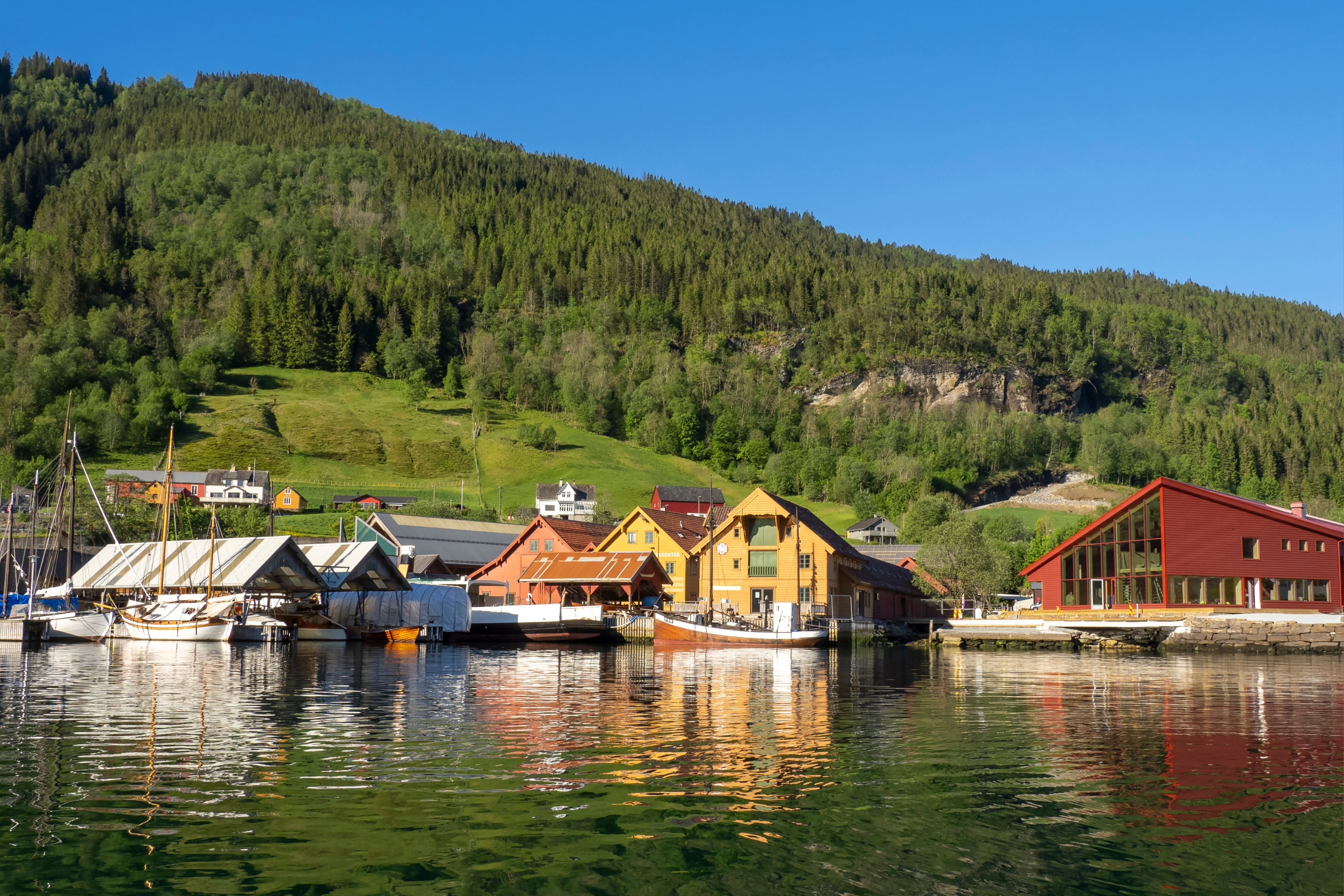
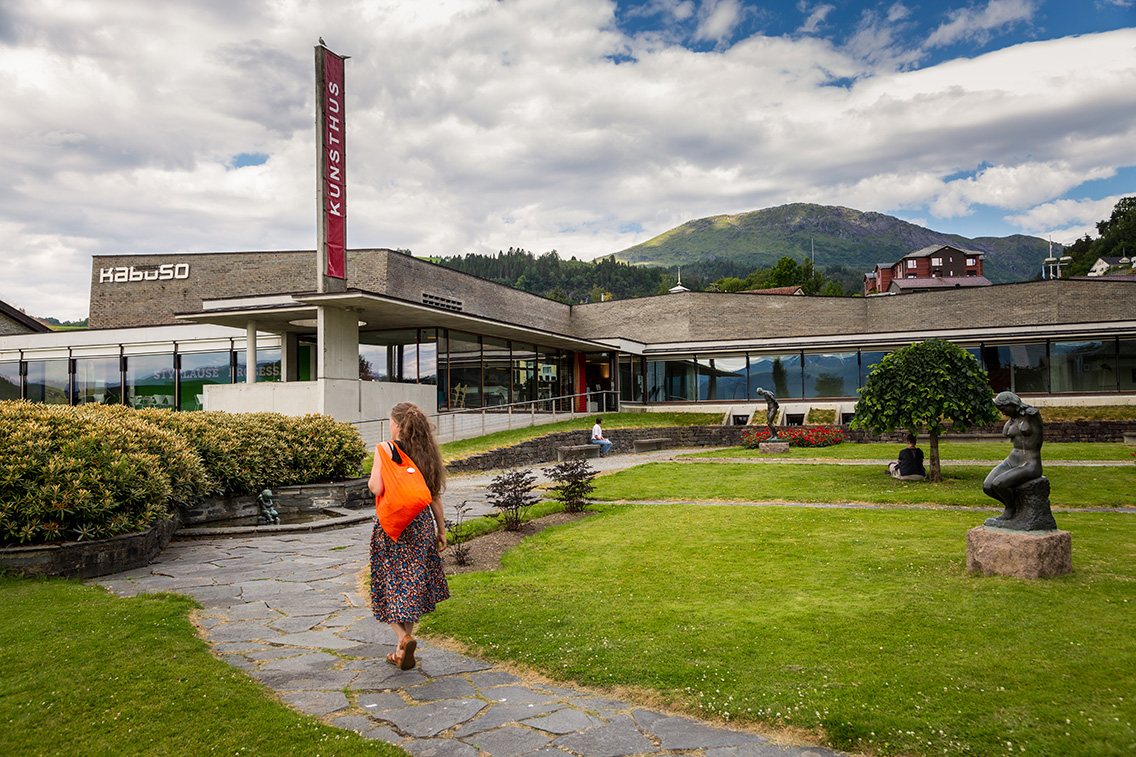
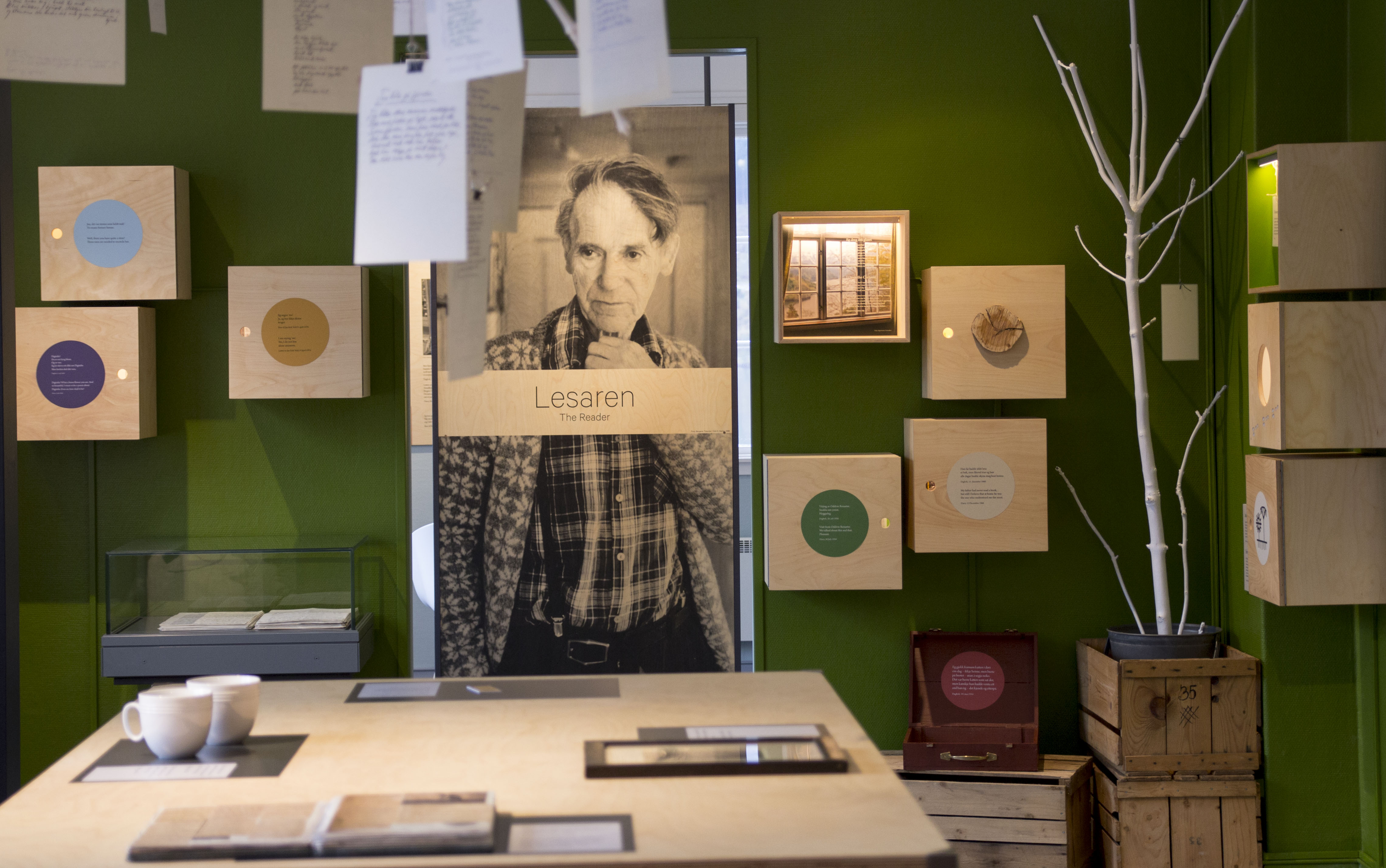
Hardanger has a cultural life that goes well beyond what most visitors expect. At Hardanger Fartøyvernsenter in Norheimsund, craftspeople still build and restore wooden boats in open workshops you can walk through. Hardanger Folk Museum in Utne holds Norway's largest collection of Hardanger fiddles and over a thousand variations of the traditional bunad bodice insert. Kunsthuset Kabuso in Øystese runs a programme of contemporary art exhibitions and concerts year-round, alongside the Hardanger Skyspace — a permanent light installation by American artist James Turrell. Agatunet in Ullensvang is a protected medieval cluster farm with buildings dating to 1220. Kraftmuseet in Tyssedal tells the story of how hydroelectric power transformed Norwegian industry and society. And in Ulvik, Haugesenteret is dedicated to the poet Olav H. Hauge, one of the most distinctive voices in Norwegian literature. The culture here is not reconstructed for visitors — it is part of everyday life in the region.
The Hardanger fiddle is a Norwegian string instrument and is considered Norway's national instrument. It resembles a standard violin but has four or five additional resonance strings running beneath the playing strings, giving it a deep, resonant and almost dreamlike sound. The oldest known example dates to 1651, made by Ole Jonsen Jaastad in Hardanger. The instrument developed here over generations of fiddle-making families in the region, shaped by strong local traditions of music at weddings, dances and religious celebrations. Hardanger Folk Museum in Utne holds Norway's largest collection of historical Hardanger fiddles and is the best place to learn more about the instrument — and to listen to recordings from the museum's extensive folk music archive.
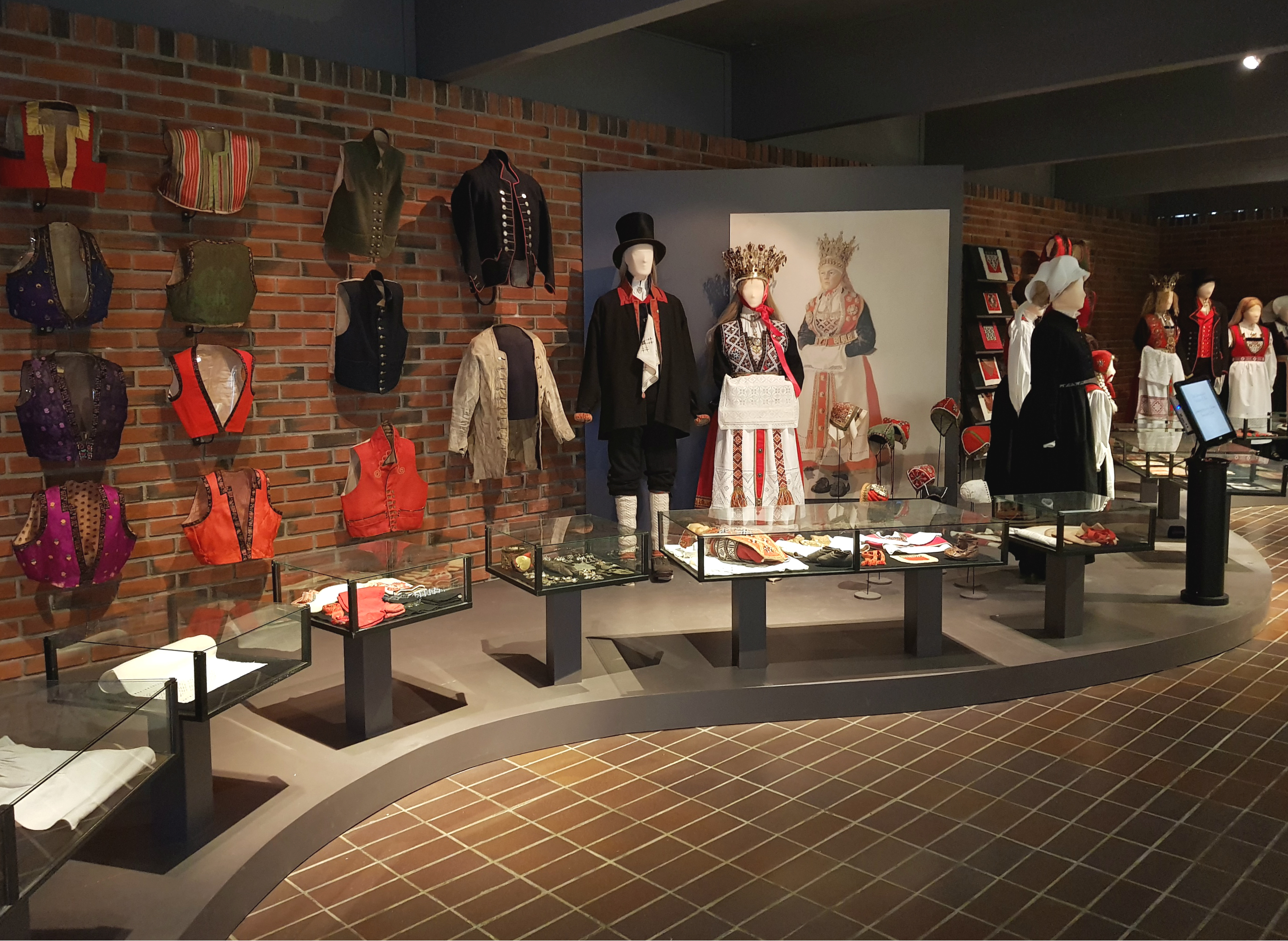
A bunad is a Norwegian folk costume, typically worn at weddings, confirmations and on Norway's National Day on 17 May. There are more than 450 regional variations across the country, each reflecting the traditions of a specific area. The Hardanger bunad is the most widely worn bunad in Norway — so closely associated with Norwegian national identity that it earned the nickname Nasjonalen, meaning "The National". Women across Norway wore it as a symbol of support for Norwegian independence from Sweden in 1905. The costume is characterised by its black wool base, colourful bodice, intricate silver jewellery and white apron decorated with Hardanger embroidery — a form of counted whitework cutwork that is listed on UNESCO's Intangible Cultural Heritage list. Hardanger Folk Museum in Utne has extensive displays of the costume and its many variations, and offers workshops in traditional embroidery techniques.
Jon Fosse is a Norwegian novelist, poet and playwright who was awarded the Nobel Prize in Literature in 2023 — the first writer in Nynorsk, the less common of Norway's two written languages, to receive the prize. He grew up on a farm in Strandebarm in Hardanger, and the fjord, the seasons and the landscape of the region run through his entire body of work. Fosse has described growing up by the sea — by the Hardangerfjord — and the ever-changing colour of the water as a constant presence in his thinking and writing. In Strandebarm you will find the Fosse House, where cultural events are held throughout the year. In Ulvik, Haugesenteret is dedicated to another major literary voice from the region — the poet Olav H. Hauge, who spent his entire life by the fjord.
Hardanger Fartøyvernsenter in Norheimsund is a clear favourite — children can watch craftspeople at work, board historic vessels and take part in activities in the open workshops. Hardanger Folk Museum in Utne runs programmes for children including beadwork and drawing workshops. Kraftmuseet in Tyssedal has interactive exhibitions on Norwegian hydroelectric power and industrial history that engage all ages. Agatunet in Ullensvang offers guided tours of a protected medieval farmstead that give a vivid picture of how people lived and worked along the fjord. Norsk Natursenter in Eidfjord is another good option for families, with interactive exhibitions and panoramic film about Norwegian nature and climate. Folgefonnsenteret in Rosendal has natural history exhibitions about glaciers and fjord life. Most of these venues have a café and are accessible without special equipment.
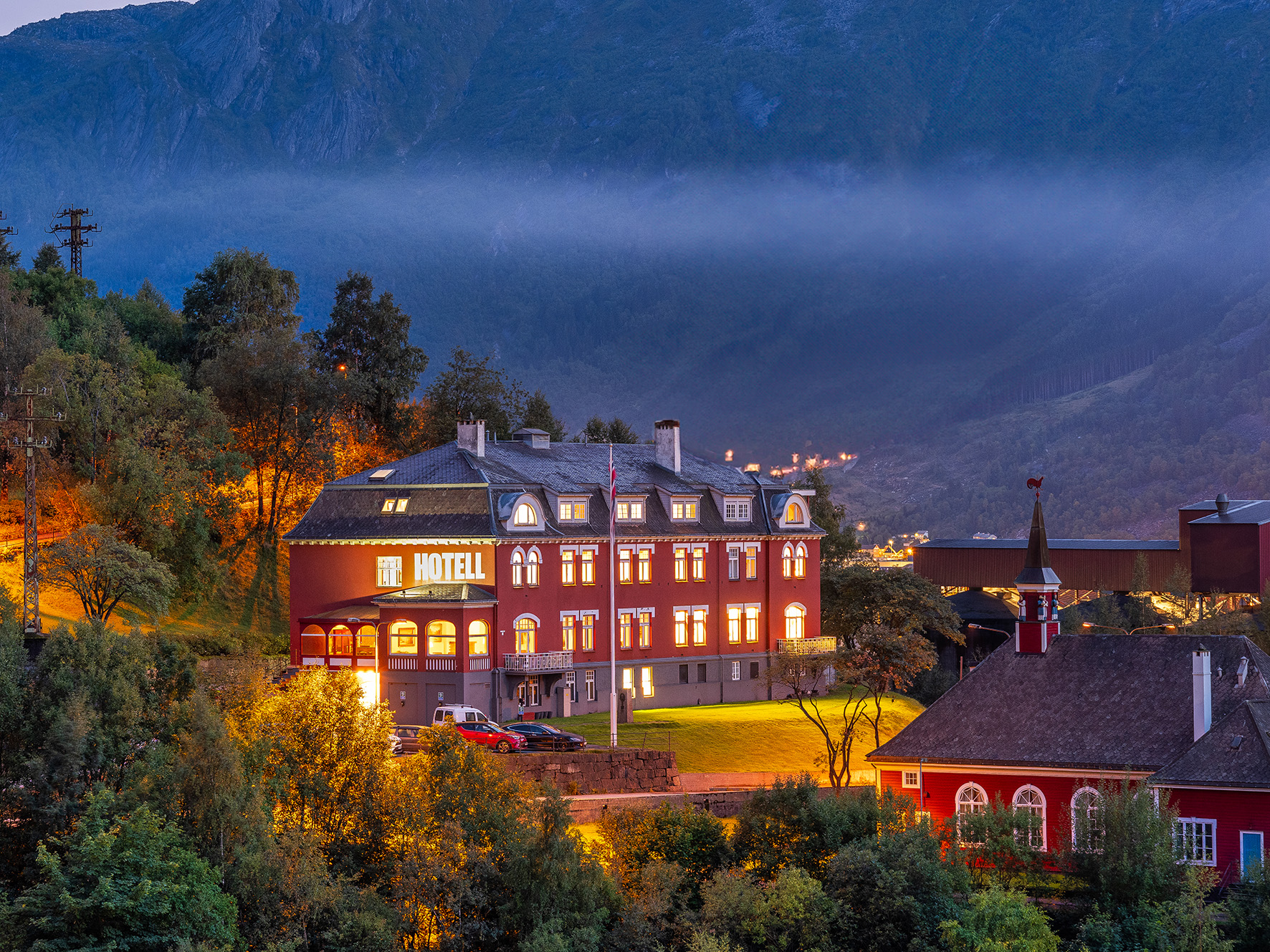
Hardanger has a steady programme of cultural events throughout the year. Hardanger Musikkfest in Lofthus, established in 1996, is one of Norway's finest festivals for classical chamber music and folk music, held each summer with Hotel Ullensvang as its base. Baroniet Rosendal hosts concerts and theatre performances in its courtyard throughout the summer season. Kunsthuset Kabuso in Øystese runs rotating exhibitions and events year-round.
See hardangerfjord.com/en/arrangementer for a full and up-to-date overview of what is happening in the region.
Hardanger Folk Museum in Utne is the starting point — here you will find Norway's largest collection of Hardanger fiddles and a dedicated multimedia room where you can listen to recordings from the museum's extensive folk music archive. Live performances of the Hardanger fiddle take place at several venues across the region during summer, including spontaneous recitals at the folk museum itself. Hardanger Musikkfest in Lofthus combines classical music and folk music in a setting by the fjord each summer. See hardangerfjord.com/en/arrangementer for an updated overview of concerts and folk music events.
Yes. Folgefonnsenteret, Hardanger og Voss Museum, Haugesenteret and Kraftmuseet together run ten museums across the Hardanger and Voss region. Their Summer Pass makes it cheaper to visit more than one — you pay full price at the first museum you visit and half price at the others. The pass is available at any participating museum from 1 May to 31 August, and one pass covers your whole group.